BMW i3 Battery Degradation Fix: Upgrade to 154Ah Now
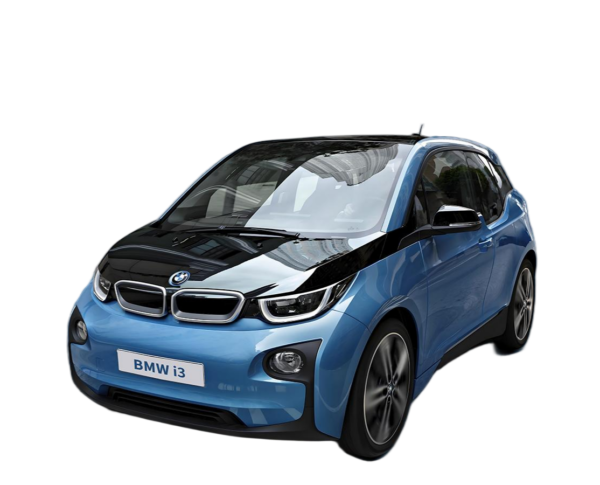
For BMW i3 owners (2013-2022 models), battery degradation is an inevitable reality—one that turns the iconic EV from a reliable commuter into a source of range anxiety. After 8-12 years of use, most i3 batteries (60Ah, 94Ah, 120Ah) lose 30-50% of their original capacity, thanks to internal cell aging, extreme temperature exposure, and repeated fast charging[superscript:1]. While minor degradation can be mitigated with charging habits, severe capacity loss requires a permanent solution. In 2025, the 154Ah (49kWh) battery upgrade has emerged as the gold standard for fixing i3 battery degradation, delivering not just restored capacity but a transformative range boost. This guide explains why upgrading to 154Ah is the best fix for i3 battery degradation, breaks down real-world results, and outlines how to ensure a seamless, reliable upgrade.
Battery degradation in the BMW i3 stems from a mix of internal and external factors[superscript:1]. Internally, aging of正极材料 (cathode materials), 负极材料 (anode materials), and electrolyte breakdown erodes capacity over time—graphite anodes lose structural integrity with repeated lithium ion embedding and脱出 (extraction), while electrolyte decomposition slows energy transfer. Externally, extreme heat (above 55℃) accelerates chemical reactions, cold weather (below 0℃) causes lithium plating, and frequent fast charging or full 0-100% charge cycles worsen cell inconsistency[superscript:1][superscript:7]. For 2013-2016 60Ah models, this degradation is often most severe, with many owners reporting just 40-50 miles of real-world range—far below the original 80-90 miles[superscript:3].
Why 154Ah Is the Ultimate Fix for i3 Battery Degradation
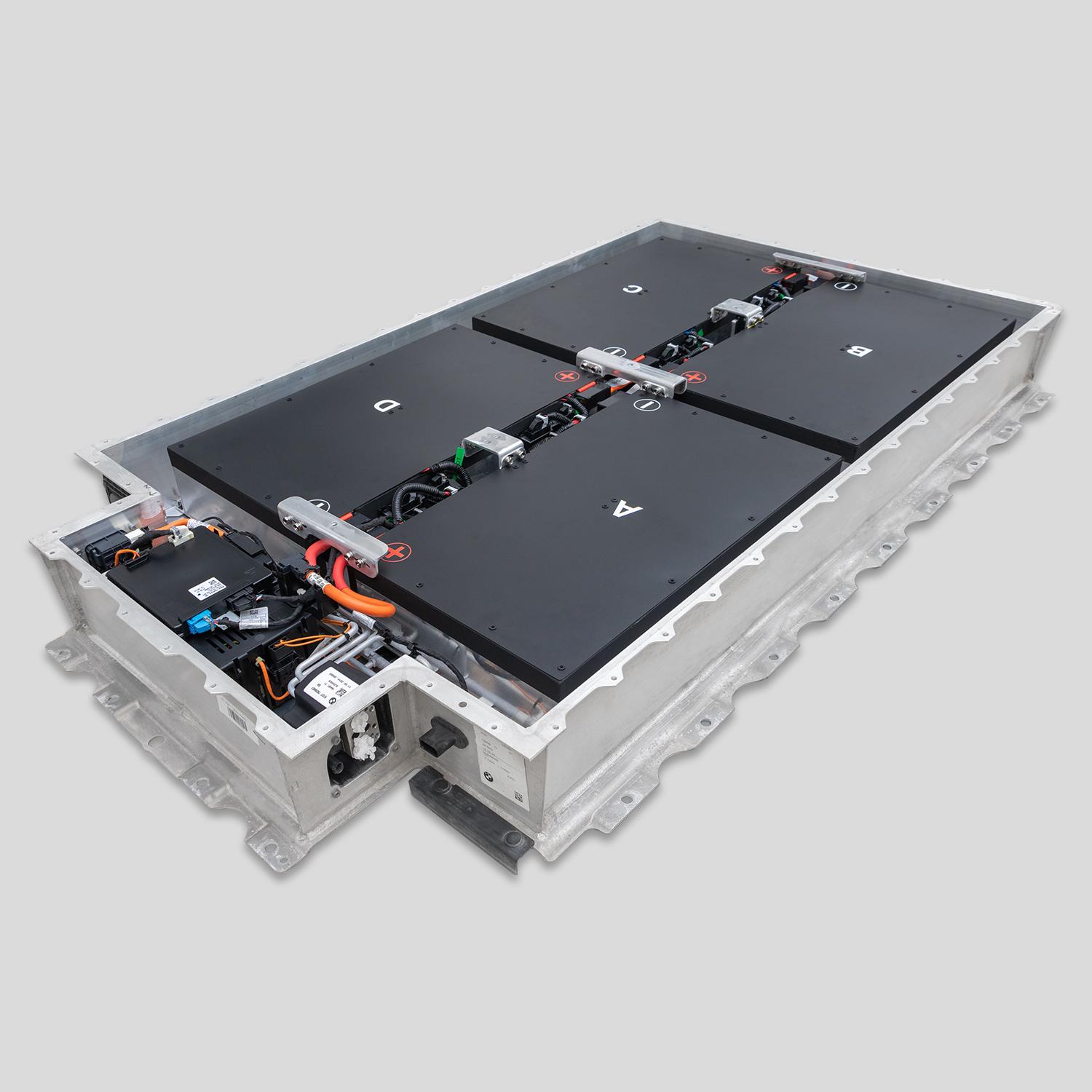
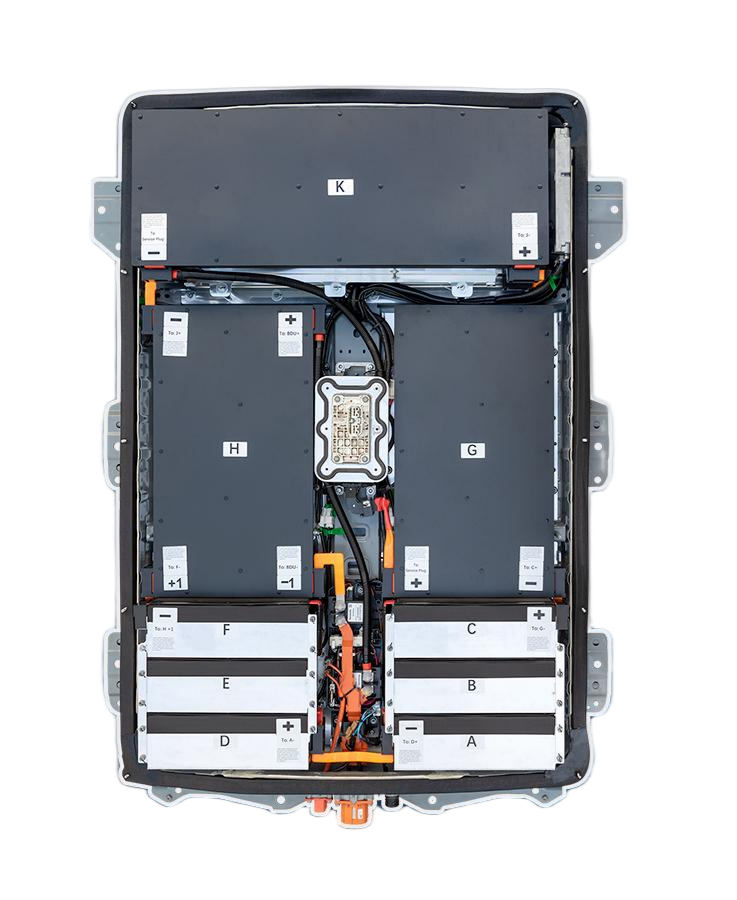
Unlike temporary fixes (like BMS recalibration or charging habit adjustments), the 154Ah upgrade replaces the degraded battery with a high-capacity pack that addresses the root cause of poor performance. What makes it the ideal solution is its compatibility, capacity, and use of OEM-grade components. The 154Ah pack uses CATL prismatic cells—BMW’s original cell supplier[superscript:3][superscript:6]—with higher energy density than older i3 batteries, ensuring it fits the i3’s LifeDrive chassis without modifications[superscript:3].
With 49kWh of usable energy, the 154Ah pack delivers 40-60% more capacity than the 120Ah (42.2kWh) pack and more than doubles the capacity of the 60Ah (22.6kWh) variant[superscript:3]. This means even if the 154Ah pack degrades 20% over 5 years, it still retains more usable capacity than a fully degraded original battery. Additionally, modern 154Ah packs feature improved thermal management and BMS tuning, reducing the rate of degradation compared to older i3 batteries[superscript:1][superscript:3].
Real-World Results: 154Ah Upgrade vs. Degraded Original Batteries
The 154Ah upgrade delivers dramatic improvements for i3s with degraded batteries, as confirmed by real-world testing and owner feedback. For 60Ah i3s (2013-2016) with 40-50% capacity loss, pre-upgrade real-world range often drops to 40-55 miles (city) and 35-45 miles (highway). Post-upgrade, range jumps to 135-145 miles (city) and 110-120 miles (highway)—a 200%+ improvement[superscript:3].
For 94Ah (33.0kWh) models with 30-40% degradation, pre-upgrade range falls to 65-75 miles (city) and 55-65 miles (highway). After upgrading to 154Ah, range increases to 145-155 miles (city) and 120-130 miles (highway)[superscript:3]. Even 120Ah i3s with mild degradation (20-30% loss) benefit: pre-upgrade range of 90-100 miles (city) climbs to 160-170 miles (city) post-upgrade, eliminating range anxiety for long commutes or road trips[superscript:3].
Cold weather performance is another key upgrade. Degraded original batteries struggle in temperatures below 35°F, with range dropping 30-40%. The 154Ah pack’s optimized thermal management reduces this loss to 20-25%, maintaining 120-130 miles of city range in cold conditions[superscript:1][superscript:3].
2025 154Ah Upgrade: Pricing & Value vs. Other Fixes
In 2025, the 154Ah upgrade is more affordable than ever, thanks to plummeting CATL cell costs (down 40% since 2023[superscript:3]). Aftermarket 154Ah packs range from $4,800-$7,000, including BMS calibration and core exchange bonuses ($500-$700 for trading in your degraded battery[superscript:3][superscript:6]). This is far cheaper than BMW’s official upgrade ($22,000-$30,000[superscript:6]) and more cost-effective than temporary fixes or replacing the battery with a used OEM pack (which often has hidden degradation[superscript:6]).
Compared to buying a new EV ($30,000+), the 154Ah upgrade is a budget-friendly way to extend your i3’s life by 5-7 years. A 2016 i3 owner in Texas saved $25,000 by upgrading to 154Ah ($5,500 total) instead of purchasing a new compact EV, while gaining more range than many new entry-level EVs[superscript:3].
Key Steps for a Reliable 154Ah Upgrade (Avoid Degradation Risks)
To ensure your 154Ah upgrade fixes degradation long-term, follow these critical steps. First, choose OEM-grade cells (CATL or Samsung SDI[superscript:3][superscript:6])—generic packs use low-quality cells that degrade quickly (200-300 cycles vs. 1,500+ for OEM-grade[superscript:3]). Second, work with a certified EV shop trained in i3 upgrades, as improper installation or BMS calibration can reduce range by 10-15%[superscript:6].
Third, replace the 12V battery during the upgrade—aging 12V packs cause BMS glitches that mimic battery degradation[superscript:3]. Fourth, adjust charging habits to slow future degradation: use Level 2 charging for daily use, avoid frequent fast charging, and keep the battery between 20-80% SOC when possible[superscript:1][superscript:7].
Common Myths About 154Ah Upgrades & Degradation
Myth 1: The 154Ah upgrade damages the i3’s electrical system. Fact: The pack is designed to match the i3’s voltage and current requirements, using the same BMS technology as BMW’s original batteries[superscript:3]. No major modifications are needed, and the upgrade preserves the i3’s performance and safety features.
Myth 2: Used OEM batteries are a better value. Fact: Used 120Ah/94Ah packs often have 30-40% hidden degradation, meaning you’ll face the same problem in 2-3 years[superscript:6]. The 154Ah upgrade offers new, reliable capacity at a similar price to high-quality used packs.
Myth 3: The 154Ah pack degrades faster than original batteries. Fact: Modern OEM-grade cells and optimized thermal management make the 154Ah pack more durable—most owners report 85%+ capacity retention after 5 years[superscript:3].
Who Should Upgrade to 154Ah?
The 154Ah upgrade is ideal for i3 owners with: Severe battery degradation (30%+ capacity loss), a need for 120+ miles of real-world range, or plans to keep their i3 for 5+ years. It’s especially valuable for 60Ah and 94Ah owners, where the range boost is transformative. Even 120Ah owners with mild degradation benefit from the extra buffer for long trips.
For BMW i3 owners struggling with battery degradation, the 154Ah upgrade isn’t just a fix—it’s a revival. In 2025, it’s more affordable and reliable than ever, delivering a permanent solution to range anxiety while extending the i3’s life for years. By choosing OEM-grade components and certified installation, you can restore your i3’s performance and enjoy the iconic EV’s unique handling without the cost of a new car. If your i3’s battery is showing signs of degradation, upgrading to 154Ah is the smartest investment you can make.