
⚡ How to Set Up a Safe Charging Zone for Newly Swapped Vehicles
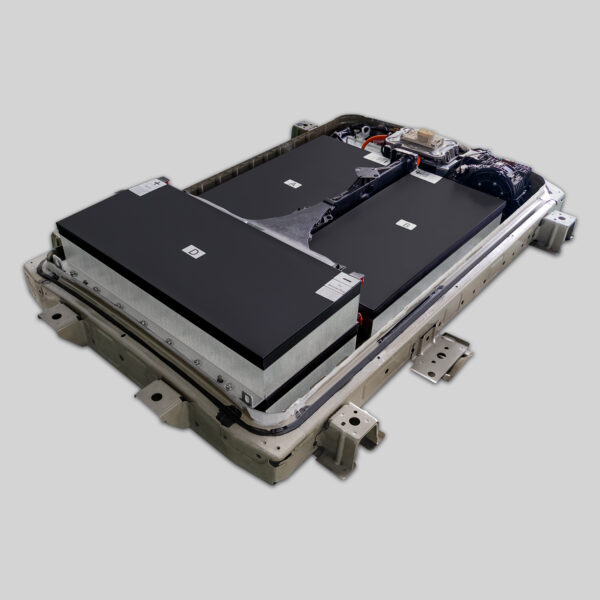
Congratulations! You’ve just upgraded your Nissan Leaf or BMW i3 with a brand-new CNS Battery pack. Whether you tackled the DIY installation yourself or had a professional handle the swap, you’re likely eager to hit the road with your extended range.
However, before you plug in that shiny new battery for the first time, it is crucial to pause and establish a safe charging zone. A proper charging setup isn’t just about convenience; it is the first line of defense for maximizing your battery’s lifespan and ensuring the safety of your home or garage.
As experts in Nissan and BMW EV battery replacements, we at CNS Battery have compiled this essential guide to help you set up the perfect charging environment.
🛠️ Phase 1: The Pre-Charging Inspection
Before connecting the power, take a moment to inspect the physical environment around your vehicle.
1. The “Three-Foot Rule” for Ventilation
Lithium-ion batteries generate heat during charging. While CNS batteries are engineered with advanced thermal management systems, proper airflow is still vital.
- Clear the Clutter: Ensure there is at least a 3-foot (1-meter) clearance around the charging port and the front grille of the vehicle.
- Avoid Confined Spaces: Never charge in a completely sealed, airtight room. Fresh air circulation prevents the buildup of any potential gases (though rare with modern sealed batteries).
2. Check the Charging Port and Cable
- Visual Check: Inspect the vehicle’s charging port (J1772 or CCS) for debris, moisture, or damage.
- Cable Integrity: Examine your charging cable for fraying or exposed wires. A damaged cable is a fire hazard and can damage your new Battery Management System (BMS).
3. Grounding and Electrical Safety
Ensure your charging station (EVSE) is properly grounded. If you are using a standard 120V household outlet (Level 1), verify that the circuit breaker is in good condition and not overloaded with other high-wattage appliances.
⚡ Phase 2: The First Charge Protocol
You have a brand-new battery installed. The first charge is like the “break-in” period for your vehicle’s powertrain.
📶 BMS Synchronization
After a battery swap, the vehicle’s computer needs to communicate with the new Battery Management System (BMS).
- Initial Connection: Plug in the charger immediately after installation.
- The “Wake-Up” Call: The initial charge allows the BMS to calibrate and sync with the car’s dashboard. You may see the dashboard lights cycle or hear relays click—that is normal!
🔋 Charging to 100% (The “Top-Off”)
While modern lithium batteries don’t have a “memory effect,” charging to 100% on the first cycle helps the dashboard accurately calculate your new, longer range.
- Full Cycle: We recommend completing a full charge cycle (0% to 100%) on your first session. This allows the vehicle to learn the new battery’s capacity (e.g., upgrading from 40kWh to 62kWh).
- Avoid Interruptions: Do not unplug the charger prematurely during this first cycle.
🏠 Phase 3: Creating Your Long-Term Charging Habits
Now that your vehicle is charged and ready, let’s talk about maintaining that “like-new” performance for years to come.
🌡️ Temperature Management
Extreme temperatures are the enemy of lithium-ion longevity.
- Cold Weather Charging: If you live in a colder climate (like parts of Europe or North America), try to charge in a garage. If charging outside, plug in immediately after driving while the battery is still warm.
- Heat Management: Avoid leaving your vehicle in direct, scorching sunlight immediately after a fast charge, as this can cause thermal stress.
🔌 Choosing the Right Speed
- Level 1 & 2 (AC) for Daily Use: Use standard home charging (AC) for everyday use. It is gentler on the battery cells.
- DC Fast Charging (CCS/CHAdeMO): Reserve DC fast charging for long road trips. While CNS batteries support fast charging, frequent high-speed charging can increase wear over time.
🛡️ Why CNS Battery is the Smart Choice for Your Swap
Setting up a safe charging zone is only half the battle. The other half is ensuring you have a reliable, high-quality battery installed in the first place.
At CNS Battery, we specialize in OEM-compatible replacements for Nissan Leaf (ZE0, AZE0, ZE1) and BMW i3 models. Here is why our batteries are the perfect foundation for your safe charging setup:
| Feature | CNS Battery Advantage |
|---|---|
| Core Technology | Brand-New CATL Cells: Unlike refurbished or recycled cells, we use fresh, premium-grade cells for maximum stability and safety. |
| Warranty | 2-Year / 80,000km Coverage: One of the longest warranties in the industry, covering manufacturing defects and capacity degradation. |
| Compatibility | Plug-and-Play: Engineered to match OEM specifications, ensuring seamless communication with your vehicle’s charging system. |
| Cost Efficiency | 50% Savings: Enjoy the performance of a new factory battery at half the price of the original manufacturer. |
Expert Tip: If you are upgrading from an older battery (e.g., 24kWh to 62kWh), your dashboard range might display incorrectly initially. After 2-3 full charge cycles, the system will recalibrate to reflect your new long-range capabilities.
❓ Frequently Asked Questions (FAQ)
Q1: Can I use my old charging cable with the new CNS battery?
A: Yes, absolutely. CNS batteries are designed to meet OEM standards. Your existing J1772 (for Level 1/2) or CCS/CHAdeMO (for DC Fast Charging) cables will connect and function perfectly without any modifications.
Q2: My dashboard shows an error after the first charge. What should I do?
A: First, double-check all physical connections under the hood to ensure the BMS wiring harness is securely plugged in. If the error persists, contact our technical support team. Our experts offer remote video guidance to help troubleshoot BMS programming issues, often resolving them in minutes.
Q3: How often should I charge the battery if the car is stored for a long time?
A: If you plan to store your vehicle for over a month, we recommend charging the battery to approximately 50%-60% and storing it in a cool, dry place. Avoid storing it at 0% or 100% capacity, as this can stress the cells.
Q4: Do I need special insurance after swapping the battery?
A: Since CNS batteries are OEM-compatible and do not require modifications to the vehicle VIN or registration in most regions, standard insurance typically applies. However, we always recommend informing your insurance provider about the replacement for full disclosure.
Ready to upgrade your ride with a reliable, long-range battery?
Don’t let battery degradation limit your adventures. Whether you drive a Nissan Leaf or a BMW i3, CNS Battery offers the perfect solution to get you back on the road with confidence.
👉 Get a Free Custom Quote Today and Experience the CNS Difference:
Contact Our Technical Experts Now


