
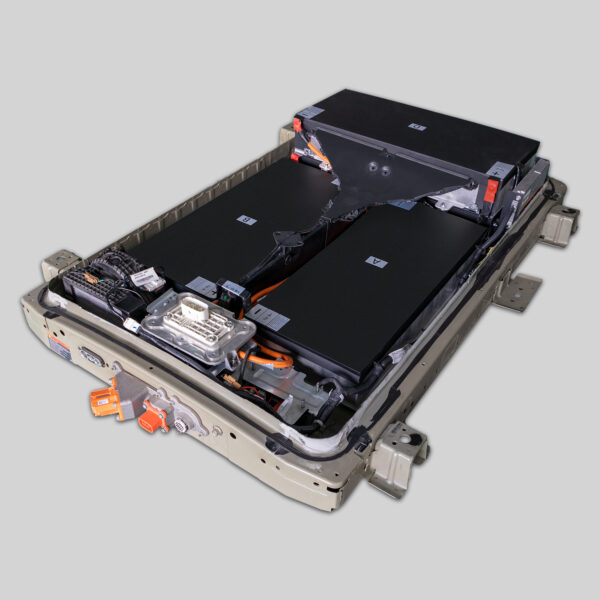
How to Select an Extended Warranty Nissan EV Lithium Battery for Repair Shops
If you run an electric vehicle (EV) repair shop, you know the drill. A customer walks in with a Nissan Leaf or e-NV200, and the diagnosis is grim: the battery is dead. The conversation that follows is often the most difficult part of the job. You have to explain to the customer that replacing the battery with an OEM (Original Equipment Manufacturer) part could cost upwards of $16,000—a price tag that often makes buying a new car seem like a better option. As a repair shop owner, your reputation and your bottom line depend on finding a solution that is reliable, affordable, and backed by a warranty you can trust.
This is where the decision-making process becomes critical. Selecting the right aftermarket battery isn’t just about finding the cheapest option; it is about finding a partner that offers extended warranty protection and technical support. In this comprehensive guide, we will walk you through the exact criteria repair shops should use to select a high-performance, extended-warranty Nissan EV lithium battery.
The Hidden Costs of Cheap Battery Replacements
Before we dive into the selection process, let’s address the elephant in the room: the risks of choosing the wrong battery.
Many repair shops, desperate to offer a low price to their customers, turn to recycled, refurbished, or low-quality “grey market” batteries. On the surface, these batteries seem like a financial win. However, the hidden costs quickly add up:
- High Failure Rates: Refurbished cells often suffer from internal imbalances, leading to swelling, rapid capacity loss, or complete thermal failure within months.
- Voided Shop Liability: When a cheap battery fails, the customer comes back to you, the installer, not the anonymous seller on the internet.
- Reputation Damage: A single battery failure can destroy years of built-up trust with a customer.
For a repair shop, the only viable strategy is to source brand-new, high-quality lithium cells paired with a robust, extended warranty.
Step 1: Verify the Cell Chemistry and Source
The foundation of any good EV battery is the cell chemistry. For Nissan applications, the gold standard is Lithium Iron Phosphate (LFP) or high-quality NMC (Nickel Manganese Cobalt) cells from tier-1 manufacturers.
When evaluating a supplier, you must ask: “Where do your cells come from?”
Avoid suppliers who cannot name their cell manufacturer. At CNS BATTERY, we use brand-new cells sourced directly from CATL, the world’s largest lithium battery manufacturer. This is not a gamble; it is a guarantee of performance. CATL cells offer superior thermal stability, longer cycle life, and higher energy density compared to generic cells.
For repair shops, using cells from a known, reputable manufacturer like CATL provides the technical foundation needed to confidently offer an extended warranty to your customers.
Step 2: Understanding the “Extended Warranty” Promise
This is the most crucial section for your business. An “extended warranty” is only as good as the company backing it.
Many aftermarket suppliers offer a standard 1-year warranty, which is insufficient for the EV market. Customers want to know their investment is safe for the long term, and shops need to protect themselves from comebacks.
What to look for in an Extended Warranty:
- Duration: Look for suppliers offering a minimum of 2 years.
- Mileage: A mileage cap demonstrates confidence in the battery’s durability. A cap of 80,000 km (approx. 50,000 miles) is a strong industry benchmark.
- Coverage: The warranty should explicitly cover defects in materials and workmanship, as well as performance degradation (e.g., maintaining at least 70% capacity).
CNS BATTERY stands out in the market by offering a 2-year / 80,000 km warranty on our Nissan EV battery solutions. This extended coverage is designed specifically for repair shops like yours. It allows you to sell the battery replacement with confidence, knowing that if a rare manufacturing defect occurs, you have a backup.
Step 3: Technical Support and Compatibility
A battery is only as good as its fitment. Nissan Leafs (especially the ZE0, AZE0, and ZE1 variants) and e-NV200s have specific voltage requirements, communication protocols, and physical dimensions.
As a shop owner, you cannot afford to have a battery arrive that doesn’t plug and play. Here is how to vet a supplier’s technical compatibility:
- VIN Verification: A professional supplier will offer a pre-sale VIN compatibility check. This ensures the Battery Management System (BMS) is programmed correctly for the specific model year of the vehicle.
- Plug-and-Play Design: The battery should utilize OEM-style connectors. If a battery requires hacking wires or complex modifications, it is not a professional-grade product.
- BMS Programming: The BMS is the brain of the battery. Ensure the supplier provides clear instructions or remote support for BMS initialization.
CNS BATTERY provides comprehensive technical support for repair shops. We offer remote video guidance for BMS programming and installation, ensuring your technicians can complete the job efficiently and without errors.
Step 4: The Business Case – Profit Margins and Value
Let’s talk about the financial incentive. The primary reason customers hesitate to replace their Nissan batteries is the OEM price.
By offering a CNS BATTERY solution, you provide a product that performs identically to the OEM standard but at roughly 50% of the cost.
| Feature | OEM Nissan Battery | Typical Refurbished | CNS BATTERY (New Cells) |
|---|---|---|---|
| Cell Quality | Brand New (AESC/CATL) | Used/Recycled (Aged) | Brand New (CATL) |
| Price Point | $12,000 – $16,000 | $3,000 – $5,000 | $6,000 – $8,500 |
| Warranty | 8 years (prorated) | 6 Months – 1 Year | 2 Years / 80,000 km |
| Risk to Shop | Low (but hard to sell) | High (Failure likely) | Low (Certified Quality) |
This pricing sweet spot allows you to maintain a healthy profit margin while offering the customer a life-saving deal. You are not just selling a battery; you are selling the customer’s ability to keep their car on the road.
Step 5: Logistics and Supply Chain Reliability
For a repair shop, time is money. If you book a car in for a battery swap and the battery doesn’t arrive on time, you lose the customer’s trust and pay your technician for idle time.
When selecting a supplier for extended warranty batteries, investigate their supply chain:
- Stock Availability: Does the supplier keep stock, or is it made-to-order?
- Shipping Options: Do they offer DDP (Delivered Duty Paid) services to avoid customs delays?
- Packaging: Lithium batteries are dangerous goods. The packaging must be robust (often in fumigation-free wooden crates) to survive international shipping.
CNS BATTERY operates from a high-tech development zone in Zhengzhou, China, and maintains a robust logistics network to ship directly to repair shops worldwide. While sea freight takes 4-8 weeks, we offer expedited services for urgent shop needs.
Conclusion: Building Trust Through Quality and Warranty
Selecting an extended warranty Nissan EV lithium battery is not a commodity purchase. It is a strategic decision for your repair shop’s reputation.
By choosing a supplier like CNS BATTERY, you gain access to:
- Tier-1 Components: Brand new CATL cells ensuring longevity.
- Extended Protection: A 2-year / 80,000 km warranty that protects your shop and your customer.
- Technical Partnership: Remote support and VIN-specific programming.
Don’t let your customers scrap their Leafs or e-NV200s. Offer them a professional, warrantied solution that brings their car back to life.
Ready to offer your customers the best value in EV battery replacements? Contact CNS BATTERY today for a wholesale quote and technical specifications.
Frequently Asked Questions (FAQ)
1. What models of Nissan vehicles are compatible with your extended warranty batteries?
Our batteries are designed specifically for the Nissan Leaf series (including ZE0, AZE0, and ZE1 models) and the Nissan e-NV200. We also offer solutions for the Nissan Ariya and Pathfinder upon customization. We provide a free VIN compatibility check to ensure the battery matches your specific vehicle’s year and trim.
2. What does the 2-year / 80,000 km warranty cover?
Our extended warranty covers defects in materials and workmanship. This includes issues such as cell swelling, BMS failure, or harness defects. It also covers performance degradation, guaranteeing that the battery will maintain a minimum capacity (typically 70% or higher) throughout the warranty period. Normal wear and tear and damage caused by improper installation are not covered.
3. How do you handle warranty claims for international repair shops?
We have a streamlined process for international partners. If a warranty issue arises, our technical team will first attempt to diagnose the issue remotely. If the battery is confirmed to be faulty, we will ship a replacement unit directly to your shop. We handle the logistics and customs documentation to ensure a hassle-free replacement for you and your customer.
4. Can I install a CNS BATTERY unit myself, or do I need special tools?
Our batteries are designed for professional installation but follow a plug-and-play principle. You will need standard automotive tools (wrenches, screwdrivers). We provide a comprehensive installation kit that includes insulated gloves and terminal cleaner. We also offer detailed video tutorials and remote video guidance for the BMS programming step to ensure a successful installation.
5. What is the difference between your battery and a refurbished OEM battery?
The core difference is the cell quality. Refurbished OEM batteries use old cells that have already degraded, which means they have a short remaining lifespan and a high risk of failure. Our batteries use brand-new CATL cells, which are premium-grade and offer a longer cycle life, better thermal management, and higher safety standards than even the original Nissan batteries in many cases.


