🍃 How to Save 50% on Your Nissan Leaf Battery Swap in the USA
If you own a Nissan Leaf in the USA, you know the feeling. One day, you realize your car’s range has dropped from a comfortable 100 miles to barely enough to get you to the grocery store and back. The battery is dead. You rush to the dealership or call a local mechanic, and the quote comes back: $10,000, $12,000, or even $16,000. It feels like a punch in the gut. For many, this price tag is the death knell for their electric vehicle, forcing them into buying a new car they didn’t plan for.
But what if you didn’t have to pay the dealer price? What if you could get a brand-new, high-quality battery for half the cost? As a battery expert, I have seen this scenario play out thousands of times. The good news is that there is a smarter, cheaper way. You can save over 50% on your Nissan Leaf battery replacement without sacrificing quality or safety. This guide will show you exactly how to do it, step by step.
💸 The Hidden Math: Why You’re Paying Too Much
Before we dive into the solution, let’s understand why the price is so high. When you go to a dealership, you aren’t just paying for a battery. You are paying for the car brand’s massive overhead, the “new car” markup, and the logistics of a global supply chain. You are paying for the logo, not just the lithium.
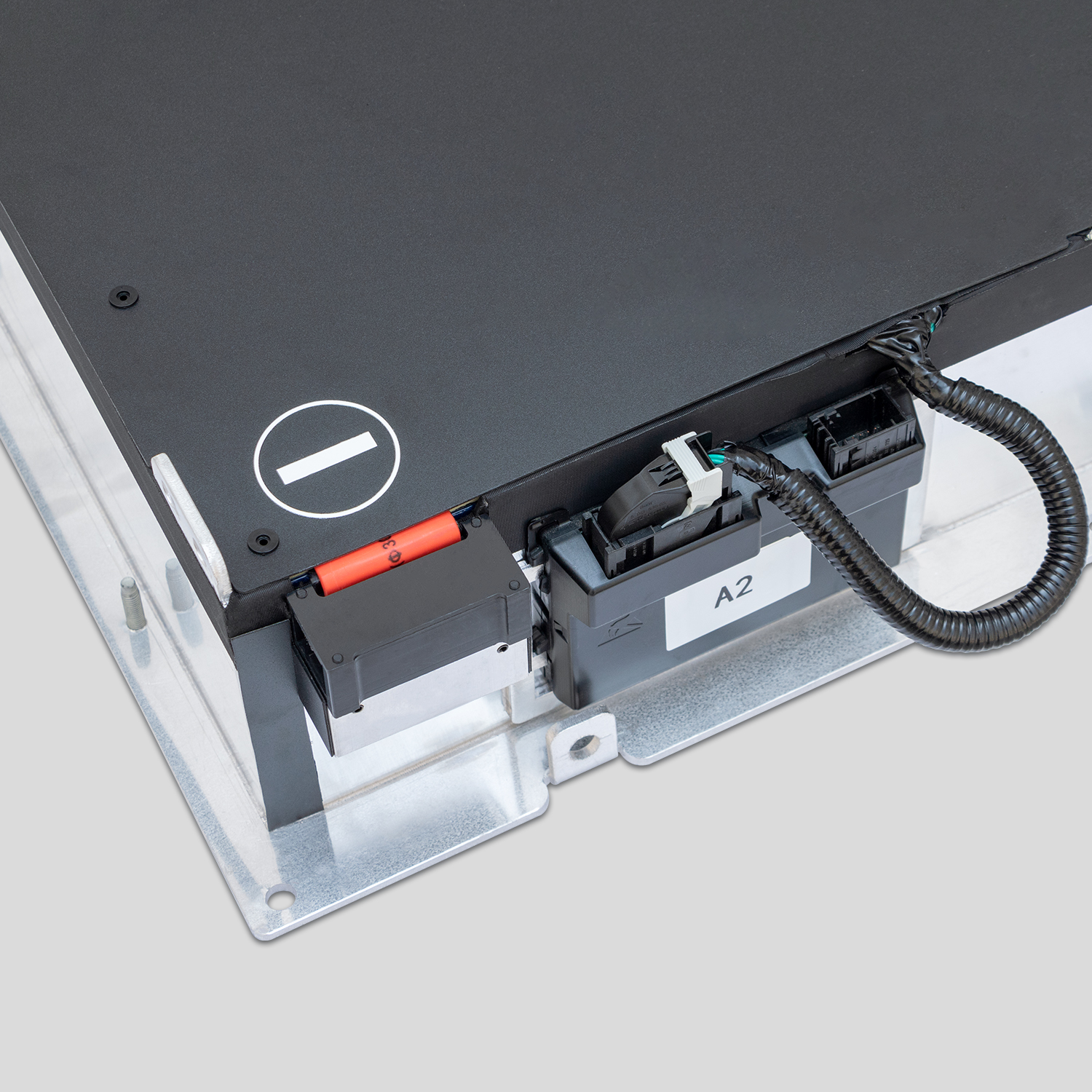
However, the aftermarket has caught up. Companies like CNS BATTERY have spent over a decade reverse-engineering these systems. We build batteries that meet the exact Original Equipment Manufacturer (OEM) standards but without the massive brand markup. This allows us to pass the savings directly to you.
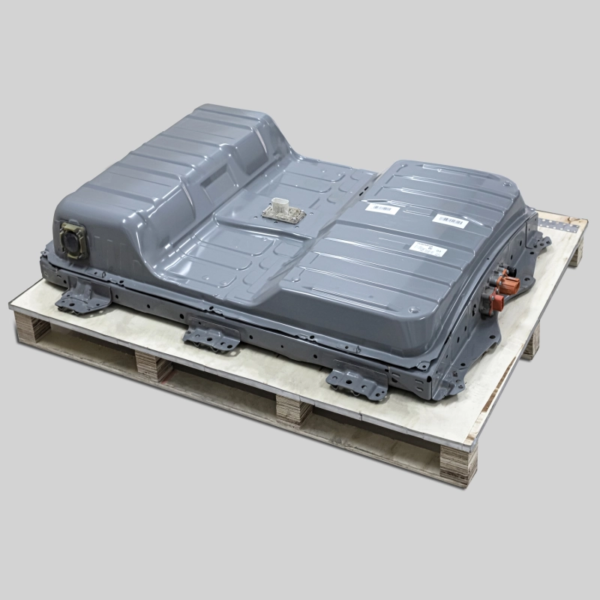
The result? A brand-new 62kWh battery that costs $16,000 at the dealership costs roughly $7,800 to $8,200 with us. That is a saving of more than 50%.
🚗 The Solution: OEM-Compatible Aftermarket Batteries
The key to saving money is switching from a “Dealership Replacement” to an “OEM-Compatible Aftermarket” battery.
Many people worry that “aftermarket” means “cheap” or “unsafe.” This is a myth when dealing with reputable manufacturers. Our batteries are not made from recycled trash. We use brand-new, top-tier CATL (Contemporary Amperex Technology Co. Limited) cells. CATL is the same Chinese manufacturer that supplies cells to Tesla, BMW, and Volkswagen. If the cells are good enough for a Tesla, they are good enough for your Leaf.
📊 Cost Comparison: Dealership vs. Smart Upgrade
| Feature | Dealership “New” Battery | Refurbished “Cheap” Battery | CNS BATTERY (OEM Compatible) |
|---|---|---|---|
| Price Range | $12,000 – $16,000 | $3,000 – $5,000 | $7,800 – $8,500 |
| Cell Quality | New OEM Cells | Old, Degraded Cells | Brand New CATL Cells |
| Warranty | 1 Year / 60,000 Miles | Often None | 2 Years / 80,000 Miles |
| Risk | High Cost | High Risk of Swelling/Failure | Low Risk, High Reliability |
| Savings vs. Dealer | $0 | Looks Good, But Dangerous | Save 50%+ |
Note: Prices are estimates based on 2026 US market data for a 62kWh Leaf.
🛠️ Step-by-Step Guide to Your 50% Savings
Saving money isn’t just about buying a different product; it is about following the right process. Here is how to execute your swap safely.
1. The VIN Check (Do Not Skip This)
You cannot just buy any battery off the shelf. Nissan changed the connectors and Battery Management Systems (BMS) between different Leaf models (ZE0, ZE1, AZE0). Buying the wrong one means your car won’t start.
Before you order anything, contact a technical expert and provide your Vehicle Identification Number (VIN). This ensures the physical plugs and the software programming match your specific car. At CNS, this check is free and prevents costly mistakes.
2. Choose New Cells, Not Refurbished
This is the most critical decision. You might see ads for “$3,000 Leaf batteries.” These are almost always refurbished. This means they took an old, swollen battery, pulled out the bad cells, and jammed in whatever cheap cells they could find.
Why this is bad: Refurbished batteries often lack proper Battery Management Systems (BMS). They overheat, swell, and fail within 6 months. You end up paying twice.
The smart choice: Pay a bit more for a pack built with brand-new CATL cells. It costs more than a refurb, but it lasts just as long as the dealer battery for half the price.
3. Installation: DIY vs. Mechanic
Once you have the battery, you have two choices.
- The Mechanic Route: If you have the budget, a professional takes about 1-2 hours. This is the safest option for warranty purposes.
- The DIY Route: If you are handy, you can save another $800-$1000 on labor. The process is “plug-and-play,” meaning you don’t need to cut wires. However, the tricky part is the BMS programming. You must match the new battery’s software to your car. If you attempt this yourself, make sure your supplier offers free remote video guidance to walk you through the programming step. Many owners successfully do this in their garage with a friend’s help.
📜 Why the 2-Year Warranty Matters
When you buy a battery, you are buying a promise. A warranty is the manufacturer’s way of saying, “We trust this product.”
Many cheap battery makers offer no warranty or a “30-day satisfaction guarantee.” That is not a warranty; that is a return policy.
CNS BATTERY offers a 2-year / 80,000 km warranty. This is actually longer than the warranty Nissan offers on some replacement parts. This warranty covers:
- Manufacturing defects.
- Cell swelling.
- Performance degradation (ensuring you keep at least 70% capacity).
If anything goes wrong, we provide free replacements or repairs. This peace of mind is why saving 50% doesn’t mean risking your car’s safety.
🗣️ Real Stories: What Owners Saved
Don’t just take my word for it. Here are real examples from Leaf owners in the USA who followed this advice:
Mark T. (California): “The original battery replacement quote was $16,000. I chose a 62kWh CNS battery for $7,800. The range went from 120km back to 430km. It has been a year, and the battery is still at 11 out of 12 bars.”
Tom H. (Texas): “I installed it myself using the video guide. It took 2 hours. I saved nearly $9,000 compared to the dealer price. Even if you are not technical, the customer support guided me through the programming.”
📝 Conclusion: Revive Your Leaf, Save Your Wallet
Facing a dead Nissan Leaf battery doesn’t mean you have to go broke. By choosing an OEM-compatible, brand-new cell pack from a reputable aftermarket manufacturer, you can cut your costs in half.
Remember the formula:
- Verify Compatibility with your VIN.
- Demand New Cells (specifically CATL or similar Tier-1 brands).
- Ensure a Long Warranty (at least 2 years).
Your Leaf is a great car; it just needs a new heart. You don’t need to buy a new car, and you don’t need to risk a dangerous refurbished battery. You just need the right information.
Ready to get your Leaf back on the road for 50% less?
👉 Get Your Free Custom Quote Now
❓ Frequently Asked Questions (FAQ)
1. Is it legal to install an aftermarket battery in my Nissan Leaf in the USA?
Yes, it is completely legal. The Magnuson-Moss Warranty Act protects your right to use aftermarket parts without voiding your vehicle’s warranty, provided the aftermarket part did not cause the damage. However, always get a VIN compatibility check to ensure the battery meets your local state regulations regarding voltage and connectors.
2. How much does it cost to ship a battery to the USA?
CNS BATTERY offers DDP (Delivered Duty Paid) shipping. This means we handle all the customs duties, taxes, and fees. You pay one price, and the battery arrives at your door. Because lithium batteries are classified as dangerous goods (UN 3480), we use specialized carriers like DHL or FedEx to ensure safe delivery.
3. Can I install this battery myself?
Technically, yes, but it requires caution. The physical installation is plug-and-play, but the software programming (BMS) is critical. If done incorrectly, the car won’t recognize the battery. We strongly recommend having a mechanic do it, or if you DIY, ensure you have access to free remote video support from the manufacturer to guide you through the programming.
4. What is the lifespan of a new aftermarket battery?
A brand-new lithium-ion battery from a reputable supplier (using CATL cells) should last 8-10 years under normal driving conditions, similar to the original factory battery. We guarantee our batteries maintain at least 70% capacity over our 2-year warranty period.
5. How long does the installation take?
For a professional mechanic, the installation typically takes 1 to 2 hours. This includes removing the old battery, installing the new one, and running the diagnostic tests. For a DIY user with tools, expect the process to take 2-3 hours, mainly due to the learning curve of the software setup.
Contact Us
- Business Cooperation: info@cnsbattery.com
- Marketing Manager: amy@cnsbattery.com
- Working Hours: Monday-Friday 9:00 AM – 6:00 PM (China Time)