How to Reprogram the LBC (Lithium-ion Battery Controller) for Upgrades
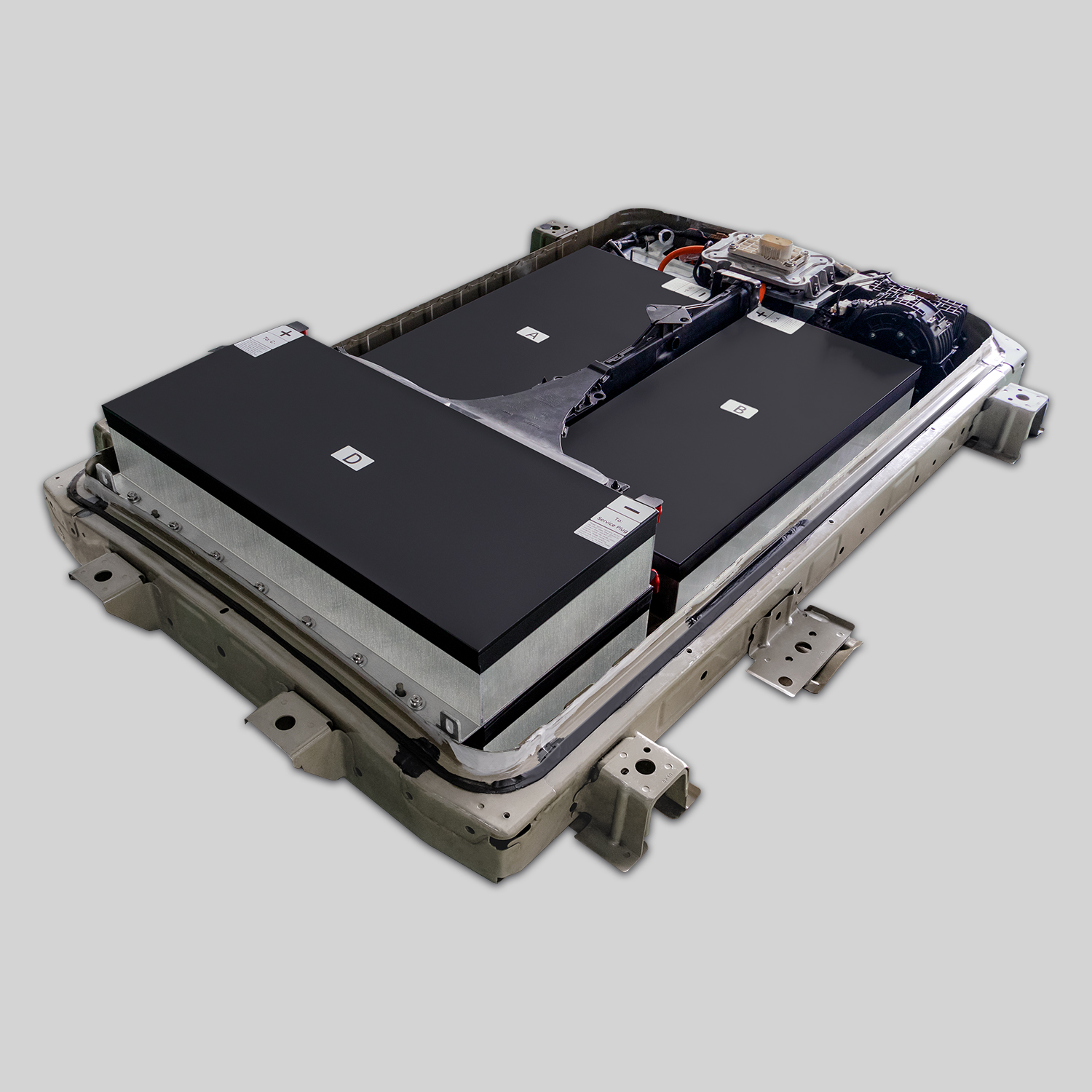
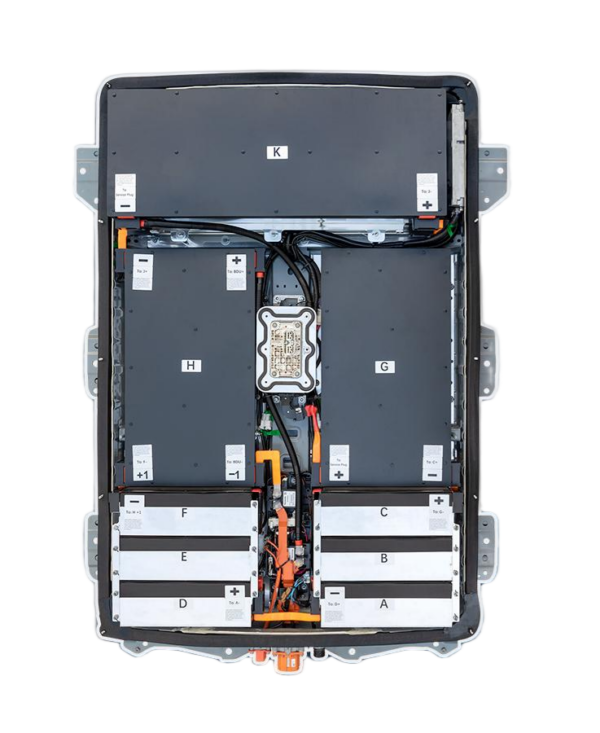
Upgrading your electric vehicle’s battery pack is one of the most effective ways to breathe new life into your daily commute. Whether you drive a Nissan Leaf or a BMW i3, increasing your battery capacity—such as moving from a 40kWh to a 62kWh pack—can drastically extend your driving range. However, simply swapping the hardware is only half the battle. To ensure your vehicle recognizes the new battery and operates safely, you must successfully reprogram the LBC (Lithium-ion Battery Controller).
As a leading manufacturer of OEM-compatible EV batteries, CNS BATTERY understands that the transition to a new battery can seem daunting. This guide is designed to demystify the LBC reprogramming process, providing you with the confidence to upgrade your Nissan or BMW powertrain.
🤖 What is the LBC and Why Does it Need Reprogramming?
The LBC, or Lithium-ion Battery Controller, acts as the “brain” of your battery pack. It manages the Battery Management System (BMS), monitoring cell voltage, temperature, and state of charge (SOC).
When you upgrade your battery, the factory settings in the LBC may not match your new hardware. For instance:
- Capacity Mismatch: The car expects 24 kWh but receives data for 62 kWh.
- Communication Errors: The vehicle might display “CHARGING” but not accept a charge, or show a “RED BRAKE” light.
- Safety Protocols: Without correct calibration, the car may restrict power to prevent damage.
Reprogramming the LBC updates the firmware so that the vehicle and battery speak the same language, ensuring zero-fault performance and full utilization of your upgraded capacity.
🛠️ Preparing for the Reprogramming Process
Before you begin the software update, it is crucial to ensure the physical installation is correct. At CNS BATTERY, we design our packs to be plug-and-play, minimizing the need for hardware modifications.
What You Need:
- The Correct Hardware: Ensure you have a compatible CNS battery pack (e.g., 40kWh, 50kWh, or 62kWh).
- Diagnostic Tool: You will need an OBD2 scanner capable of communicating with Nissan or BMW EV protocols (such as a Consult-III+ or compatible aftermarket tool).
- Stable Connection: Ensure the 12V auxiliary battery is fully charged to prevent interruptions during the flash process.
Safety First:
Warning: Lithium-ion batteries are high-voltage systems. Always disconnect the vehicle power and wear appropriate insulated protective gear before handling cables. If you are not experienced with automotive electronics, we strongly recommend using a certified technician.
📋 Step-by-Step Guide: Reprogramming the LBC for Nissan & BMW
While the specific software interface differs between manufacturers, the core logic remains the same. Below is a generalized flow based on industry-standard procedures for Nissan Leaf and BMW i3 upgrades.
1. Physical Installation & Verification
First, install your new CNS battery pack. Thanks to our OEM-standard design, the connectors should match the original vehicle harness perfectly.
- Connect the high-voltage (HV) cables.
- Connect the signal/communication cables.
- Do not close the service plug yet. Perform a visual inspection to ensure no tools are left inside and all connections are secure.
2. Initial Power-Up and Diagnostics
Reconnect the 12V battery and turn the ignition to “ON” (do not start the car).
- Use your diagnostic scanner to check for any immediate fault codes.
- Verify that the scanner can communicate with the existing LBC. If communication fails, check the signal cable connections.
3. Entering Programming Mode
This step requires specific manufacturer software (e.g., Nissan Consult or BMW ISTA).
- Connect your laptop to the OBD2 port.
- Open the diagnostic software and navigate to the “Body Control” or “Powertrain” section.
- Select the “ECU Reprogramming” or “Replacement Parts Registration” function.
4. Writing New Parameters
Here is where you input the specifications of your new CNS battery:
- Select Component: Choose “Battery Pack” or “LBC.”
- Input New VIN/ID: Some systems require writing a new identification code that corresponds to the new battery’s capacity.
- Calibrate Capacity: Update the kWh rating (e.g., change from 24kWh to 62kWh).
- Reset SOC: The software will prompt you to reset the State of Charge to 100% to align with the new hardware.
5. Final Verification
After the programming sequence is complete (usually taking 5-10 minutes), the vehicle will reboot.
- Clear any temporary fault codes.
- Perform a “Key-Off” and restart the vehicle.
- Check the dashboard: The battery gauge should now reflect the full bars of your new capacity, and the “CHARGING” indicator should function normally.
💡 Expert Tips for a Smooth Upgrade
While the steps above outline the standard procedure, real-world experience shows that a few nuances can save you hours of frustration.
1. The “Plug-and-Play” Advantage
Many of our customers upgrading to CNS batteries report that the process is simpler than expected. Because we utilize brand-new CATL cells and adhere strictly to OEM voltage standards, the physical connection is often seamless. In many cases, the primary reason for reprogramming is to update the capacity meter, not to force compatibility.
2. Video Call Support
Reprogramming software can be complex, and menus vary. If you encounter an error code during the flash process, do not force the update. At CNS, we offer real-time video guidance. Our technical experts can walk you through the software interface via Zoom or WhatsApp, ensuring you select the correct parameters for your specific Leaf (ZE0, ZE1, AZE0) or BMW model.
3. Post-Installation Calibration
After reprogramming, we recommend driving the car until the battery is nearly depleted, then charging it to 100%. This “learning cycle” helps the BMS refine its calculations for your driving style.
📊 Why Upgrade with CNS BATTERY?
Choosing the right battery partner is just as important as the reprogramming process itself. A poorly manufactured battery will throw errors no matter how perfectly the LBC is programmed.
| Feature | CNS BATTERY | Generic/Refurbished |
|---|---|---|
| Cell Quality | Brand-new CATL cells | Recycled/Used cells |
| Warranty | 2 Years / 80,000 km | Often None or <1 Year |
| Compatibility | OEM Plug-and-Play | May require wire splicing |
| Support | Dedicated Technical Hotline | No technical support |
The Value Proposition: Upgrading with CNS saves you over 50% compared to dealership prices, while providing the reliability of new, high-grade components.
❓ Frequently Asked Questions (FAQ)
Q1: Can I reprogram the LBC myself, or do I need a mechanic?
While the process is logical, it requires specific software and hardware (OBD2 tools). If you are technically inclined and have the correct cables, it is possible. However, if you are unsure, using a mechanic is safer. The good news is that the physical installation is usually just unbolting the old pack and bolting in the new one—most of the complexity is in the software.
Q2: What happens if I don’t reprogram the LBC after installing a new battery?
Your car likely will not function correctly. You may experience error lights (like the RED BRAKE light on Nissan), inability to charge, or the car might go into “Limp Mode” restricting speed and power. The vehicle needs to know the new capacity to calculate range and manage charging cycles safely.
Q3: Do CNS batteries come pre-programmed?
CNS batteries are built to OEM specifications. However, the programming step is performed on the vehicle’s side to match the new hardware ID. We provide the necessary guidance and support to help you complete this vehicle-side update successfully.
Q4: How long does the reprogramming process take?
The physical installation takes 1-2 hours. The actual software reprogramming (flashing) usually takes less than 15 minutes. However, we recommend setting aside a full afternoon to account for diagnostics and the initial charging cycle.
🚀 Ready to Upgrade Your Range?
Reprogramming the LBC is the final, crucial step in unlocking the full potential of your new EV battery. With the right preparation and a reliable battery partner, you can transform your Nissan Leaf or BMW i3 into a long-range commuter.
At CNS BATTERY, we don’t just sell hardware; we provide a complete solution. From free compatibility assessments using your VIN to lifetime technical support, we are here to ensure your upgrade is seamless.
Don’t let outdated range anxiety limit your driving. Get a Free Custom Quote for your Nissan or BMW battery upgrade today and experience the difference of a brand-new, high-performance powertrain.