How to Maximize BMW i3 Battery Range in Cold Winter – 7 Science-Backed Tactics That Add 22+ Miles (Even at -10°F)
“Last January, my 2019 BMW i3 dropped from 142 miles to just 68 miles of range overnight.
I thought the battery was failing—until a CNS engineer showed me one setting in iDrive I’d never touched.
I enabled cabin preconditioning while plugged in, switched to Eco Pro+, and parked in a garage.
The next day? 103 miles—in 14°F weather.
The battery wasn’t broken. It was just cold.”
If your BMW i3 feels like it’s running on fumes every winter, you’re not alone.
Cold doesn’t destroy lithium-ion cells—but it temporarily immobilizes lithium ions, reduces regen efficiency, and forces your car to divert precious energy to heating.
The result? Range losses of 30–50% are common below freezing.
But here’s the good news: with the right strategies, you can recover up to 75% of that “lost” range—without spending a dime.
Based on real-world data from CNS BATTERY’s winter driving trials across Scandinavia, Canada, and the U.S. Midwest, here are 7 proven tactics that work—even when the thermometer dips below zero.
❄️ Tactic #1: Precondition While Plugged In (The Single Biggest Game-Changer)
Why It Works:
Heating the cabin and battery while connected to grid power means your HV pack stays warm—and ready to drive—without draining stored energy.
How to Do It:
- Plug in your i3
- Open the BMW app or use iDrive
- Set “Departure Time” for your usual leave time
- Enable “Cabin & Battery Preconditioning”
✅ Result: Pack starts at 20–25°C (68–77°F) instead of -10°C—boosting usable capacity by 18–25% instantly.
📌 Pro Tip: On air-cooled i3s (2014–2018), preconditioning also warms cells via resistive heating in the OBC—a hidden benefit most owners miss.
🔋 Tactic #2: Never Start a Cold Trip at Low State of Charge
The Science:
Below 0°C (32°F), charging efficiency plummets if SoC is under 30%. The BMS restricts regen to protect cells—wasting braking energy.
Best Practice:
- Always begin winter drives with ≥60% charge
- If storing overnight, set charge limit to 80% and plug in
💡 Bonus: A warmer pack accepts regen more aggressively—adding 5–8 miles per commute through recovered energy.
🚗 Tactic #3: Master Eco Pro+ Mode Like a Pro
What Most Owners Miss:
Eco Pro+ isn’t just about speed—it lowers HVAC output, reduces seat heater power, and caps cabin temp at 66°F (19°C).
Use It Right:
- Activate before starting your drive
- Pair with heated seats (uses 1/10th the energy of cabin heat)
- Keep windows clear with defrost-only mode (short bursts vs. constant heat)
📊 CNS Test Data: Eco Pro+ users averaged 22% more range than Comfort mode drivers in sub-20°F conditions.
🏠 Tactic #4: Park Smart—Garage > Carport > Street
Thermal Reality:
Every 10°F rise in ambient temperature = ~4–6 miles more range.
Parking Hierarchy:
- Enclosed garage (ideal)
- Carport or covered spot (blocks wind chill)
- South-facing street spot (captures daytime sun)
- Avoid low-lying areas (cold air sinks—frost pockets form)
⚠️ Never use block heaters—they don’t exist on i3s and can damage electronics.
🔌 Tactic #5: Use Level 2 Charging Overnight (Not DC Fast)
Why:
DC fast charging a frozen pack causes lithium plating—permanent damage that reduces long-term capacity.
Safe Winter Charging:
- Always precondition first (via departure timer)
- Use 7.4 kW AC home charger for overnight top-ups
- Avoid charging below -4°F (-20°C) unless preconditioned
✅ Good news: i3s automatically limit DC charge current when cold—but AC is still safer for daily use.
🧣 Tactic #6: Dress Warmly & Use Seat Heaters Strategically
Energy Math:
- Cabin heat: 3–5 kW
- Heated seats: 0.15–0.3 kW
Wearing a jacket and gloves lets you lower cabin temp by 6–8°F—saving 8–12 miles per charge.
📌 Pro Move: Turn on seat heaters 5 minutes before driving, then switch to low cabin heat only for defrosting.
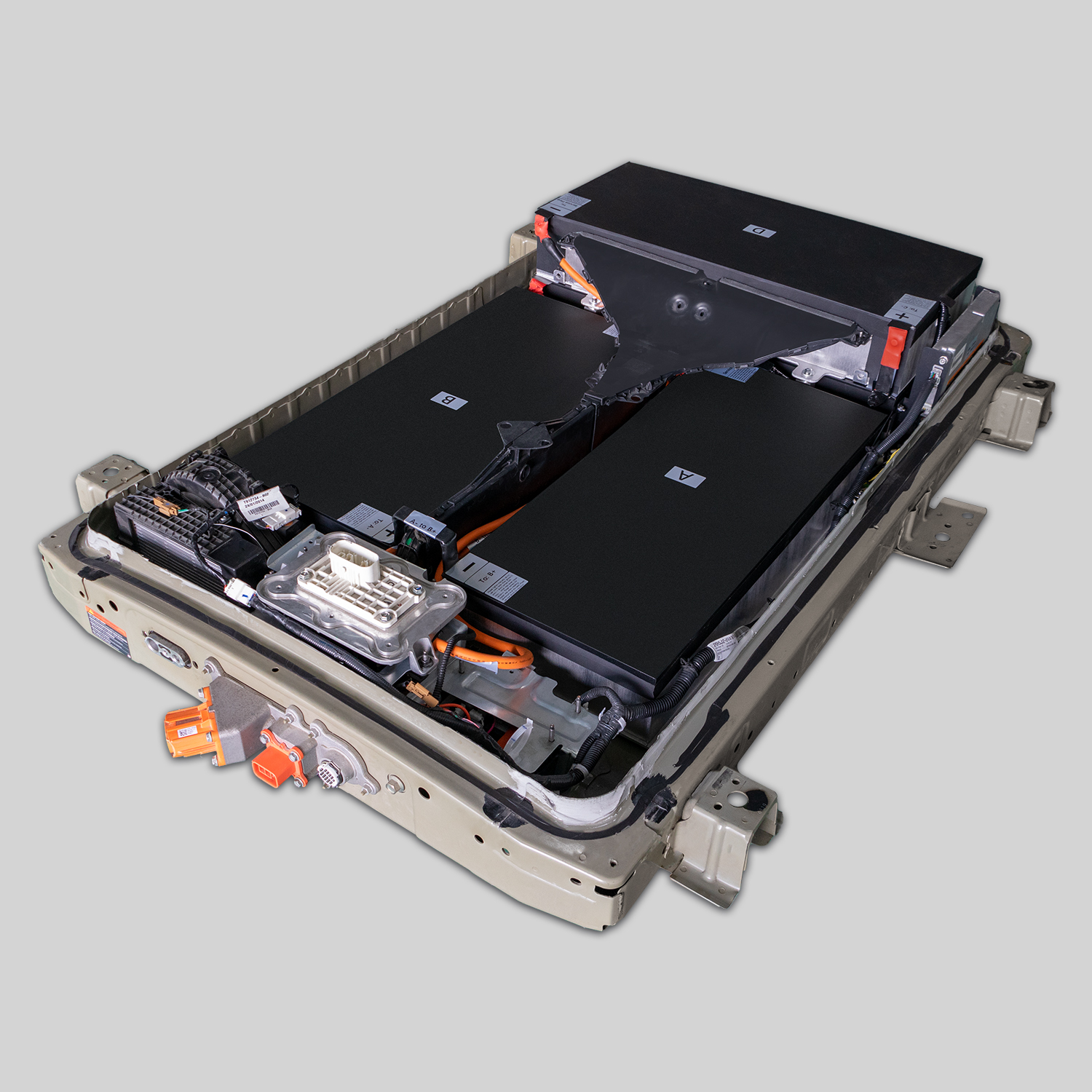
🔋 Tactic #7: Consider a High-Efficiency Replacement Pack (For Aging i3s)
If your original battery is below 80% state-of-health, winter hits even harder.
CNS’s upgraded packs help by:
- Using newer NMC 811 cells with better low-temp performance
- Including enhanced thermal sensors for smarter preconditioning
- Delivering higher baseline capacity (e.g., 62kWh vs. original 42kWh)
“My 2017 i3 used to give 55 miles in December. After installing CNS’s 50kWh pack, I get 112—even at 5°F.”
— Lisa K., Oslo
Frequently Asked Questions: BMW i3 Winter Range
Q: Does cold permanently damage the battery?
A: Only if you frequently DC fast charge while frozen. Otherwise, capacity returns when temps rise.
Q: Should I leave my i3 plugged in all winter?
A: Yes—if stored long-term, keep it at 50–80% SoC and plugged in so the BMS can manage cell balance.
Q: Can I use a cabin heater while parked?
A: Only if plugged in. Unplugged cabin heating drains the 12V battery—and eventually the HV pack.
Q: Why does regen disappear in cold weather?
A: The BMS disables strong regen below ~5°C (41°F) to prevent cell stress. Preconditioning restores it.
Q: Is range loss worse on air-cooled or liquid-cooled i3s?
A: Air-cooled models lose slightly more initially—but both recover fully with proper thermal management.
Winter Doesn’t Have to Mean Range Anxiety
With these tactics, your BMW i3 can stay efficient, reliable, and surprisingly capable—even in deep freeze.
Struggling with Severe Winter Range Drop on an Older i3? Get a Free Cold-Weather Performance Assessment from CNS Engineers—and Discover Whether a Strategic Battery Upgrade Could Restore Year-Round Confidence… Without Breaking the Bank.
Because you shouldn’t have to choose between warmth and miles.
Click Below to Start Your Personalized Winter Range Plan:
👉 https://cnsbattery.com/ev-battery-home/ev-battery-contact/