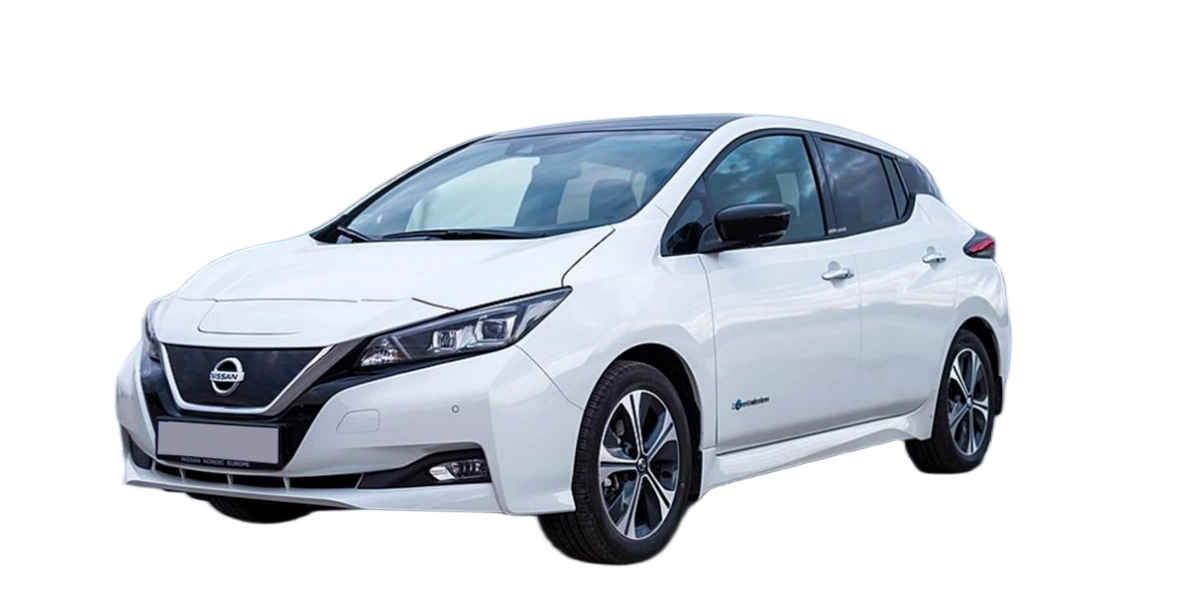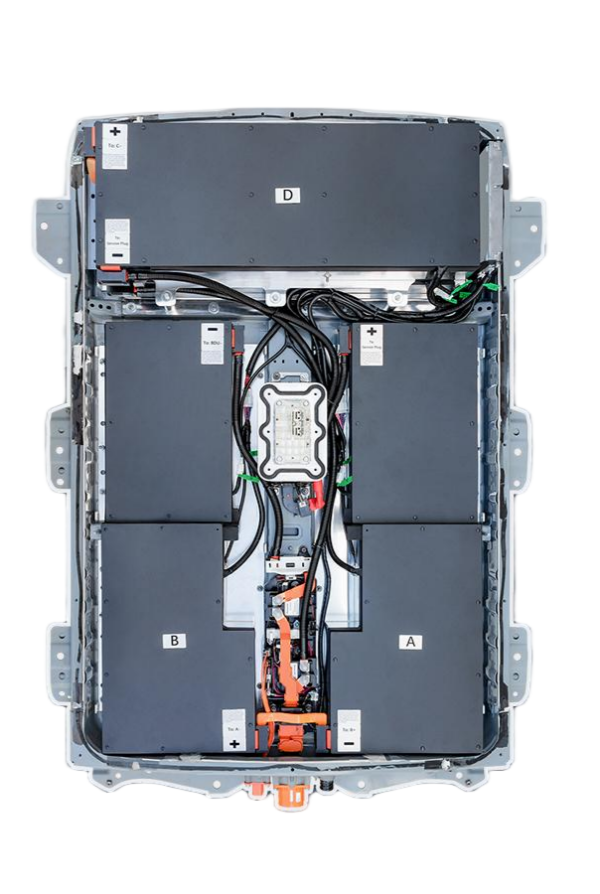
🌡️ How to Maintain Nissan Leaf 24kWh SOH During a Heatwave
The scorching summer heat is the biggest enemy of your electric vehicle’s battery health. If you own a Nissan Leaf with the older 24kWh battery pack, you are likely aware that heatwaves can trigger a rapid drop in State of Health (SOH). This specific battery chemistry is particularly sensitive to high temperatures, and without proper care, a heatwave can accelerate degradation, leaving you with reduced range and a shorter battery lifespan.
As experts in Nissan EV battery solutions, we understand the unique challenges faced by 24kWh Leaf owners. While the best long-term solution is often a full battery upgrade to a modern Lithium-Ion pack, there are critical steps you can take right now to protect your investment during extreme weather.
Here is your comprehensive guide to safeguarding your Nissan Leaf 24kWh battery during a heatwave.
📉 Understanding the 24kWh Achilles’ Heel: Heat Sensitivity
Before diving into the “how,” it is essential to understand the “why.” The 24kWh Nissan Leaf (often the S or SV trims from 2011-2015) utilizes a different battery chemistry than the later 30kWh, 40kWh, or 62kWh models.
The Core Issue: The 24kWh pack relies on Lithium Manganese Oxide (LMO) cells. While revolutionary at the time, this chemistry is notorious for its sensitivity to high temperatures. Unlike newer packs that use more stable Lithium Nickel Manganese Cobalt Oxide (NMC) or Lithium Iron Phosphate (LFP), the LMO cells degrade significantly faster when exposed to heat.
The Domino Effect:
- High Ambient Temperatures: When the outside temperature soars, the battery bay temperature rises.
- Internal Resistance: Heat increases the internal resistance of the LMO cells.
- SOH Drop: This resistance causes the battery to work harder, leading to a rapid drop in State of Health.
- Capacity Loss: The result is a noticeable reduction in your driving range, often dropping from 75 miles to under 50 miles during peak summer months.
Expert Note: If you are seeing a rapid drop in your Leaf’s SOH bars during summer, it is likely not just “phantom drain.” The 24kWh chemistry is physically degrading under the thermal stress.
🛡️ Immediate Action Plan: 4 Steps to Beat the Heat
If you are currently driving a 24kWh Leaf, follow these steps to minimize damage during a heatwave:
1. Master the Charging Strategy
Charging generates heat, and combining that with a heatwave is a recipe for disaster.
- Avoid Peak Sun Charging: Never charge your Leaf during the hottest part of the day (usually 11 AM to 4 PM). Instead, charge overnight when temperatures are cooler.
- Limit DC Fast Charging: The CHAdeMO port generates significant heat. During a heatwave, avoid DC fast charging entirely if possible. Stick to Level 2 (240V) or Level 1 (110V) charging, which are gentler on the cells.
- The 80% Rule: Avoid charging to 100% (Full Charge Capacity). Keeping the battery between 20% and 80% reduces the chemical stress on the LMO cells during high temperatures.
2. Optimize Parking & Ventilation
Heat rises, and the battery is located under the cabin floor.
- Seek Shade: Park in a garage or under a carport. If you must park outside, use a windshield sun protector and a car sunshade cover.
- Pre-Cool the Cabin: If your Leaf has a timer, set the climate control to run for 15-20 minutes before you drive. This cools the cabin and helps pull heat away from the battery bay.
3. Smart Driving Habits
Aggressive driving turns your battery into a furnace.
- Smooth Acceleration: Avoid rapid acceleration, which spikes the battery temperature.
- Use Eco Mode: Engage Eco Mode to limit power output and reduce heat generation.
- Regenerative Braking: Use the “E-Pedal” or B-mode braking to minimize friction brake usage, which can radiate heat into the undercarriage.
4. Monitor Your SOH
Use a LeafSpy or similar OBD2 scanner to monitor your battery’s temperature and individual cell voltages.
- Watch the Thermistors: If the battery temperature exceeds 104°F (40°C), stop driving and let it cool down in the shade.
- Check for Imbalance: Heatwaves can exacerbate cell imbalance. If one module is significantly hotter than the others, it indicates a weak spot in the pack.
⚠️ The Reality Check: When Maintenance Isn’t Enough
While the tips above can help you “limp through” the summer, it is crucial to be realistic. The 24kWh battery technology is over a decade old. Even with perfect care, the heat sensitivity is an inherent chemical flaw.
The Hard Truth: If your 24kWh battery has already degraded significantly (e.g., below 8 bars), no amount of maintenance will restore its original capacity. The heat has already done the damage at a molecular level.
🔋 The Ultimate Solution: Upgrade to a Modern Battery
If you love your Nissan Leaf but are tired of the “range anxiety” and heat sensitivity, the most effective way to maintain SOH is to replace the 24kWh pack entirely.
At CNS BATTERY, we specialize in high-performance, OEM-compatible replacement batteries for Nissan and BMW vehicles. We do not repair old, degraded cells; we provide a fresh start.
Why Upgrade to a CNS Battery?
Upgrading from a 24kWh to a modern 40kWh or 62kWh pack is the only way to truly “future-proof” your car against heatwaves.
| Feature | 24kWh (Original) | CNS Upgraded Battery |
|---|---|---|
| Chemistry | LMO (Heat Sensitive) | NMC / LFP (Thermally Stable) |
| SOH Retention | Drops rapidly in heat | Stable, even in high temps |
| Warranty | N/A (Out of warranty) | 2 Years / 80,000 km |
| Cost | High repair cost, low value | 50% less than OEM price |
The Benefits of Upgrading:
- Heat Resilience: Our batteries use cells from top-tier manufacturers like CATL. These modern cells utilize NMC or LFP chemistry, which are far more resistant to thermal degradation than the old LMO cells.
- Double the Range: Say goodbye to the 75-mile range. A 40kWh or 62kWh upgrade gives you a realistic 150-200+ miles of range, even in summer.
- Peace of Mind: With our 2-year warranty, you are covered against any defects or unexpected SOH drops.
💡 Expert Advice for 2026 and Beyond
As we move further into 2026, the infrastructure for EVs is improving, but the limitations of the 24kWh battery remain unchanged. If you rely on your Leaf for daily commuting, maintaining the old 24kWh pack during a heatwave is like putting a band-aid on a broken leg.
Our Recommendation:
Do not wait for your battery to die completely. The heatwave season is the perfect time to consider an upgrade. By switching to a CNS high-capacity battery, you are not just fixing a problem; you are transforming your Leaf into a modern, reliable vehicle capable of handling any weather condition.
We offer free compatibility checks and personalized quotes. Let us help you escape the heatwave anxiety.
❓ Frequently Asked Questions (FAQ)
Q1: Can I repair my 24kWh battery instead of replacing it?
While it is technically possible to replace individual modules in a 24kWh pack, it is rarely recommended. The LMO chemistry is inherently flawed regarding heat tolerance. Even after a repair, the pack will still suffer from rapid degradation in hot climates. A full upgrade to a modern chemistry pack is a more cost-effective long-term solution.
Q2: How much does it cost to upgrade from a 24kWh to a 40kWh battery?
At CNS BATTERY, we offer significant savings compared to OEM prices. You can expect to pay roughly 50% less than the cost of a new Nissan factory battery. Additionally, we offer flexible payment options and support for international customers.
Q3: Is the installation difficult?
Installation typically takes a professional technician 1-2 hours. The process is a direct OEM replacement, meaning no modifications to your vehicle are required. We provide detailed installation guides and video support to ensure a smooth swap.
Q4: What if I live in a very hot country?
If you live in a region with常年高温 (year-round high temperatures), upgrading is even more critical. Our modern batteries are designed with advanced Battery Management Systems (BMS) that actively manage temperature, ensuring your SOH remains stable regardless of the external weather.
Ready to beat the heat and double your range?
Stop worrying about your SOH dropping every summer. Contact CNS BATTERY today for a free consultation and quote on a high-performance replacement battery for your Nissan Leaf.