
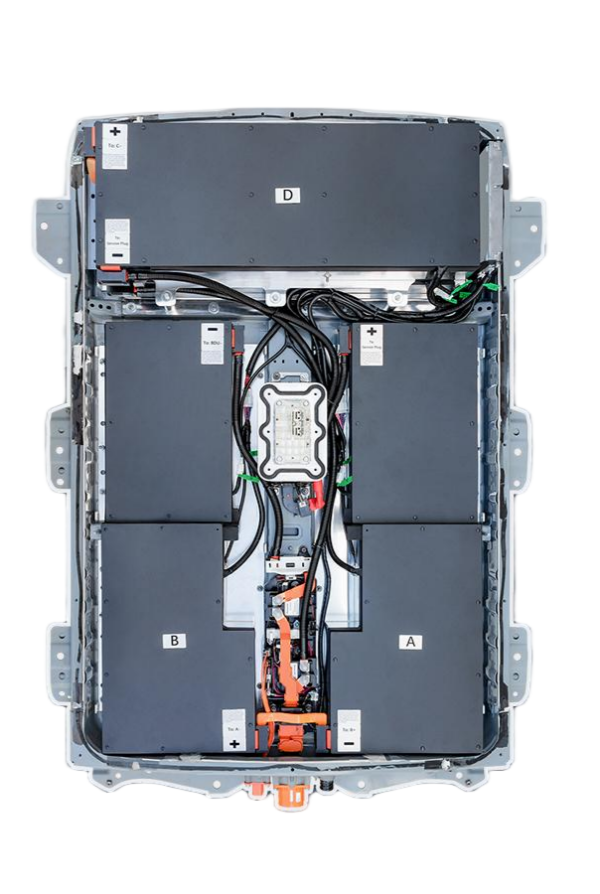
🔋 How to Maintain Nissan e-NV200 50kWh SOH During a Heatwave
The summer of 2026 is shaping up to be one of the hottest on record. For Nissan e-NV200 owners, this isn’t just uncomfortable for passengers—it’s a critical time for your 50kWh battery pack. High temperatures are the primary enemy of Lithium-ion chemistry, accelerating degradation and potentially causing irreversible damage to your State of Health (SOH).
As a dedicated EV battery manufacturer specializing in Nissan and BMW models, we at CNS BATTERY understand the unique stress heat places on the e-NV200 chassis. In this guide, we’ll walk you through the science of heat damage and provide actionable, expert-approved strategies to protect your investment.
🔥 Why Heat is the #1 Killer of Your 50kWh Pack
Before diving into solutions, it’s crucial to understand the enemy. Unlike the Nissan Leaf, the e-NV200 often lacks the sophisticated active liquid cooling systems found in newer EVs. Most 50kWh e-NV200 models rely on passive air cooling or basic thermal management.
When ambient temperatures soar above 35°C (95°F), the internal temperature of your Nissan e-NV200 battery can exceed 50°C (122°F). At this point, chemical reactions inside the cells accelerate uncontrollably.
The Chemistry: High heat causes the electrolyte to break down and the solid electrolyte interphase (SEI) layer on the anode to thicken. This consumes active lithium ions, directly reducing your SOH (State of Health) and usable capacity.
If left unchecked, a prolonged heatwave can turn a healthy 50kWh pack into a degraded 40kWh unit within a single season.
🛡️ 5 Essential Strategies to Protect Your Battery
1. Master the Charging Curve
Charging is when your battery generates the most heat. During a heatwave, resist the urge to charge immediately after a long drive.
- The “Cool Down” Rule: Park your e-NV200 and let the battery rest for 30–60 minutes before plugging in. This allows the pack to dissipate residual heat from driving.
- Avoid 100% SoC: While tempting for range anxiety, keeping the battery at 100% voltage stress increases internal pressure. For daily use, set your charge limit to 80-90%. If you must charge to 100%, do it early in the morning when temperatures are lowest and drive immediately to utilize the energy.
- Slow is Smooth: Avoid rapid DC charging during peak heat hours. The high current generates significant heat. If possible, use a Level 2 AC charger overnight.
2. Optimize Parking and Storage
Where you park is your first line of defense.
- Seek Shade: This is non-negotiable. Parking in direct sunlight can increase the cabin temperature to 70°C+, which radiates directly into the battery tray beneath the floor.
- Ventilation is Key: If you have a garage, leave the door slightly ajar or use a small fan to circulate air around the vehicle. The e-NV200’s under-floor battery relies on airflow; blocking it traps heat.
- Window Cracking: Leaving windows slightly open (or using sunshades) reduces the convection heat baking the floorboards.
3. Adjust Your Driving Style
Aggressive driving in heat is a double whammy for your 50kWh lithium-ion pack.
- Smooth Acceleration: Jerky acceleration draws high current, generating Joule heating inside the cells.
- Moderate Speeds: Highway driving (above 110 km/h) increases aerodynamic drag and motor heat, which transfers to the battery bay. Stick to lower speeds to keep the system cooler.
- Use Eco Mode: This limits power output, reducing the thermal load on both the motor and the battery.
4. Monitor Your BMS Data
Your Battery Management System (BMS) is your diagnostic tool. If you have access to a LeafSpy or similar OBD2 reader for your e-NV200, monitor the cell temperatures.
- Red Flag: If any cell exceeds 45°C (113°F), stop driving and let the pack cool.
- Balance: Heat can cause cells to drift apart in voltage. If you notice significant voltage imbalances during a heatwave, it might be time for a professional health check.
5. Inspect the Physical Pack
Physical maintenance is often overlooked.
- Clean the Undercarriage: Dirt and debris clog the airflow channels under the e-NV200. A clean undercarriage allows for better passive cooling.
- Check Insulation: Ensure the floor insulation isn’t damaged. While it keeps the cabin warm, it also protects the battery from radiant heat from the road.
🆕 When Maintenance Isn’t Enough: The Upgrade Solution
Despite your best efforts, extreme heat can permanently damage the chemistry of an older Nissan e-NV200 50kWh battery. If you notice your range dropping drastically even after following these tips, or if the battery enters “Limp Mode” frequently during summer, it might be time to consider a replacement.
At CNS BATTERY, we specialize in OEM-compatible 50kWh lithium battery packs designed specifically for the e-NV200. Our packs are engineered with heat resilience in mind:
- Premium Cells: We utilize brand-new CATL (Contemporary Amperex Technology) cells, which are renowned for their superior thermal stability and cycle life compared to recycled or lower-grade cells.
- Enhanced BMS: Our Battery Management Systems are programmed with aggressive thermal protection algorithms to safeguard your investment during heatwaves.
- Cost Efficiency: Replacing a degraded pack with a new 50kWh lithium battery from CNS costs roughly 50% less than an original factory replacement, restoring your vehicle’s range and reliability.
💡 Pro Tip: Winterization vs. Summerization
Many e-NV200 owners focus on battery heaters for winter, but summer preparation is equally vital. If you live in a region prone to heatwaves (like the Southwestern US, Southern Europe, or Australia), consider installing additional thermal insulation mats beneath the vehicle or using a portable undercarriage fan during extended parking.
❓ Frequently Asked Questions (FAQ)
Q1: Can I install an active cooling system on my e-NV200?
While technically possible, retrofitting an active liquid cooling system is complex and expensive. Most owners find it more cost-effective to upgrade to a new 50kWh battery pack designed with better thermal tolerance or to strictly adhere to the parking and charging strategies outlined above.
Q2: How do I know if my battery is damaged by heat?
Signs include a sudden drop in GIDs (or bars) on the dashboard, the battery refusing to charge above a certain percentage, or the vehicle displaying an “EV System Warning.” If your range drops by more than 20% during a heatwave and doesn’t recover when it cools down, the damage is likely permanent.
Q3: Is it safe to leave my e-NV200 parked with the battery at 100% during a heatwave?
No. A fully charged battery at high temperatures is under maximum chemical stress. If you know a heatwave is coming, try to store the vehicle at around 50-60% charge to minimize degradation.
🛠️ Ready to Restore Your Range?
Protecting your Nissan e-NV200 50kWh SOH during extreme heat requires vigilance. By following these expert tips, you can mitigate the damage caused by high temperatures and extend the life of your current pack.
However, if the heat has already taken its toll and your battery is struggling, don’t let heatwave anxiety ruin your summer. At CNS BATTERY, we offer free compatibility checks and personalized quotes for brand-new, high-performance battery solutions.
Get a Free Custom Quote for your Nissan e-NV200 today.
👉 Contact Our Technical Experts Now


