
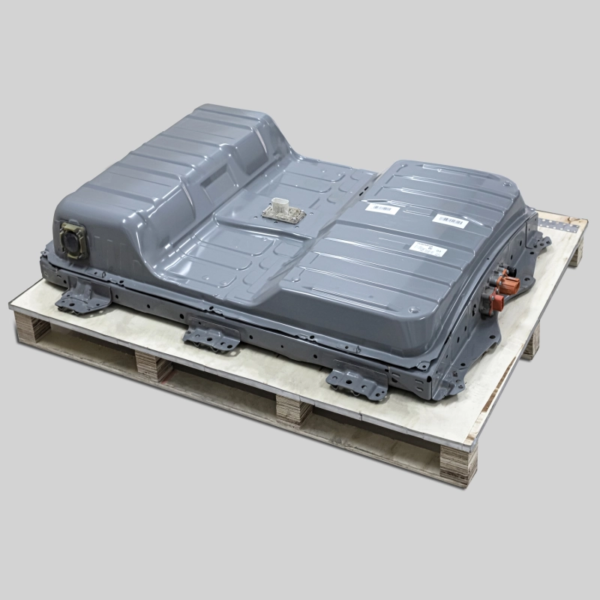
Here is the SEO-optimized article tailored for Nissan Leaf owners facing winter range anxiety, specifically addressing the ZE1 30kWh model.
Conquer Winter: Expert Guide to Maintaining Nissan Leaf ZE1 30kWh Battery Health
The Challenge:
If you drive a Nissan Leaf ZE1 with the 30kWh battery pack, the arrival of winter likely brings a specific dread: watching your range plummet by 30% or more. Unlike the larger 40kWh or 62kWh models, the ZE1 30kWh has zero room for error when temperatures drop. The cold doesn’t just slow you down; it attacks the core State of Health (SOH) of your battery cells, accelerating degradation if not managed correctly.
As an expert in EV battery technology, I understand that the ZE1 30kWh is a specific niche. Many owners face a dilemma: struggle with the original battery’s limitations or seek a solution that guarantees warmth and range. This guide will walk you through maintaining your current health and explore the ultimate upgrade path to eliminate winter anxiety forever.
Understanding the Enemy: Cold Weather & Lithium-Ion
Before we discuss maintenance, you need to understand why the cold is so harsh on your Leaf ZE1 battery.
Lithium-ion batteries rely on chemical reactions to release energy. When temperatures drop below 15°C (59°F), these reactions slow down significantly. For the 30kWh ZE1, which already operates with a tight energy budget, this manifests as:
- Increased Internal Resistance: The battery works harder to deliver the same power, generating heat but wasting energy.
- Reduced Regenerative Braking: Most EVs disable or limit regen braking in extreme cold to protect the cells, meaning you lose a vital source of range in city driving.
- Cabin Heating Drain: Unlike gasoline cars that use waste engine heat, your Nissan Leaf must draw significant power from the 30kWh battery to run the heater.
Ignoring these factors leads to “range anxiety,” which often forces drivers into poor charging habits (like constantly topping up to 100%), ironically accelerating the degradation of your SOH.
3 Proven Strategies to Preserve SOH in Winter
To keep your Leaf ZE1 30kWh healthy during the cold months, you must treat the battery as a sensitive organism rather than a simple fuel tank.
1. Master the Art of Pre-Conditioning
Pre-conditioning is the single most effective tool in your arsenal. This feature allows you to heat the battery while the car is still plugged in.
- The Strategy: Always schedule your departure for the time you plan to leave. When the car is plugged in, it uses grid power to warm the battery to its optimal operating temperature.
- The Benefit: By the time you unplug, the battery is warm, resistance is low, and your SOH isn’t stressed during the critical first miles of your journey. This prevents the “winter fade” where your range drops drastically in the first 10 minutes of driving.
2. Adopt the “Goldilocks” Charging Window
While it might be tempting to charge to 100% every night to fight range loss, this is detrimental to long-term SOH.
- The Rule: Keep your charge between 20% and 80% whenever possible.
- The Exception: Only charge to 100% if you have a long trip planned the next morning. High states of charge (above 90%) combined with cold temperatures increase lithium plating, which permanently reduces your Leaf ZE1 battery capacity.
- The Tip: If you have a home charger, plug in as soon as you get home. This keeps the battery warm via the grid overnight, rather than letting it cool down and forcing the car to use battery power to heat up the next day.
3. Tire Pressure & Driving Style
Battery maintenance isn’t just electrical; it’s mechanical.
- Tires: Cold air reduces tire pressure. Under-inflated tires increase rolling resistance. For the 30kWh ZE1, maintaining the correct tire pressure can save up to 5-10% of your range.
- Driving: Aggressive acceleration draws high current from the battery, which can cause internal cooling in cold weather. Practice smooth, predictive driving to minimize energy spikes.
The Ultimate Solution: Upgrade to a CNS New Energy Battery
While maintenance strategies help, they are band-aids on the fundamental limitation of the 30kWh ZE1. If you are tired of range anxiety and want to guarantee your SOH for the next decade, the solution is a direct upgrade.
At CNS BATTERY, we specialize in OEM-compatible solutions for Nissan and BMW. For the Leaf ZE1, we don’t just repair; we replace your aging 30kWh battery with a brand-new, high-performance unit.
Why a CNS Battery is Your Winter Savior
Our batteries are engineered specifically to solve the problems cold weather creates:
- Advanced BMS (Battery Management System): Our proprietary BMS includes sophisticated thermal management algorithms. Unlike the original ZE1 pack, our system actively manages cell temperature to maintain SOH even in sub-zero conditions.
- Premium Cell Chemistry: We utilize brand-new cells from top-tier manufacturers (like CATL). These cells have a lower internal resistance and a wider optimal temperature range compared to the aged cells in your current 30kWh pack.
- Plug-and-Play Reliability: You don’t need to modify your car. Our Leaf ZE1 batteries are drop-in replacements, ensuring a seamless transition from your old, degraded unit to a new powerhouse.
The Result: Instead of losing 30% of your range in winter, you gain the confidence of a modern EV battery. You can upgrade from the restrictive 30kWh to a 40kWh, 50kWh, or even a 62kWh pack, effectively tripling your winter usability.
The CNS Promise: Reliability You Can Trust
Switching your Leaf ZE1 battery is a significant decision. You need to trust that the new battery won’t just work, but will last.
That is why we back every CNS Automotive Battery with an industry-leading warranty. We offer up to a 2-year / 80,000 km warranty (whichever comes first). This isn’t just a guarantee on parts; it’s a guarantee on performance.
We understand the frustration of a degraded SOH. Our goal is to put your mind at ease. Whether you drive a ZE1, AZE0, or ZE0, our technical experts are ready to provide a compatibility assessment to ensure you get the perfect fit for your winter driving needs.
Frequently Asked Questions (FAQ)
Q1: Can I really improve the SOH of my Leaf ZE1 30kWh without replacing it?
While you cannot reverse chemical degradation, you can stabilize the SOH and prevent further rapid decline. By strictly following the pre-conditioning and charging window strategies mentioned above, you can prevent the cold from accelerating the aging process of your current cells.
Q2: How much range can I expect from a CNS battery in winter compared to my old 30kWh?
The difference is dramatic. A degraded 30kWh ZE1 might drop from 110 miles to 70 miles in winter. A new CNS 40kWh or 62kWh battery will retain a much higher percentage of its rated range. While all batteries lose some efficiency in the cold, a new CNS pack with active thermal management will typically retain 20-30% more range than an old, cold 30kWh pack.
Q3: Is the installation difficult?
Not at all. Our batteries are designed for OEM compatibility. If you are replacing a Leaf ZE1 battery, it is a straightforward drop-in process. We provide detailed installation guides and video tutorials. For the ZE1 model, the process usually takes a professional technician about 1-2 hours, and we offer remote video support if you encounter any issues.
Q4: What if my car model isn’t listed?
We specialize in Nissan and BMW, but our engineering team can often support custom solutions. If you have a specific Leaf variant or another model, contact our technical experts for a free assessment.
Ready to End Winter Range Anxiety?
Don’t let the cold weather limit your driving freedom. Whether you need expert advice on maintaining your current Leaf ZE1 30kWh SOH or you are ready to upgrade to a powerful new CNS battery, we are here to help.
Contact our technical experts today for a free compatibility assessment and quote. Let us help you get back on the road with confidence.


