
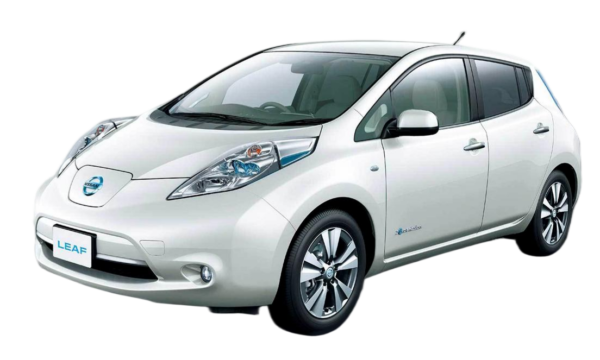
🥶 The Ultimate Guide to Preserving Your Nissan Leaf ZE0 40kWh Battery Health in Winter
Winter is coming. If you own a Nissan Leaf ZE0 (2011-2017 models) with the 40kWh battery pack, you know the struggle. The moment temperatures drop below 10°C (50°F), your State of Health (SOH) readings can look terrifying, and your driving range seems to vanish into thin air.
As a battery expert, I often get asked: “Is my battery dying, or is it just the cold?” The truth is, while cold weather significantly impacts lithium-ion performance, there are specific strategies you can use to maintain your SOH and maximize winter range.
This guide is designed to help you navigate the winter months without fear, ensuring your Leaf stays reliable and your battery lasts for years to come.
❄️ Why Does the Cold Kill Your Leaf ZE0’s Range?
Before we dive into maintenance, it’s crucial to understand the science. Unlike the newer Leaf models with thermal management systems, the ZE0 40kWh battery relies on passive cooling.
When temperatures plummet:
- Chemical Slowdown: The electrolyte inside the lithium-ion cells thickens, slowing down the movement of ions. This reduces the battery’s ability to deliver power.
- Heater Drain: The biggest culprit for range loss isn’t the driving—it’s the cabin heater. Heating the air for your comfort consumes a massive amount of energy directly from the 40kWh pack.
- SOH Fluctuation: Your car’s BMS (Battery Management System) calculates SOH based on voltage and resistance. In the cold, resistance increases, causing the BMS to temporarily display lower SOH bars (often dropping to 10 or 11 bars). This is often temporary “winter hibernation,” not permanent degradation.
🛠️ 5 Expert Strategies to Maintain SOH in Freezing Temperatures
Simply driving less isn’t the answer. To keep your battery healthy, you need to manage how it interacts with the cold.
1. Pre-Conditioning is Your Best Friend
Pre-conditioning means warming up your battery while the car is still plugged in.
- How to do it: Set your charging timer to finish 30 minutes before you usually leave. The car will use grid power to warm the battery to an optimal temperature.
- Why it works: A warm battery discharges more efficiently. By pre-heating the cells before you unplug, you preserve precious kWh for actual driving, not internal resistance.
2. Master the Art of Regenerative Braking
In cold weather, regenerative braking (Eco mode) becomes less effective because the battery cannot accept a charge when it’s too cold.
- The “One Pedal” Paradox: You might notice the car doesn’t slow down as aggressively when you lift the throttle.
- The Fix: Drive smoothly. Avoid hard braking, as friction brakes generate heat but waste energy that could have been recaptured. If your battery is pre-conditioned, regen will work much better.
3. Strategic Parking and Insulation
Since the ZE0 has a passive cooling system, the battery temperature directly matches the ambient temperature.
- Garage it: If possible, park in a garage or covered area. Even a few degrees difference can prevent the battery from freezing solid overnight.
- Undercarriage Protection: While Nissan didn’t offer this originally, some owners in extreme climates use aftermarket floor pan covers to trap a layer of warm air under the car.
4. Avoid Deep Discharges
Cold + Low Charge = A Dangerous Duo.
- The Rule: Never let your battery drop below 20% in freezing temperatures.
- The Reason: A fully discharged lithium-ion cell in sub-zero conditions is at risk of copper shunting, a phenomenon where copper dissolves into the electrolyte, causing permanent capacity loss and potential short circuits. Keep it charged!
5. The “Trickle Charge” Method
If you don’t drive your Leaf for several days in winter, the battery will cool down and the voltage will sag.
- The Solution: Keep the car plugged in even when fully charged. The BMS will perform small “top-up” charges to maintain the voltage.
- Important Note: Do not leave it plugged in for months on end without checking; however, for weekly winter use, staying plugged in keeps the cells stable and ready.
⚡ When Maintenance Isn’t Enough: The Upgrade Solution
If you’ve followed all the maintenance tips and your 40kWh battery still shows permanent degradation (e.g., consistently low SOH bars even in summer), or if the winter range anxiety is too much, it might be time to consider a solution.
At CNS BATTERY, we specialize in high-performance, OEM-compatible replacements for Nissan Leafs. If you are tired of the limitations of the older 40kWh pack, upgrading to a new 62kWh lithium battery pack can be a game-changer.
Why Upgrade?
Instead of fighting to maintain 40kWh, you can double your winter confidence. Our packs use brand-new CATL cells, which are known for superior thermal stability and longevity compared to the older Chemistries used in the ZE0.
Our batteries are designed for the long haul:
- OEM Fitment: No modifications needed; it bolts right in.
- Extended Warranty: We offer a 2-year / 80,000 km warranty, far exceeding standard industry offerings.
- Cost-Effective: You can upgrade to a brand-new 62kWh experience for about 50% of the cost of an original manufacturer battery.
Get a Free Custom Quote for Your Leaf Upgrade
📊 Cold Weather Performance: Maintenance vs. Upgrade
To help you decide your next step, here is a comparison of managing your current 40kWh battery versus upgrading to a new pack.
| Feature | Maintaining 40kWh in Winter | Upgrading to 62kWh (New Cells) |
|---|---|---|
| Winter Range | ~80-100 km (Highly dependent on heat use) | ~240-280 km (Ample buffer for heating) |
| SOH Stability | Prone to temporary drops; risk of permanent loss if cycled deeply in cold | Stable chemistry; maintains >70% capacity over warranty |
| Heating Impact | Drains battery rapidly, causing “Turtle Mode” risk | Heating reduces range, but starting capacity is much higher |
| Longevity | Aging cells degrade faster in extreme cold | New CATL cells offer superior lifespan and cold resilience |
| Best For | Occasional drivers, mild climates | Long commutes, cold climates, peace of mind |
📝 Frequently Asked Questions (FAQ)
Q1: Will my SOH bars come back in the summer?
- A: In many cases, yes. If your battery drops to 10 bars in -10°C weather but returns to 12 bars when the temperature rises above 20°C, the loss was likely temporary due to voltage sag. However, if the bars do not return in warm weather, the cells have suffered permanent chemical degradation.
Q2: Is it bad to charge my Leaf in the rain or snow?
- A: No. The charging ports and cables are designed to be weatherproof (IP67 rating). However, always wipe snow or ice off the charge port door before opening it to prevent moisture from freezing inside the mechanism.
Q3: Should I use the “CHAdeMO” fast charger in winter?
- A: Use with caution. Fast charging a cold battery (<0°C) can cause lithium plating, which permanently damages the cells and reduces SOH. Always pre-heat the battery using the Level 1/2 charger (or precondition while driving) before attempting a DC fast charge.
Q4: How do I know if I need a new battery?
- A: If your car frequently enters “Turtle Mode” (reduced power) even after a full charge on a cold day, or if the battery capacity does not recover in warmer months, it is likely time for a replacement. Our experts can check your VIN and provide a compatibility assessment.
Q5: Are CNS batteries suitable for extreme cold?
- A: Absolutely. Our batteries utilize advanced Battery Management Systems (BMS) and high-quality cells that are rigorously tested for thermal performance. While no battery is immune to physics, our packs provide a much larger capacity buffer, making them ideal for harsh winter conditions.
Don’t let the cold weather ruin your driving experience. Whether you choose to maintain your current setup or upgrade to a high-capacity solution, understanding your battery is the first step to longevity.


