
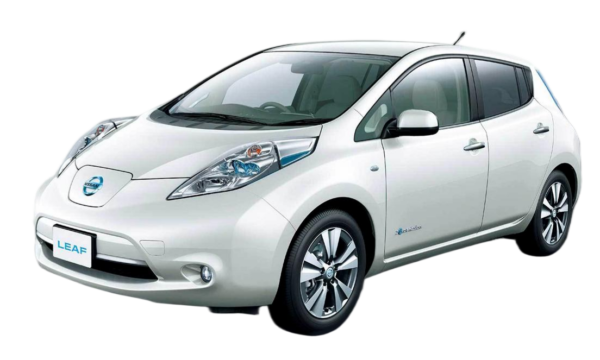
🌡️ The Ultimate Guide to Preserving Nissan Leaf ZE0 30kWh Battery Health This Winter
Winter doesn’t just make your morning commute chilly; it can also be the biggest test of your Nissan Leaf ZE0’s battery health. If you own a 30kWh model, you know the struggle: that dreaded range drop from 120 miles to seemingly half that when temperatures plummet. But here is the good news: cold weather doesn’t have to mean battery degradation. As experts in EV battery solutions, we understand that maintaining your State of Health (SOH) during these months is crucial for the longevity of your vehicle.
In this guide, we will walk you through the science of why cold affects your 30kWh battery and provide actionable, expert-backed strategies to keep your Nissan running smoothly all season long. If you find that your battery is already struggling to hold a charge despite these precautions, it might be time to consider a modern, high-performance replacement.
❄️ Why Does the Cold Hit the 30kWh Battery So Hard?
To protect your investment, you first need to understand the enemy. The 30kWh battery, found in early Nissan Leaf models (2011-2015), uses a specific lithium-manganese chemistry. While reliable, this chemistry is particularly sensitive to low temperatures for two main reasons:
- Chemical Slowdown: Inside the battery, ions move slower in the cold. This increases internal resistance, making it harder for the battery to accept a charge and deliver power.
- Cabin Heating: Unlike gas cars that use waste engine heat, your Leaf uses the battery to power the heater. This is the single biggest drain on your winter range.
Key Insight: A temporary range drop in winter is normal. However, frequent deep discharges (letting the battery get very low) combined with freezing temperatures is what causes permanent damage to the SOH.
🛡️ 5 Proven Strategies to Lock in Your SOH
1. Preconditioning is Your Secret Weapon
Never start your drive with a cold battery. Preconditioning warms the battery to its optimal operating temperature (around 20°C-30°C) while the car is still plugged in.
- How to do it: Use the NissanConnect app to start charging or preconditioning before you leave.
- Why it works: This ensures maximum efficiency from the moment you unplug, reducing strain on the cells.
2. The “80% Rule” for Winter Charging
While you might usually charge to 100% in summer, winter requires a different approach.
- The Strategy: Charge to 80-90% instead of 100%.
- The Reason: Charging a lithium-ion battery below freezing (0°C) can cause lithium plating, which permanently damages the anode. Avoid plugging in immediately after a drive if the battery is cold, or use a timer to start charging when temperatures are slightly higher.
3. Utilize a Battery Blanket (If Possible)
For the 30kWh models, external help can make a big difference.
- If you have access to a garage, park inside.
- If you must park outside, consider insulating the underside or using a car cover to trap residual heat.
- Expert Tip: If your garage is unheated, simply parking there can shield the battery from wind chill, which is often the real culprit of heat loss.
4. Minimize Cabin Heat Usage
Since the heater is the biggest energy hog, be smart about how you use it.
- Pre-heat: Use the app to warm the cabin while plugged in.
- Seat Warmers: Use heated seats and a steering wheel heater instead of blasting the HVAC. They use significantly less power.
- Dress Warm: Keep a blanket in the car and wear warm clothes.
5. Avoid Deep Discharges
This is the golden rule for SOH preservation. Never let your battery drop below 20% in winter.
- Plan Ahead: If your destination is far, plan a charging stop.
- Buffer: Treat your “Empty” gauge as if it is 30% depleted already. If you see 30% remaining, it is time to plug in.
⚡ When Maintenance Isn’t Enough: The Upgrade Solution
If you have followed these steps diligently but still find your 30kWh battery showing signs of permanent degradation (like consistently low capacity bars or inability to hold a charge), it might be a sign that the cells have reached the end of their chemical lifecycle.
This is where CNS BATTERY steps in. We specialize in providing OEM-compatible, brand-new lithium battery packs specifically designed for Nissan Leafs. Unlike refurbished or second-hand batteries, our packs are built using brand-new CATL cells, ensuring you get a battery that performs like new, not a recycled one.
🆚 Why a New CNS Battery Beats a Refurbished 30kWh
| Feature | Old/Refurbished 30kWh | CNS New Battery |
|---|---|---|
| Cell Quality | Degraded, potentially unstable | Brand New CATL Cells |
| Winter Performance | Severe range drop, unreliable | Stable chemistry, predictable output |
| Warranty | Often None or very short | 2 Years / 80,000 km |
| Price vs Value | High risk of failure, short lifespan | 50% cost of OEM, but brand new |
| Capacity | Likely below 70% SOH | 100% Fresh Capacity |
The Upgrade Advantage: While maintaining your current 30kWh is ideal for short-term savings, upgrading to a new CNS battery pack (such as a 40kWh or 62kWh option) solves the “range anxiety” problem permanently. Newer NMC chemistry handles cold weather significantly better than the older 30kWh packs.
💡 Expert FAQ: Winter Battery Care
Q: Can I leave my Leaf plugged in all winter?
A: Yes, absolutely. Keeping the car plugged in allows the thermal management system to maintain the battery at an optimal temperature. This prevents the cells from freezing and protects the SOH. It also ensures the cabin is warm when you get in.
Q: My 30kWh battery shows “Turtle Mode” in the cold. Is it broken?
A: Not necessarily. The “Turtle Mode” (reduced power) is a safety feature triggered by low voltage. In cold weather, the voltage sags due to increased resistance. If the power returns after the battery warms up during driving, it is likely just the cold affecting performance. However, if the power does not return once the battery warms, the cells may be degraded and need replacement.
Q: Should I store my Leaf if I don’t drive it in winter?
A: If you must store it, charge the battery to 50-60% and disconnect the 12V auxiliary battery to prevent parasitic drain. Store it in a cool, dry place, but avoid freezing temperatures if possible. Check the voltage monthly.
🚀 Ready for a Reliable Winter?
Preserving your Leaf ZE0’s SOH is about smart habits, but sometimes, the hardware itself needs an update. Don’t let an old, degraded 30kWh battery ruin your winter drives. With a CNS BATTERY, you get the peace of mind of a brand-new, factory-standard pack designed for reliability in all conditions.
Don’t wait for a breakdown in the cold. Get a free quote today and see how much you can save by upgrading to a new lithium battery solution.


