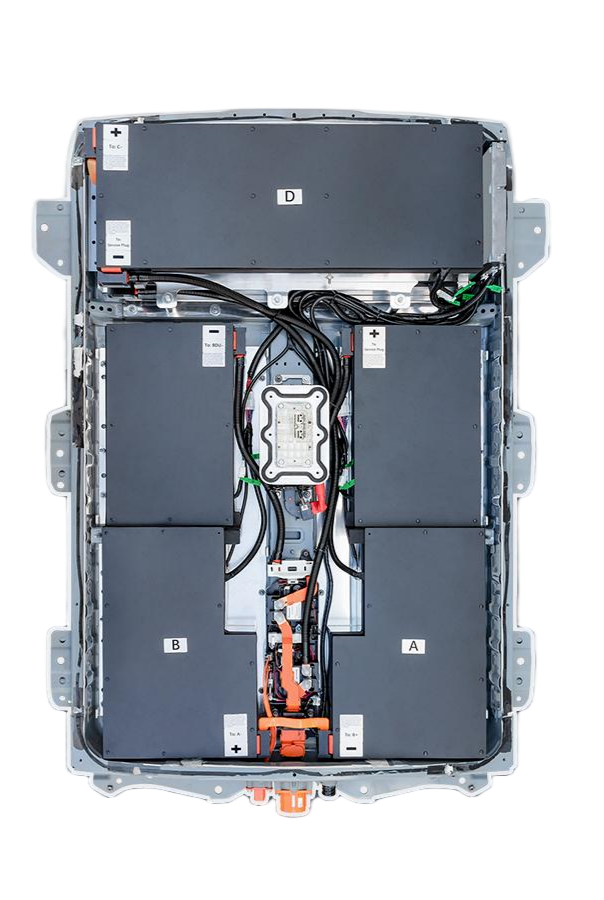
⚡ Mastering the Nissan Leaf AZE0 Battery Replacement: A Comprehensive Guide
Is your Nissan Leaf AZE0 showing signs of battery degradation? You’re not alone. As an expert in electric vehicle powertrains, I understand the frustration when your daily range drops significantly. Replacing the battery in a Nissan Leaf AZE0 is a significant but rewarding project. Whether you’re upgrading to a higher capacity (like 62kWh) or simply replacing a degraded pack, this guide will walk you through the process to ensure a safe and successful installation.
🛠️ Essential Preparation: Safety First
Before you even touch a wrench, preparation is key. Working with high-voltage systems requires strict adherence to safety protocols.
1. Gather Your Tools
For a Nissan Leaf AZE0 battery replacement, you will typically need:
- Basic Hand Tools: Socket sets, torque wrenches, and screwdrivers.
- Insulated Safety Gear: High-voltage insulated gloves (Class 00, 1000V) and safety glasses are mandatory.
- Lifting Equipment: A sturdy transmission jack or engine crane to safely support the heavy battery pack.
- Diagnostic Tools: A Leaf Diagnostic Tool (like a Leaf Spy or Consult Diagnostics) to monitor vehicle readiness.
2. Safety Protocol
- Disconnect the 12V Battery: Always start by disconnecting the negative terminal of the 12V auxiliary battery to cut power to the vehicle’s control systems.
- Wait 10 Minutes: After disconnecting, wait at least 10 minutes to allow the capacitors in the inverter and charger to discharge.
- Secure the Vehicle: Use jack stands on solid ground; never rely solely on a hydraulic jack.
📦 Removing the Old AZE0 Battery Pack
The Nissan Leaf AZE0 chassis is designed for serviceability, but the battery is heavy.
- Access the Pack: Remove the underbody plastic shields to access the battery mounting bolts.
- Disconnect Wiring: Locate the high-voltage connectors and the main service plug (if accessible). Carefully disconnect the low-voltage communication harnesses and the high-voltage cables. Label everything to ensure correct reconnection later.
- Loosen Mounting Bolts: There are typically 10-12 mounting bolts securing the battery to the chassis rails. Loosen these systematically.
- Lower the Pack: Position your jack carefully under the center of the battery pack. Slowly lower the vehicle to transfer the weight to the jack, then roll the pack out from underneath.
🔋 Installing Your New Battery
This is where precision matters most. Whether you are using a standard replacement or a custom solution, the fitment must be perfect.
1. Positioning
Roll the new battery pack (e.g., a 40kWh, 50kWh, or 62kWh lithium battery pack) into position under the chassis. Use the jack to lift it evenly until it aligns with the mounting holes.
2. Torque Specifications
Reinstall the mounting bolts. It is crucial to torque these bolts to the manufacturer’s specifications (usually around 80-100 Nm for the main chassis bolts, but always verify). Over-tightening can strip threads in the chassis.
3. Electrical Reconnection
- Reconnect the high-voltage cables first, ensuring the polarity is correct (Red = Positive, Black/Negative = Ground).
- Reconnect the low-voltage communication harnesses. Ensure the connectors are fully seated and locked to prevent error codes.
💻 BMS Programming and System Check
A common hurdle for DIYers is the Battery Management System (BMS) handshake.
1. Initial Power-Up
Reconnect the 12V battery. Turn the ignition to “ON” (do not start the car yet). Observe the dashboard. If you see “Battery Error” or “Check Charging System,” do not proceed to drive.
2. Programming the BMS
Most aftermarket and replacement packs require BMS programming to sync with the Leaf’s Vehicle Control Module (VCM). This often involves using a specific programming cable and software.
- Expert Tip: If you purchased your pack from a reputable supplier like CNS BATTERY, they often provide detailed video tutorials and remote video guidance to walk you through this specific step, ensuring the BMS recognizes the new cell chemistry and capacity.
3. Test Drive
Once the error lights are off, perform a short test drive in a safe area. Monitor the battery voltage and temperature gauges to ensure stability.
📝 Why Choose a Custom Solution?
Upgrading your Nissan Leaf AZE0 presents a unique opportunity. Instead of just replacing like-for-like, many owners opt for a higher capacity upgrade (such as moving from 40kWh to 62kWh). This not only restores the original range but can actually extend it beyond factory specifications.
Key Benefits:
- Extended Range: Regain the joy of long-distance driving.
- New Cell Chemistry: New packs utilize fresh, high-grade cells (often from top-tier suppliers like CATL), offering superior thermal management compared to aged packs.
- Cost Efficiency: Replacing the battery often costs significantly less than purchasing a new vehicle.
❓ Frequently Asked Questions (FAQ)
Q1: How long does it take to replace a Nissan Leaf AZE0 battery?
For a professional technician, the physical removal and installation typically take 1 to 2 hours. However, if the BMS requires complex programming or coding, this can add an additional 30 minutes to 1 hour. DIY users should allocate a full afternoon to ensure they don’t rush the safety-critical steps.
Q2: Can I install a battery from a different Leaf generation (e.g., ZE1) into my AZE0?
While the physical dimensions and chassis mounts are often very similar between the ZE0 and AZE0 models, the electrical connectors and BMS protocols can differ. It is generally recommended to use a battery specifically designed for the AZE0 platform, or ensure that the replacement pack has adapters for perfect plug-and-play compatibility. Always verify the voltage and interface matching before purchasing.
Q3: What should I do if the “Airbag Light” or “Traction Control Light” comes on after the install?
These lights often illuminate simply because the vehicle’s systems were reset during the 12V battery disconnect. In most cases, driving the car for a few miles at speeds above 15 mph (25 km/h) will allow the systems to re-calibrate and turn the lights off automatically. If they persist, a simple OBD2 reset tool may be needed.
Q4: Do I need special equipment to charge the new battery?
No. Once installed and programmed correctly, the Nissan Leaf AZE0 will utilize the onboard charger to accept power from standard Level 1 (120V), Level 2 (240V), or DC Fast Charging (CHAdeMO) stations just like a brand-new factory vehicle.
Ready to restore your Leaf’s performance? Contact our technical experts now for customization and get a free quote for your perfect battery solution.