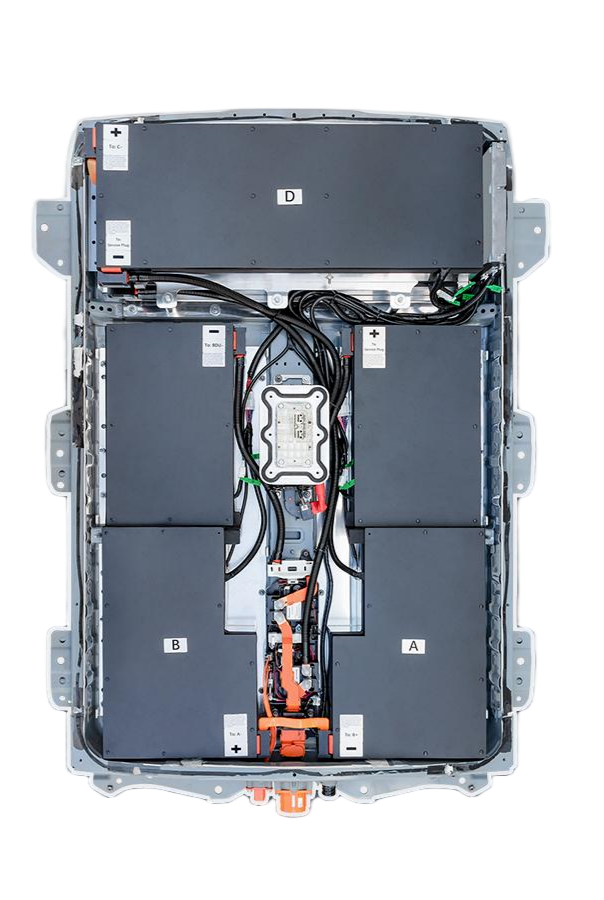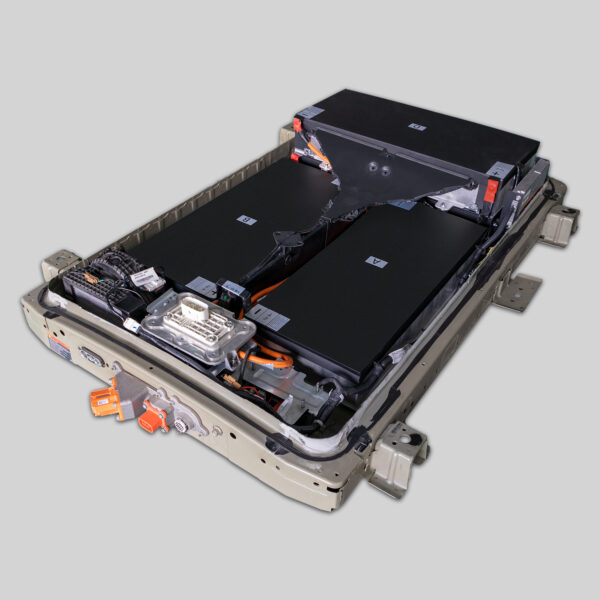
How to Get the Best DIY Nissan Leaf Lithium Battery Solution for Fleet Owners
Owning and operating a fleet of Nissan Leaf or e-NV200 vehicles presents a unique set of challenges, especially when it comes to battery degradation and replacement costs. As a fleet manager or owner, your primary concerns are uptime, total cost of ownership (TCO), and reliability. The original factory batteries, while robust, come with a price tag that can cripple a fleet’s budget. Meanwhile, the “cheap” aftermarket options often lead to more downtime due to failures. This guide is designed specifically for professionals like you, providing a roadmap to acquiring high-quality, DIY-friendly lithium battery solutions that save money without sacrificing performance.
Why Standard Replacement Options Fail Fleet Economics
Before diving into the “how,” let’s address the “why.” Most fleet owners face a dilemma between the Original Equipment Manufacturer (OEM) and generic aftermarket batteries.
- The OEM Trap: Replacing a Nissan Leaf battery with a brand-new OEM unit can cost upwards of $16,000. For a fleet of 5 or 10 vehicles, this is a capital expenditure that is hard to justify, even if the vehicles are otherwise mechanically sound.
- The Refurbished Gamble: Many turn to refurbished or second-life batteries to save cash. However, these often consist of used cells with unknown health. Stories of batteries swelling or failing within 6 months are common, leading to double the labor costs and lost revenue.
The Solution: A new, high-grade aftermarket battery built with brand-new, top-tier cells (like CATL) that matches OEM fitment but costs significantly less.
Step 1: Identifying the Right Battery Specifications
The first step in your DIY journey is ensuring you get the correct battery for your specific fleet model. Nissan has produced several variants of the Leaf, and the battery packs are not always interchangeable.
Key Models and Specifications:
| Model Series | Common kWh Options | Compatibility Notes |
|---|---|---|
| Nissan Leaf ZE0 (2011-2013) | 24kWh, 30kWh | Early models; ensure BMS compatibility. |
| Nissan Leaf AZE0 (2013-2015) | 40kWh, 62kWh | The 62kWh is a popular upgrade path. |
| Nissan Leaf ZE1 (2018+) | 40kWh, 62kWh | Newer standard; check for software updates. |
| Nissan e-NV200 | 40kWh | Commercial van variant; specific mounting. |
Expert Tip: If you are managing a mixed fleet, consider standardizing on a single kWh rating (e.g., 40kWh) for easier inventory management of spare parts and charging logistics.
Step 2: The DIY Acquisition Process
Acquiring a battery for a DIY swap is simpler than you might think, but it requires precision to avoid compatibility issues.
1. VIN Verification (Crucial Step)
Do not guess your battery specs. Reputable manufacturers, such as CNS BATTERY, offer a free pre-sale compatibility assessment. By uploading your Vehicle Identification Number (VIN), their technical team can confirm the exact voltage, connector type, and Battery Management System (BMS) protocol required for your specific year and model. This step prevents the nightmare of receiving a battery that doesn’t plug in or communicate with your car.
2. Selecting the Source
When looking for a DIY solution, you want a supplier that offers:
- Plug-and-Play Design: The connectors should match the OEM harnesses exactly.
- Complete Documentation: Including torque specs and wiring diagrams.
- Video Tutorials: Step-by-step guides for removal and installation.
3. The Ordering Process
The typical order flow for a professional fleet owner involves:
- Consultation: Discussing your fleet size and specific vehicle years.
- Quotation: Receiving a transparent quote that includes the battery price.
- Logistics: Arranging shipping (often DDP – Delivered Duty Paid) to your location.
Step 3: Installation and Integration
One of the biggest fears fleet owners have is the “black box” nature of the BMS. However, modern aftermarket batteries are designed to integrate seamlessly.
- Physical Installation: Most Nissan Leaf battery swaps take a professional technician 1-2 hours. The process involves disconnecting the high-voltage system, removing the underbody shields, unbolting the old pack, and lowering in the new one.
- BMS Programming: This is where the “DIY” aspect gets technical. While the physical swap is mechanical, the software handshake is critical. Top-tier suppliers provide remote video guidance or detailed programming videos to ensure the BMS is initialized correctly. This often involves connecting a diagnostic tool or following specific charge/discharge cycles.
Real-World Fleet Testimonial:
Mike’s Auto Service in Vancouver, a repair shop that handles fleet vehicles, states: “Their batteries have excellent compatibility… The batteries use brand-new CATL cells, resulting in an almost zero failure rate. Customer feedback indicates that the range meets the stated specifications.”
Step 4: Warranty and Risk Mitigation
For fleet owners, the warranty is not just a perk; it’s a risk management tool.
- Standard Coverage: Look for suppliers offering a minimum of a 2-year or 80,000 km warranty.
- Coverage Scope: Ensure the warranty covers defects in materials and workmanship, and ideally, offers prorated coverage for capacity degradation (e.g., guaranteeing 70% capacity over the warranty period).
This shifts the risk from your balance sheet to the manufacturer’s, providing peace of mind that your investment is protected.
Cost-Benefit Analysis: OEM vs. Aftermarket
Let’s break down the financial logic of choosing a professional aftermarket solution over the OEM route.
| Cost Factor | OEM Replacement | Professional Aftermarket (e.g., CNS) |
|---|---|---|
| Battery Cost | ~$16,000 | ~$7,800 – $8,200 |
| Warranty | 8 years / 100,000 miles (prorated) | 2 years / 80,000 km (often full replacement) |
| Cell Quality | Standard OEM Grade | Often uses premium new cells (CATL) |
| Fleet Viability | Low (High Capital Cost) | High (50%+ Savings) |
By choosing the right aftermarket solution, you save over 50% on the upfront cost while still receiving a battery built with brand-new, high-quality cells. This allows you to refurbish more vehicles within your budget, keeping your fleet operational and profitable.
Frequently Asked Questions (FAQ)
Q1: Is it safe to install a battery myself, or should I hire a mechanic?
While the physical installation is a mechanical process (unbolting and reconnecting), working with high-voltage systems is dangerous. We recommend having the installation performed by a certified technician or someone with high-voltage electrical experience. However, the process is designed to be “plug-and-play,” meaning the wiring harnesses match the OEM specifications, simplifying the physical swap. If you are a DIY enthusiast, ensure you have the proper insulated tools and safety gear.
Q2: Will this battery void my vehicle’s remaining factory warranty?
A properly installed aftermarket battery should not interfere with the remaining factory warranty on other components (like the motor or suspension). However, the specific “battery warranty” from the original dealer will naturally be voided since you are using a different pack. Reputable aftermarket manufacturers provide their own comprehensive warranties (e.g., 2 years/80,000 km) to cover the battery pack.
Q3: How long does the shipping take for international fleet orders?
Shipping times can vary depending on the method chosen. Sea freight, which is common for heavy items like batteries, typically takes 4-8 weeks. Air freight is faster (1-2 weeks) but significantly more expensive due to the dangerous goods classification (UN 3480). Many suppliers offer DDP (Delivered Duty Paid) services, handling all customs clearance for you.
Q4: What happens if I encounter a problem during installation or programming?
Reputable manufacturers understand that technical hiccups can occur. Look for companies that offer lifetime technical support. This usually includes remote video guidance via Zoom or similar platforms, where an engineer can walk you through the BMS programming or wiring connections step-by-step to resolve the issue.
Q5: Are these batteries truly compatible with all Nissan Leaf models?
Compatibility is based on OEM standards. While the physical dimensions and connectors are designed to match, it is essential to verify your specific model year and VIN. For example, the Leaf ZE0 (2011-2012) has different voltage requirements than the ZE1 (2018+). Always confirm compatibility with the supplier’s technical team before purchasing.
Ready to revitalize your fleet with a cost-effective, high-performance battery solution? Get a Free Custom Quote today and see how much you can save.