Here is the SEO-optimized article tailored for the Nissan Leaf and e-NV200 audience, focusing on the comparison between the Leaf Plus battery and Muxsan alternatives.
The Ultimate Guide: Nissan Leaf Plus Battery vs Muxsan (2026 Update)
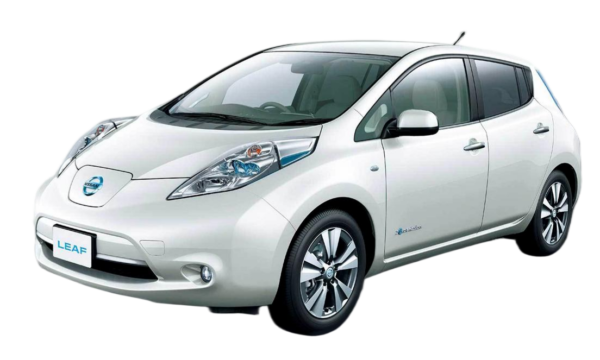
For Nissan Leaf and e-NV200 owners, the struggle with battery degradation is real. As you search for a replacement, you inevitably encounter a dilemma: Should you opt for a high-capacity solution like the Leaf Plus battery, or is a standard pack like the Muxsan sufficient?
This guide cuts through the technical jargon. As experts in EV battery solutions, we understand that your decision hinges on range anxiety, budget, and long-term reliability. We will dissect the differences between the Leaf Plus battery (often referring to upgraded high-kWh packs) and the Muxsan (typically a standard capacity or specific brand variant), helping you make an informed choice that aligns with your driving needs.
Understanding the “Leaf Plus” Battery Concept
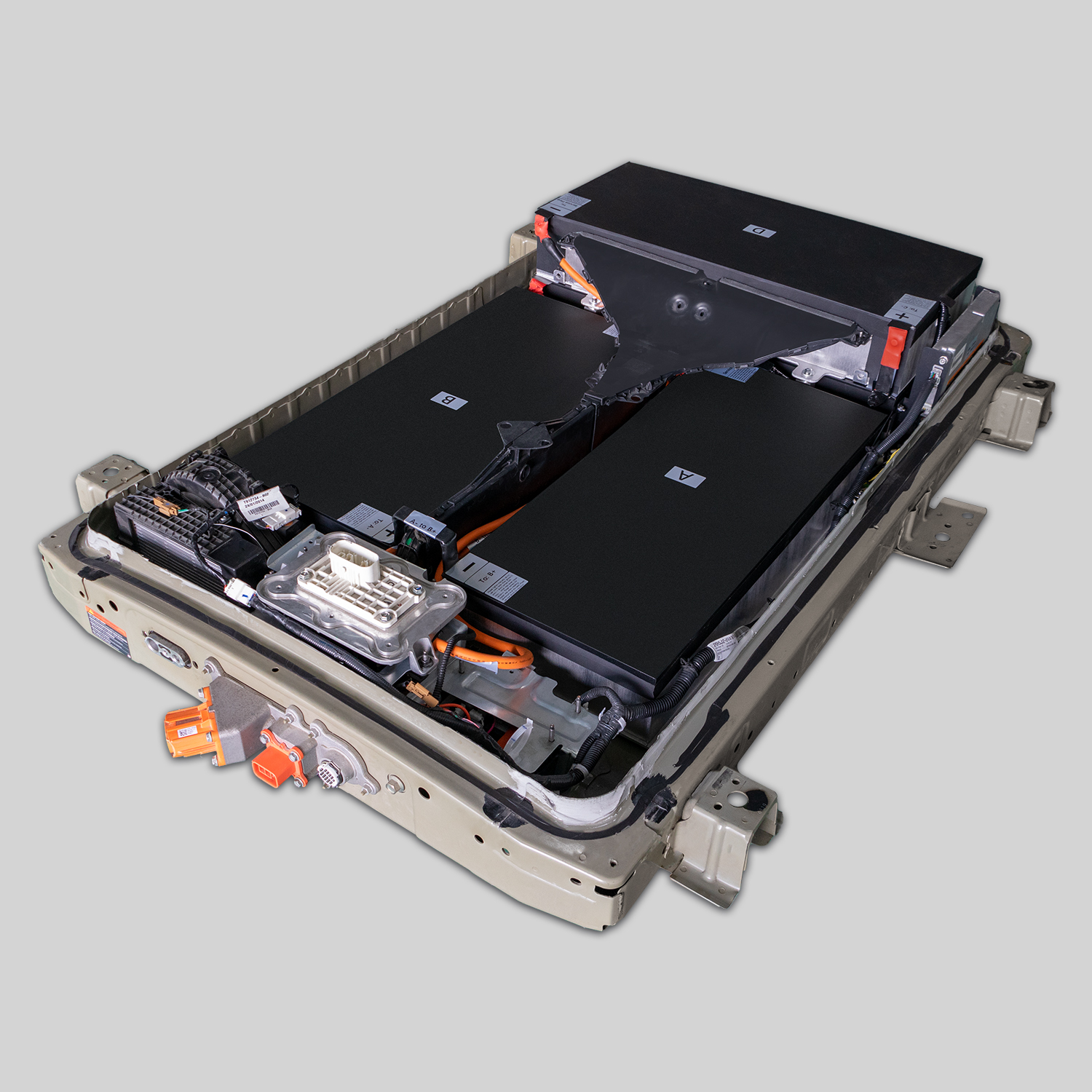
First, let’s clarify the terminology. While “Leaf Plus” often refers to the Nissan Leaf Plus model (which featured a 62 kWh battery), in the aftermarket and upgrade community, a “Leaf Plus battery” generally means a high-capacity lithium-ion pack designed to significantly extend the range of standard Leaf models (like the ZE0, AZE0, or ZE1) or the e-NV200.
These packs are engineered to replace the original, lower-capacity batteries (such as 24 kWh or 40 kWh units) and offer a driving range comparable to modern EVs.
Key Features of a Leaf Plus Battery
- High Energy Density: These batteries typically range from 50 kWh to 68 kWh, utilizing premium brand-new CATL cells.
- Extended Range: Expect a full charge range of 300km to 470km (depending on the specific model and temperature), effectively doubling or tripling the range of older Leafs.
- Performance: They are designed to handle higher discharge rates, ensuring your car maintains strong acceleration even at higher states of charge.
The “Muxsan” Standard: What Does it Offer?
The term Muxsan often appears in comparison to high-end replacements. In the context of Nissan Leaf battery discussions, “Muxsan” typically represents the standard capacity or budget-tier options available in the market. These are usually the direct replacements for the original factory specifications (like the 40 kWh packs).
Key Features of a Muxsan-Type Battery
- Standard Capacity: These usually stick to the original 40 kWh specification.
- Cost-Effective: They are generally priced lower than the “Plus” variants.
- Basic Range: A standard pack usually offers a full charge range of approximately 180km to 240km.
- Cell Quality: While some are decent, many standard options in this tier utilize recycled, refurbished, or lower-grade cells to hit a specific price point.
The Showdown: Leaf Plus Battery vs Muxsan
To help you visualize the trade-offs, let’s break down the comparison into the factors that matter most to you: your wallet and your freedom on the road.
1. Range and Performance
This is the most critical differentiator. If you frequently drive long distances or dislike the hassle of frequent charging, the Leaf Plus battery is the superior choice. Upgrading from a 40 kWh (Muxsan tier) to a 62 kWh or 68 kWh (Leaf Plus tier) unit can add an extra 150km to 200km of range per charge. Imagine going from needing a daily charge to only charging once every few days.
2. Battery Cell Quality and Longevity
This is where many standard options fall short. Based on industry standards and our experience:
- Leaf Plus (Premium Tier): Utilizes brand-new, A-grade cells (like CATL). These cells have a stable chemical structure, ensuring the battery maintains its health for years.
- Muxsan (Standard Tier): Often relies on recycled, salvaged, or B-grade cells. These cells may have already undergone hundreds of charge cycles, leading to a significantly shorter lifespan. You might face another replacement in just 1-2 years.
3. Warranty and Peace of Mind
When you invest in a battery, you are buying peace of mind.
- Leaf Plus (Premium Tier): Reputable suppliers offer extended warranties, such as 24 months or 80,000 km. This coverage includes protection against defects and often guarantees a minimum capacity retention (e.g., 70%).
- Muxsan (Standard Tier): Warranties are often shorter (e.g., 12 months) or non-existent. The lack of a robust warranty means you bear the full risk of a potential failure.
4. Price vs. Value
While a standard Muxsan option might seem cheaper upfront, the math changes when you consider longevity and performance.
- The Muxsan Trap: A low price for a refurbished battery often leads to “false economy.” If the battery swells, fails, or loses capacity rapidly, you end up paying again soon.
- The Leaf Plus Value: Paying slightly more for a brand-new, high-capacity pack means you get a “new” EV experience. You save money in the long run because you won’t need to replace it again for a decade.
Why Choose a Premium Replacement for Your Nissan Leaf?
If you are reading this, you likely love your Leaf or e-NV200 but need a reliable solution. You don’t want to buy a whole new car just because the battery died.
At CNS BATTERY, we specialize in providing Original Equipment Manufacturer (OEM) compatible solutions that bridge the gap between the “Leaf Plus” dream and reality.
Our Promise to You
We understand the hesitation when buying such a critical component online. That is why we focus on what the standard “Muxsan” tier often lacks:
- Brand-New CATL Cells: We do not use recycled or refurbished cells. Our packs are built with the same quality cells found in new factory batteries, ensuring maximum safety and lifespan.
- Unbeatable Warranty: We back our high-capacity packs with a 2-year / 80,000 km warranty. This is double what many standard suppliers offer, reflecting our confidence in the product.
- Plug-and-Play Compatibility: Whether you drive a Leaf ZE0, AZE0, ZE1, or an e-NV200, our batteries are engineered to fit perfectly. There is no cutting, splicing, or modification required. It is a direct replacement.
- Expert Support: We know DIY can be daunting. We provide video call installation guidance and 24-hour technical support to ensure your installation is smooth, regardless of your mechanical skill level.
Conclusion: Make the Smart Investment
Choosing between a Leaf Plus battery and a Muxsan (standard) option is ultimately a choice between temporary relief and a long-term solution.
If you want to revive your Nissan Leaf or e-NV200 to its former glory—or even surpass it with a longer range—we recommend opting for a premium, high-capacity replacement. Don’t settle for a battery that might fail in a year; invest in brand-new technology that will keep you on the road for the next 100,000 km.
Ready to upgrade your range? Get a free, no-obligation quote today and see how much you can save compared to the dealership.
Get Your Free Custom Quote Now
Frequently Asked Questions (FAQ)
1. Is it worth upgrading my old Nissan Leaf to a Leaf Plus battery?
Absolutely. If you have a 24 kWh or 40 kWh Leaf, upgrading to a 62 kWh or 68 kWh “Plus” style battery transforms the car. The price of a premium aftermarket replacement is roughly 50% less than a dealership battery, yet it offers the same range as a brand-new Leaf Plus. It is the most cost-effective way to eliminate range anxiety.
2. What are the risks of buying a “Muxsan” or cheap standard battery?
The primary risks involve battery cell quality and lifespan. Cheap batteries often use cells salvaged from crashed cars or industrial waste. These cells degrade rapidly, may swell, or fail completely within months. You also risk poor Battery Management System (BMS) programming, which can lead to charging failures or even safety hazards.
3. How long does a new Leaf Plus battery last?
A brand-new lithium battery pack, like those we provide using CATL cells, typically lasts 8 to 10 years or 200,000 to 300,000 km under normal driving conditions. This is significantly longer than a refurbished “Muxsan” tier battery, which may only last 1-3 years.
4. Can I install the battery myself?
Yes, our batteries are designed for DIY installation. The process is plug-and-play, meaning you simply unbolt the old pack and bolt in the new one, connecting the same cables. We provide detailed video tutorials and manuals. For the BMS programming, our team offers remote video support to guide you through the process in real-time.