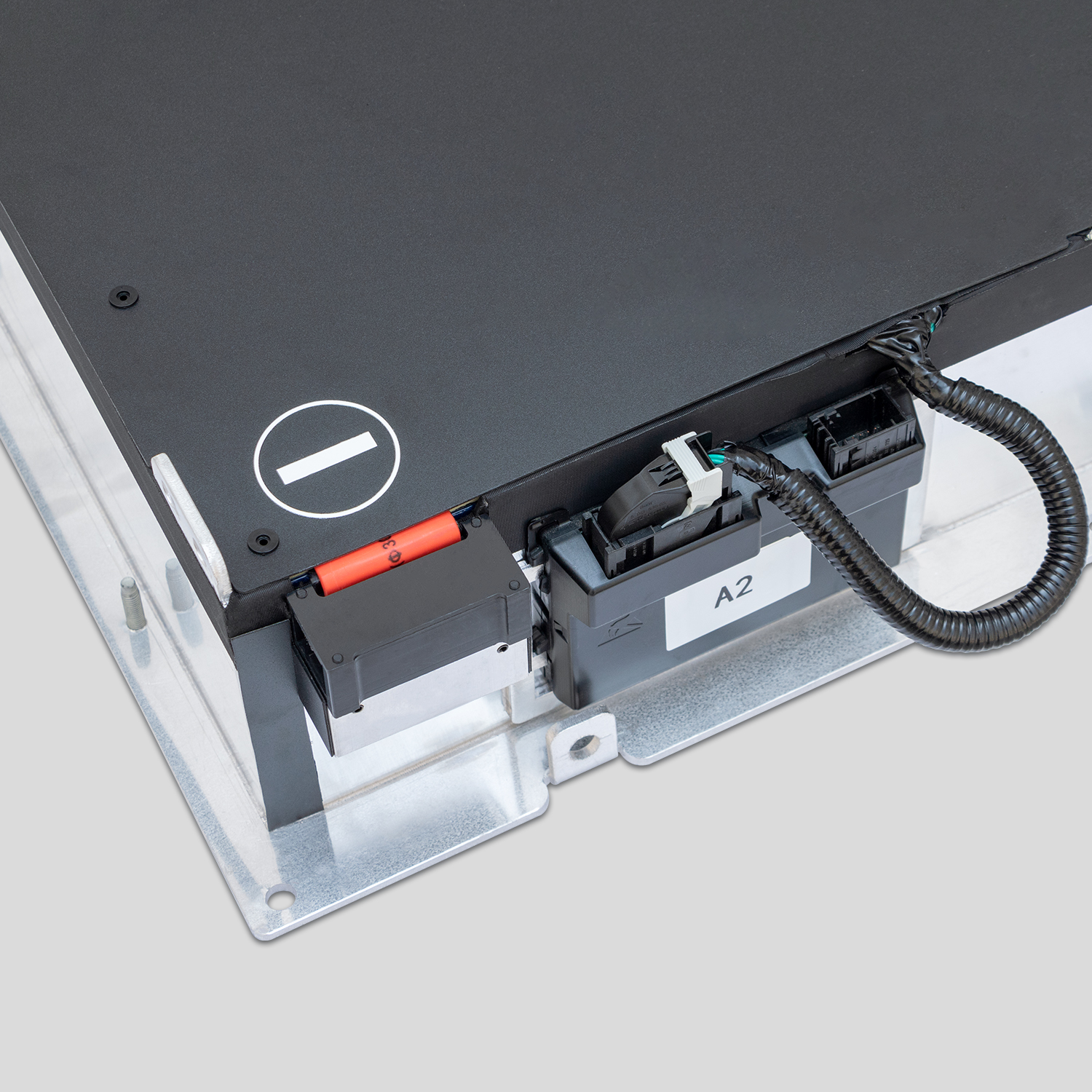
Revive Your Ride: Expert Guide to Extending Nissan Leaf Battery Life
If you own a Nissan Leaf, you know the feeling. The dashboard lights up, the range plummets, and suddenly your reliable daily commuter feels limited. You’re not alone. As a dedicated EV battery specialist, I’ve seen countless Leaf owners face the dreaded “range anxiety” when their original battery capacity drops below 70%.
But here is the good news: you don’t have to trade in your car or pay exorbitant dealership prices. At CNS BATTERY, we specialize in breathing new life into Nissan and BMW EVs. We understand the frustration of a degraded battery, which is why we offer high-performance, OEM-compatible replacements that restore your vehicle to its former glory—and often beyond.
In this guide, I will walk you through practical, expert-backed strategies to maximize your Leaf’s battery health. We will also explore how upgrading to a new, high-quality battery pack can be the ultimate solution to avoid the rapid range drop.
🛑 The “12-Bar” Reality: Understanding Battery Degradation
Before we dive into the solutions, let’s understand the problem. Nissan Leaf batteries, like all lithium-ion batteries, degrade over time. This is measured in “bars” on your dashboard.
- The 12-Bar Myth: A brand-new Leaf typically shows 12 bars. As the battery ages, this number drops.
- The Rapid Drop Point: Often, the decline is gradual until you hit around 9-10 bars. After this point, the degradation can accelerate rapidly, leaving you with only 6-8 bars and a drastically reduced range.
Why does this happen?
Extreme temperatures, frequent DC fast charging, and consistently running the battery to 0% or 100% can stress the cells. However, the primary culprit is simply time and the chemical aging of the cells.
💡 5 Proven Strategies to Maximize Battery Health
If you want to squeeze every last mile out of your current battery, follow these expert tips:
1. Master the Art of Charging
The 20%-80% Rule: While it is tempting to charge to 100% every night, it is better for longevity to keep the charge between 20% and 80%. If you are using a Level 2 charger at home, setting a charge limit can significantly reduce stress on the battery.
Avoid “Topping Off”: Try to unplug once the charge is complete. Leaving the car plugged in at 100% for days on end creates a state of “float charge” that wears out the cells faster.
2. Temperature Management is Key
Preconditioning: If you have a Leaf with the CHAdeMO port, use the “Leaf to Home” or app features to precondition the battery while it is still plugged in. Warming the battery before a fast charge (or cooling it in summer) ensures the charging process is efficient and less damaging.
Parking Strategy: Whenever possible, park in the shade during summer or in a garage during winter. Extreme cold reduces range instantly, while extreme heat accelerates chemical aging.
3. Drive Smoothly, Not Fast
Regenerative Braking: Use the e-Pedal (if equipped) or the standard regenerative braking effectively. Hard acceleration draws massive current, generating heat that degrades the battery. Smooth driving keeps the battery cooler and extends its usable life.
4. Avoid Deep Discharges
Never Drain to Zero: Try to never let your battery hit 0%. Deep discharges can cause irreversible damage to the lithium-ion cells. If you see the warning light, charge immediately.
5. Schedule Regular Maintenance
Software Updates: Nissan occasionally releases Battery Management System (BMS) updates that can optimize charging algorithms.
Physical Inspection: Check for debris around the battery cooling intakes. For older models (ZE0), ensuring the cooling fan is operational is critical.
🚀 When to Upgrade: The Ultimate Range Solution
Despite your best efforts, there comes a time when maintenance is no longer enough. If your Leaf has dropped below 8 bars, or if you are facing a “Battery Capacity Reduced” warning, it is time to consider a replacement.
This is where CNS BATTERY steps in. We do not just sell batteries; we offer a second life for your EV.
Why Choose a CNS Replacement?
We manufacture OEM-compatible lithium battery packs specifically for Nissan Leaf models (ZE0, AZE0, ZE1) and BMW i3. Here is why our customers choose us over the manufacturer:
| Feature | Standard Manufacturer Battery | CNS BATTERY |
|---|---|---|
| Cell Quality | Original Factory Grade | Brand New CATL Cells (Top-tier performance) |
| Price | $12,000 – $16,000+ | Save 50%+ (Highly Competitive) |
| Warranty | Standard Coverage | 2 Years / 80,000 km (Unbeatable in the industry) |
| Capacity Options | Limited to Original Specs | 40kWh to 68kWh (Upgrade options available) |
The CNS Advantage
Our batteries are engineered to original factory standards but built with brand-new, high-density CATL cells. This means you can upgrade your old 24kWh or 30kWh Leaf to a 62kWh or even 68kWh pack, effectively doubling your range.
Real-World Results:
- Mark T. (California): Upgraded his 2015 Leaf ZE0 from 40kWh to 62kWh. His range jumped from a struggling 120km to a robust 430km.
- Javier R. (Paris): Installed a 68kWh pack on his 2014 Leaf. Even in winter, he maintains 400km of range.
These are not just refurbished units; they are new powertrains designed for ultimate safety and longevity.
🛠️ The Installation Process
You might be worried that replacing the battery is a complex, dangerous task. It doesn’t have to be.
- Pre-Sale Compatibility Check: Before you buy, we offer a free VIN check to ensure the battery fits your specific Leaf model perfectly.
- Plug-and-Play Design: Our packs are designed for direct OEM replacement. The connectors match the original harnesses, meaning no splicing or modifications are required.
- Expert Support: If you are a DIY enthusiast, our step-by-step video tutorials guide you through the process (usually taking 1-2 hours). If you get stuck, our technical support team offers remote video guidance to help you program the BMS.
For repair shops, we offer bulk procurement and OEM customization, making us the go-to supplier for EV mechanics worldwide.
📝 Conclusion: Drive with Confidence Again
Extending your Nissan Leaf’s battery life starts with smart charging habits and temperature management. However, when the inevitable degradation hits, don’t let your car sit in the driveway.
Investing in a CNS BATTERY replacement is the most cost-effective way to restore your vehicle’s range and reliability. With savings of over 50% compared to the manufacturer, a comprehensive 2-year warranty, and the assurance of brand-new CATL cells, you are not just fixing a problem—you are upgrading your driving experience.
Don’t let a bad battery ruin your EV journey. Get a Free Custom Quote today and see how we can put your mind at ease.
❓ Frequently Asked Questions (FAQ)
1. How long does a Nissan Leaf battery typically last?
Most Nissan Leaf batteries last between 8-10 years or 100,000-150,000 miles before significant degradation occurs. However, this varies greatly based on climate and driving habits. Our CNS batteries are built to exceed this standard, offering a minimum of 2 years / 80,000 km warranty.
2. Can I install the battery myself?
Yes, many of our customers are DIY enthusiasts. The process is generally plug-and-play, but it requires mechanical skill and safety precautions (like disconnecting the 12V battery first). We provide detailed installation videos and PDF guides. For those unsure, we offer remote video support to guide you through the BMS programming.
3. Will a new battery fix the “Reduced Power” warning?
Absolutely. The “Reduced Power” or “Battery Capacity Reduced” warnings are usually caused by degraded cells or BMS errors. Replacing the pack with a brand-new CNS unit eliminates these errors and restores full power and charging capability.
4. Are CNS batteries compatible with all Nissan Leaf models?
We support a wide range of models, including the Leaf ZE0, AZE0, and ZE1, as well as the Nissan e-NV200. We also offer solutions for BMW i3, i4, and i8 models. To confirm compatibility with your specific VIN, please contact our support team.
Ready to upgrade your range? Contact our technical experts now for a free customization quote.