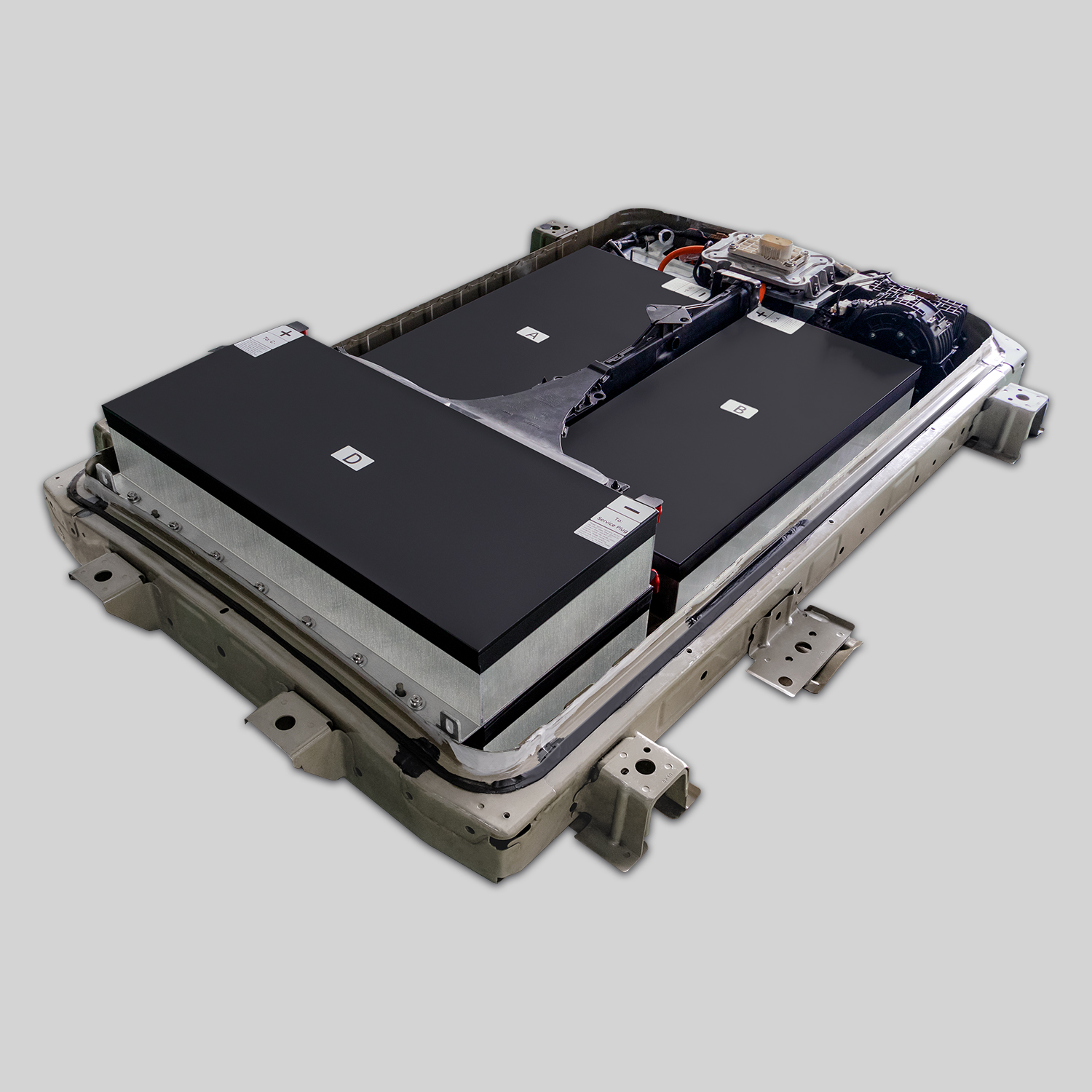
Here is the SEO-optimized article tailored for Nissan and BMW EV owners, specifically designed to address insurance documentation concerns while highlighting the value proposition of CNS BATTERY.
🛡️ How to Document a Battery Swap for Insurance Purposes: A Comprehensive Guide
If you are reading this, you are likely facing a critical juncture with your Nissan Leaf or BMW i3. The original battery has degraded, and the dealership quote is astronomical. You are considering a high-quality aftermarket solution—specifically a brand-new CATL battery cell pack from a reputable supplier like CNS BATTERY—but you have a valid concern: “How do I document this battery swap for insurance purposes to ensure my vehicle remains covered?”
This is a question we get asked daily by our customers in the US, Europe, and around the globe. As an expert in EV powertrain customization, I understand that while saving 50%+ on the cost of a new battery is appealing, maintaining your insurance coverage is non-negotiable. This guide will walk you through the exact steps to legally and safely document a battery replacement, ensuring you get the performance boost without the policy pitfalls.
🚗 Why Documentation Matters: Safety vs. Salvage
Before we dive into the “how,” let’s address the “why.” Insurance companies are wary of EV battery swaps because many aftermarket options use refurbished or recycled cells. These used cells pose safety risks (swelling, thermal runaway) and performance inconsistencies, which is why some insurers automatically void coverage or hike premiums for non-OEM parts.
However, the landscape changes when you use a brand-new, OEM-compatible battery built with pristine cells from top-tier manufacturers like CATL.
At CNS BATTERY, we specialize in providing Original Equipment Manufacturer (OEM) compatible lithium-ion packs. Our batteries are not patched-together salvage; they are engineered to meet original factory standards. This distinction is crucial for your documentation because it allows you to present the swap as a “like-for-like” replacement rather than a risky modification.
✅ Step-by-Step: Documenting Your Swap
Documenting a battery swap isn’t just about filling out forms; it is about proving the quality and safety of the component installed. Follow these steps to build an airtight case for your insurer.
1. Gather Your Paper Trail (The “Provenance”)
The most critical document is the Invoice and Bill of Lading from the supplier.
- What to look for: Ensure the invoice explicitly states “Brand New Lithium-Ion Battery Pack” and lists the manufacturer (e.g., CATL cells).
- Why it matters: This proves you did not install a used or “salvage” battery. For insurers, the fear is unknown history. A new battery has a known, clean history.
- CNS Tip: When you purchase from CNS, we provide detailed commercial invoices that clearly mark the goods as “New Automotive Batteries,” which simplifies this step immensely.
2. Obtain Technical Compliance Certificates
Generic batteries lack the necessary safety certifications. To satisfy insurance requirements, you need proof that the battery meets international safety standards.
- Required Docs: Ask your supplier for UN38.3 (Lithium Battery Safety Testing), MSDS (Material Safety Data Sheet), and any regional certifications (like DOT for the US or E-Mark for Europe).
- The CNS Advantage: Our batteries are built to comply with strict transport and safety regulations (IATA, IMDG). We provide these documents upon request, proving your battery is not a “homemade” project but a certified industrial product.
3. The VIN & Compatibility Check
Insurers want to know the battery is specifically designed for your vehicle.
- The Process: Before purchasing, reputable suppliers (like us) require your VIN (Vehicle Identification Number). We cross-reference this to ensure the Battery Management System (BMS) and physical dimensions are a perfect match for your Nissan or BMW model (e.g., Leaf ZE1, BMW i3).
- Documentation: Keep the email or certificate where the supplier confirmed “OEM Compatibility.” This proves the battery integrates seamlessly with your car’s existing safety systems.
4. Professional Installation Record
While DIY is possible, for insurance purposes, proof of professional installation is golden.
- The Proof: If you use a mechanic, get a stamped receipt stating “Battery Replacement performed per manufacturer specifications.”
- The DIY Dilemma: If you install it yourself (which our plug-and-play kits make easy), document the process. Take photos of the old battery next to the new one, and keep the log of the BMS programming. While not as strong as a mechanic’s stamp, this shows due diligence.
⚖️ OEM vs. Aftermarket: The Insurance Perspective
To help you understand how insurers view different options, here is a quick comparison table. This is the data you need to present to your agent to justify your choice.
| Comparison Factor | Refurbished/Salvage Battery | Generic Aftermarket | CNS BATTERY (New OEM-Compatible) |
|---|---|---|---|
| Cell Quality | Used, degraded cells | Unknown/Inconsistent | Brand New CATL Cells |
| Warranty | Often None or Short | Limited | 24 Months / 80,000 km |
| Safety Risk | High (Swelling/Failure) | Medium | Low (Certified Standards) |
| Insurance View | Likely to void policy | May require declaration | Treated as Standard Repair |
Expert Insight: By choosing a battery with a long warranty (like our 2-year guarantee) and verifiable new cells, you shift the narrative from “risky modification” to “cost-effective maintenance.”
💡 Real-World Example: Mark’s Story
Let me share a real case from our records. Mark T. from California replaced his 2015 Nissan Leaf ZE0 battery.
- The Problem: The dealership quoted $16,000. His insurance wouldn’t cover a “wear and tear” item.
- The Solution: He bought a 62kWh CNS battery for half the price.
- The Documentation: Mark sent his insurer three things: 1) Our invoice stating “New Battery,” 2) The UN38.3 safety certificate, and 3) The VIN compatibility confirmation.
- The Result: His insurer accepted it as a standard repair. Mark now enjoys a 430km range, and his premiums didn’t budge.
📝 Final Checklist Before You Buy
Before you finalize your battery purchase to ensure smooth insurance documentation, verify the following with your supplier:
- Is the battery built with Brand New Cells? (Avoid anything labeled “Grade A” or “Reconditioned” if insurance is a concern).
- Do they provide a Commercial Invoice? (Not just a PayPal receipt).
- Is there a BMS Log? (Proof that the new battery communicates correctly with your car).
- Is the Warranty Transferable? (A solid warranty backs up the safety claim to your insurer).
❓ Frequently Asked Questions
Q1: Will my insurance company cover a non-OEM battery?
A: Most major insurers cover “like-for-like” replacements. If the battery is new, certified, and installed correctly, it is considered a repair, not a modification. Always disclose it, but provide the safety certificates (UN38.3, etc.) to prove its legitimacy.
Q2: What if I install the battery myself?
A: You can still get coverage, but it is riskier. Document the installation thoroughly. Take photos of the packaging (proving it was new), the installation steps, and the final BMS sync screen. Having a mechanic sign off on the final electrical safety check is highly recommended.
Q3: How do I prove the battery is safe to my insurer?
A: Provide the Material Safety Data Sheet (MSDS) and the UN38.3 Test Summary provided by the manufacturer. These documents prove the battery has passed rigorous safety tests for transport and usage, which is the gold standard for insurers.
🚀 Ready to Upgrade with Confidence?
Documenting your battery swap doesn’t have to be a headache. By choosing a high-quality, certified solution like those offered by CNS BATTERY, you are not just saving money—you are investing in peace of mind.
We provide all the necessary paperwork, from detailed invoices to safety compliance certificates, to make your insurance declaration process smooth and stress-free.
Don’t let a dead battery kill your EV dreams. Get your documentation-ready quote today.