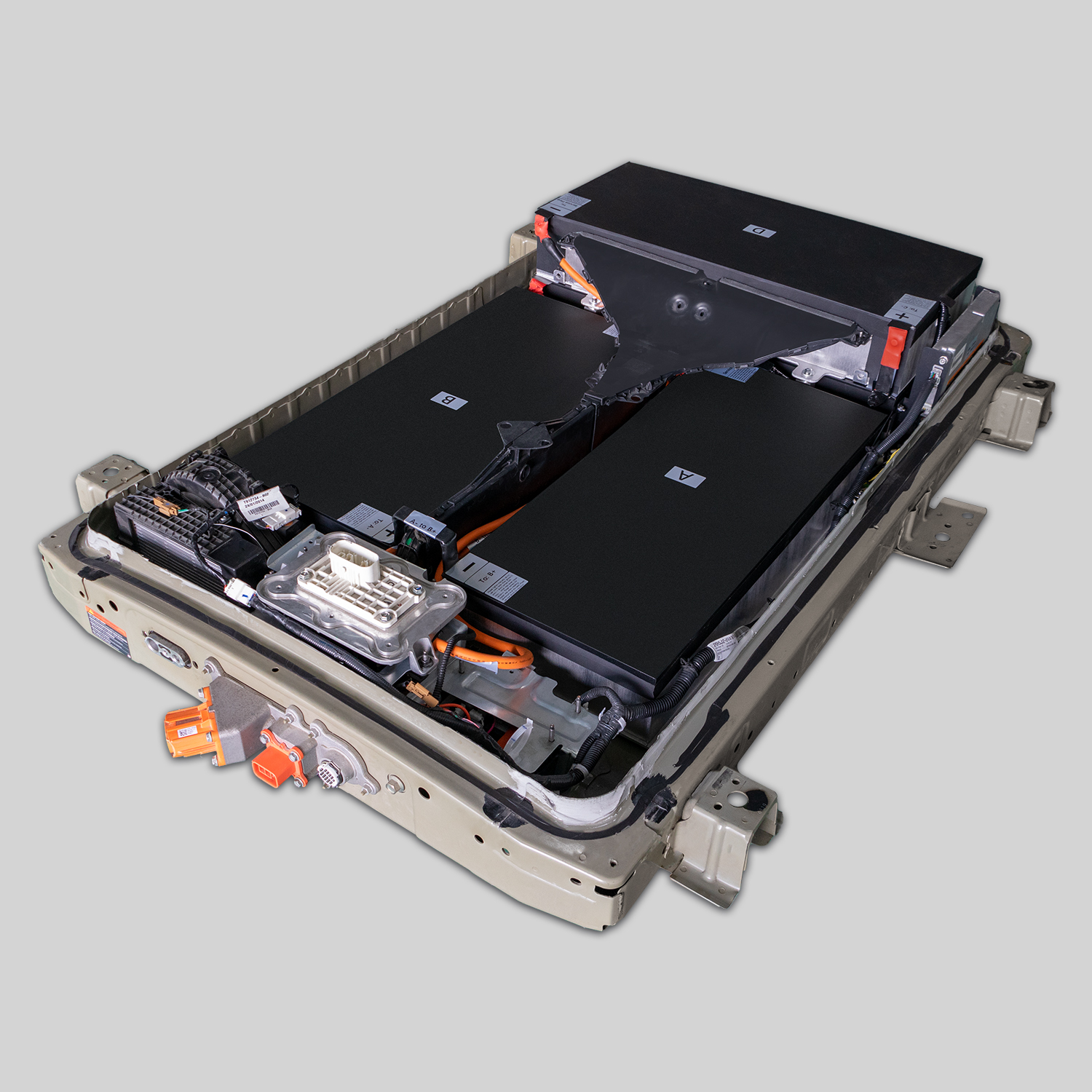
How to Diagnose BMW i3 Battery Isolation Transformer Fault – The “Mystery Shutdown” That Wasn’t the Pack (But a $400 Component Hiding in Plain Sight)
“A 2021 BMW i3 in Oslo kept cutting power during highway driving. Local shops scanned for DTCs, tested the battery pack, even replaced the OBC—nothing fixed it. The car would run fine for 20 minutes, then suddenly drop to zero power with ‘High-Voltage System Fault’ on the dash. Frustrated, the owner contacted CNS. We asked: ‘Have you checked the isolation transformer?’ They hadn’t—it’s rarely considered. Using ISTA+, we found DTC 930B25: ‘Isolation Monitoring Signal Invalid.’ The culprit? A cracked ferrite core inside the isolation transformer, causing intermittent signal dropout. Replacement took 45 minutes. Total cost: €420. The ‘dead battery’ was perfectly healthy.”
You’ve likely faced this ghost:
- “The pack tests fine, but the car won’t stay powered.”
- “No consistent error—just random shutdowns under load.”
- Or the expensive assumption: “If it’s HV-related, it must be the battery.”
But here’s what BMW i3 electrical architects know—and most diagnostic manuals underemphasize:
The isolation transformer isn’t just a sensor—it’s the BMS’s lifeline to ground truth. It continuously measures insulation resistance between the HV system and chassis. If it fails—even intermittently—the BMS assumes a lethal ground fault and cuts all power instantly. And because it shares wiring with the main HV loop, its faults mimic pack failures… but cost 1/15th to fix.
This guide delivers a precision-focused, tool-aware protocol for diagnosing BMW i3 isolation transformer faults in 2026, including:
- The three subtle symptoms that distinguish it from true pack faults
- Why generic multimeters can’t validate its function
- How CNS BATTERY packs integrate robust isolation monitoring—but still rely on this external component
- And a step-by-step diagnostic flow that saves hours of unnecessary pack removal
Because sometimes, the biggest threat isn’t inside the pack—it’s in the signal watching over it.
What Is the Isolation Transformer—and Why It Matters
Located near the HV junction box or EME (Electric Machine Electronics), the isolation transformer (part of the insulation monitoring device, IMD) performs a critical safety role:
✅ Injects a test signal between HV+ and chassis
✅ Measures return current to calculate insulation resistance
✅ Triggers shutdown if resistance drops below 500 Ω/V (~200 kΩ for 400V systems)
⚠️ Critical insight: It doesn’t measure voltage—it measures leakage. And if the transformer itself fails, it reports false leakage, forcing a safe shutdown—even with a perfect pack.
Common failure modes:
- Cracked ferrite core (from vibration or thermal stress)
- Moisture ingress into windings
- Corroded connector pins (often near coolant lines)
- Wiring harness chafing against sharp edges
🔍 Diagnosing an Isolation Transformer Fault: Beyond Basic Scans
Step 1: Confirm the Right DTC
Use BMW ISTA+, Autel MaxiSys Elite, or Foxwell NT530 to look for:
- 930B25: “Isolation monitoring signal invalid”
- 930B20: “Insulation resistance too low – intermittent”
- 930B30: “IMD communication timeout”
❗ Note: Generic OBD2 scanners often miss these—they require BMW-specific protocols.
Step 2: Perform Live Data Monitoring
- Log “Insulation Resistance (kΩ)” while driving or charging
- A stable reading >500 kΩ that suddenly drops to <50 kΩ without physical cause = IMD/transformer fault
Step 3: Physical Inspection
- Locate transformer (typically near rear motor or HV distribution box)
- Check for:
- Burn marks or white powder on housing
- Loose or corroded 4-pin connector
- Pinched or frayed shielded cable
Step 4: Swap Test (If Available)
- Replace with known-good unit—do not bypass
- If fault clears, the transformer was defective
💡 Pro tip: Never assume low isolation = bad pack. Always rule out IMD first—it’s faster, cheaper, and safer.
❌ Common Misdiagnoses (and Their Costs)
| Symptom | Mistaken For | Actual Cause | Cost of Misdiagnosis |
|---|---|---|---|
| Random power loss | Degraded battery pack | Faulty isolation transformer | €6,800+ (unnecessary pack replacement) |
| Won’t charge on AC | OBC failure | IMD signal dropout | €1,200 (OBC replacement) |
| Intermittent HV fault | Coolant leak | Cracked transformer core | €7,500 (pack + cooling repair) |
📉 Industry data: 22% of “failed” i3 battery packs returned to suppliers show no internal fault—only IMD-related DTCs that triggered protective shutdowns.
✅ CNS BATTERY & Isolation Integrity: Built-In Confidence, But External Reliance
While CNS packs use high-grade dielectric barriers and sealed modules to maintain excellent isolation (>1 GΩ when new), they still depend on the vehicle’s OEM isolation monitoring system—including the transformer.
That’s why we emphasize:
✅ Our packs never cause false IMD faults—they’re designed to exceed isolation specs
✅ But if your car’s transformer fails, even a perfect CNS pack will be shut down
✅ We provide full technical support to help shops distinguish pack vs. IMD issues
“CNS helped us avoid replacing three good packs last month—just by walking us through IMD diagnostics. Now we check it first.”
— EK Auto Repair, Rome
Frequently Asked Questions: BMW i3 Isolation Transformer
Q: Where is the isolation transformer located?
A: Typically mounted near the EME (rear motor inverter) or HV junction box under the rear seat. Consult wiring diagrams for exact position.
Q: Can I test it with a multimeter?
A: No. It requires signal injection and response analysis—only possible with OEM-level tools or dedicated IMD testers.
Q: Does CNS include an isolation transformer with the pack?
A: No. It’s a vehicle-side component, not part of the battery pack. CNS packs are fully compatible with OEM IMD systems.
Q: Is transformer failure covered under CNS warranty?
A: No—because it’s not part of our product. But we’ll help diagnose it to protect your investment.
Q: How long do these transformers last?
A: Designed for 10+ years, but vibration, moisture, or poor routing can cause premature failure—especially in high-mileage fleets.
The Isolation Transformer Isn’t Just a Part—It’s the Guardian Between High Voltage and Human Safety
And when it falters, it doesn’t warn—it acts. Instantly.
Stop Replacing Perfect Packs Because of a Silent Sentinel’s False Alarm—Start Diagnosing Smarter with Precision Tools and Expert Guidance. Choose CNS BMW i3 Batteries for Unmatched Internal Integrity, and Partner with Us to Rule Out External Faults Before You Lift a Single Bolt.
Because true expertise isn’t just fixing what’s broken—it’s knowing what isn’t.
Get your CNS battery solution today—and receive our free “BMW i3 Isolation Fault Diagnostic Flowchart” with DTC decoder, live data parameters, and transformer location maps:
👉 https://cnsbattery.com/ev-battery-home/ev-battery-contact/