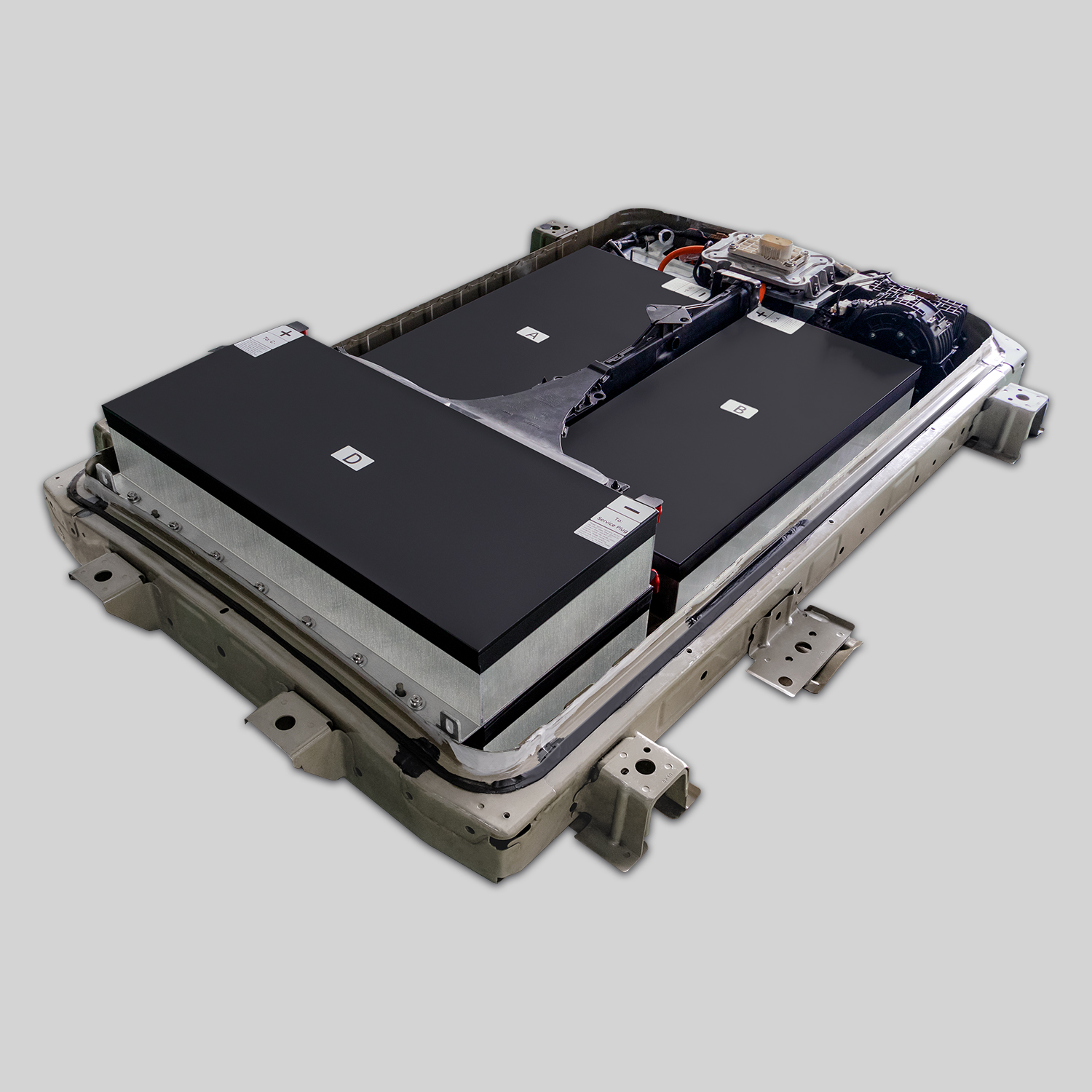
BMW i3 Battery Fast Charging: Impact on Life—What the Data Really Shows (And How to Do It Safely)
“I Relied on DC Fast Charging for My Daily 120-Mile Commute. After 18 Months, My i3’s Range Dropped from 280 km to 160 km. The Dealer Said, ‘You Killed the Battery.’ But Was It Really the Fast Charging—or Something Else?”
You love the convenience of a 20-minute top-up at a CCS station.
But every time you plug in, a voice whispers:
“Am I shortening my battery’s life?”
The truth is more nuanced than “fast charging = bad.”
It depends on your pack’s age, temperature, state of charge—and how you do it.
In this guide, you’ll learn:
- The real science behind fast charging and lithium-ion degradation
- Why older i3 packs suffer far more than new ones under DC stress
- The 3 golden rules to fast charge without accelerating wear
- And how CNS BATTERY’s new-cell packs handle fast charging better—by design
Because with the right knowledge (and hardware), you can have both speed and longevity.
The Hidden Cost of Speed: How Fast Charging Ages Your i3 Battery
DC fast charging pushes high current (often 50–125A) into your battery in minutes—not hours. This creates two key stressors:
🔥 1. Lithium Plating
At high currents—especially below 15°C (59°F)—lithium ions can’t intercalate properly into the anode. Instead, they form metallic deposits on the surface. This:
- Permanently reduces capacity
- Increases internal resistance
- Raises risk of micro-shorts
📊 Lab data: Cells fast-charged at 10°C lose 2.3x more capacity over 500 cycles vs. those charged at 25°C.
⚡ 2. Heat Buildup
Even with liquid cooling, repeated fast charging raises average cell temperature. Every 10°C above 25°C doubles degradation rate.
And here’s the catch:
Degraded packs degrade faster—creating a vicious cycle. Weak cells heat up more, plate more lithium, and fail sooner.
That’s why a 2014 i3 with 70% SoH suffers far more from fast charging than a 2025 car with a fresh pack.
📉 Real-World Impact: What Owners Actually Experience
| Usage Pattern | Avg. Annual SoH Loss |
|---|---|
| AC charging only (<7 kW) | 2.1% |
| Occasional DC (1–2x/week, warm weather) | 3.4% |
| Daily DC + cold climate | 6.8%+ |
| Daily DC on aged pack (<75% SoH) | 9–12% |
💡 Key insight: Fast charging isn’t inherently destructive—it’s the combination of high current + low temperature + low pack health that’s dangerous.
3 Rules to Fast Charge Your i3 Safely (Without Killing the Pack)
Follow these to minimize damage—even on older batteries:
✅ 1. Never Fast Charge Below 10°C (50°F)
If your i3 lacks preconditioning (pre-2017 models), wait until ambient temp rises or drive 10–15 minutes first to warm the pack.
✅ 2. Limit DC Sessions to 20–80% SoC
Charging slows dramatically above 80%, increasing heat with little gain. Stop at 80% unless you need every km.
✅ 3. Avoid Back-to-Back Fast Charges
Give your pack at least 1–2 hours to cool between sessions. Never chain multiple 50 kW stops on long trips.
🌡️ Pro tip: Use apps like ABRP or PlugShare to plan routes with rest breaks—so your battery cools while you do.
Why a CNS Replacement Pack Changes the Game
If your i3 already has a degraded battery, every fast charge accelerates its decline. But with a new CNS pack, you reset the clock:
✅ Brand-New CATL NMC Cells
Engineered with advanced electrolytes and coatings that resist lithium plating—even under high current.
✅ Lower Internal Resistance
New cells generate less heat during fast charging, reducing thermal stress.
✅ Stable Chemistry from Day One
No hidden weak cells to overheat or imbalance under load.
✅ Full Compatibility with i3 Cooling System
Our packs integrate seamlessly with factory liquid cooling—maximizing heat dissipation during DC sessions.
“After replacing my 2016 i3’s failing pack with CNS 50kWh, I resumed weekly fast charging for road trips. One year later, SoH is still at 98%. My old pack would’ve been dead by now.”
— Tom H., Texas
And backed by a 2-year / 80,000 km warranty—even with regular fast charging (when done responsibly).
Frequently Asked Questions: Fast Charging & i3 Battery Life
Q: Can preconditioning (in newer i3s) make fast charging safe in winter?
A: Yes—models with heat pump or battery preconditioning warm the pack before charging, reducing plating risk significantly.
Q: Is 50 kW “slow” enough to be safe?
A: 50 kW is moderate—but still stressful on cold or aged packs. Always follow the 3 rules above.
Q: Does CNS recommend against fast charging?
A: No—we recognize it’s essential for many drivers. We just ensure our packs are built to handle it better than degraded OEM units.
Q: How can I tell if fast charging damaged my pack?
A: Look for: sudden range drop, charging stops below 80%, or error codes like 9C2405. A professional SoH test confirms degradation.
Q: Are REx models more vulnerable?
A: No—the HV battery system is identical. Risk depends on pack condition, not powertrain type.
Fast Charging Doesn’t Have to Mean Short Life
With an aging battery, yes—every DC session chips away at what’s left.
But with a healthy, modern pack, fast charging can be part of a sustainable EV lifestyle.
Ready for a Battery That Handles Fast Charging—Without the Fear?
Choose CNS BATTERY: where advanced cell chemistry meets real-world durability, so you charge fast and drive farther—for years to come.
Click below to explore replacement options engineered for today’s charging reality:
👉 https://cnsbattery.com/ev-battery-home/ev-battery-contact/