⚙️ The Ultimate Guide to Bypassing e-NV200 Combi Active Cooling
If you are an owner of a Nissan e-NV200 Combi (or Evalia) with the Active Cooling option, you might be familiar with a frustrating scenario: your car suddenly limits power or refuses to drive because the “Combi Cooler” has failed. This is a common pain point where the Combi unit—a heavy, expensive, and often obsolete part—becomes the gatekeeper to your vehicle’s drivability.
The good news is that you don’t need to spend thousands replacing the entire cooling system. Bypassing the Combi Active Cooling is a proven technical modification that restores full power to your van, allowing you to use standard, high-performance batteries like the CNS 62kWh pack.
🔍 Understanding the “Combi” Problem
The Nissan e-NV200 Combi variant was designed for refrigerated delivery vans. It features a secondary battery and a complex “Combi Cooler” unit to manage the fridge’s temperature. This system is notorious for two issues:
- The “Heartbeat” Signal: The car’s BMS (Battery Management System) expects a signal from the Combi cooler every few seconds. If the signal is missing (because the cooler is broken or disconnected), the car enters “Limp Mode,” cutting off acceleration.
- The “Ready” Signal: Even if the car starts, it requires a “Ready” signal from the Combi to allow the main traction battery to discharge and provide power.
The Goal of the Bypass: To trick the BMS into thinking the Combi Cooler is functioning perfectly, even when it has been physically removed or disabled.
🛠️ The Bypass Procedure: Technical Overview
This modification involves manipulating the wiring harness that connects the main battery to the vehicle’s chassis. It is a hardware/software hybrid solution, but the physical wiring is the critical first step.
Disclaimer: This is a high-voltage modification. Only qualified technicians should attempt this work. Always disconnect the 12V battery and allow the capacitors to discharge before starting.
Step 1: Locating the Harness
You need to access the wiring harness running from the main battery connector to the Combi unit. This is usually found in the rear left side of the vehicle (driver’s side in RHD models).
Step 2: The “Heartbeat” Bridge
The Combi unit normally grounds a specific wire (often a white/green or specific color-coded wire in the harness) to prove it is alive. To bypass this:
- Cut the wire leading to the Combi unit.
- Ground the wire coming from the BMS (Body Control Module side).
- Result: The BMS constantly receives the “Alive” signal.
Step 3: The “Ready” Loop
The car waits for a signal to allow torque. This requires creating a loop between two specific pins in the harness:
- Identify the “Request” and “Confirmation” wires (specific to the e-NV200 Combi protocol).
- Connect these two wires directly.
- Result: The car thinks the Combi has requested power and confirmed it is safe to drive.
Step 4: Software Calibration (The CNS Advantage)
Wiring alone is often not enough. The BMS software needs to be recalibrated to ignore temperature discrepancies and permanently lock the “Active Cooling” status to “On” in the code.
Why choose a CNS Battery for this upgrade?
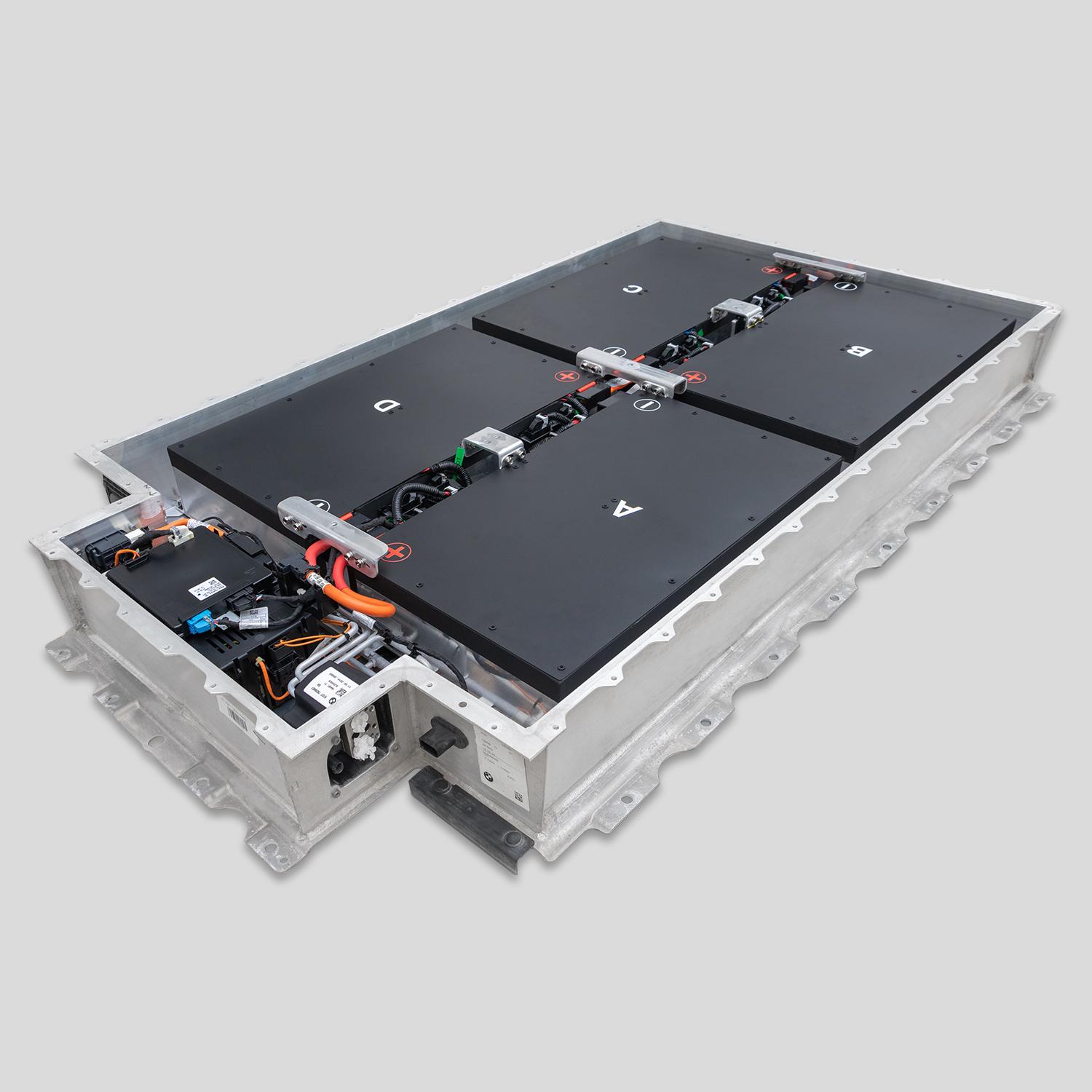
At CNS BATTERY, we don’t just sell you a battery; we provide the complete ecosystem. Our 62kWh lithium battery packs for the e-NV200 are pre-programmed to work seamlessly with the bypassed Combi system. We utilize new CATL cells, ensuring you have the energy density to power your business without the weight and hassle of the old Combi cooler.
📈 Performance Restoration & Upgrades
Once the bypass is complete and the new CNS battery is installed, you restore the vehicle to its original glory—but better.
Performance Comparison: Bypass + CNS Battery vs. Stock
| Feature | Stock e-NV200 Combi (With Cooler) | Bypassed e-NV200 + CNS Battery |
|---|---|---|
| Driving Range | Limited (30 kWh pack) | Extended (40kWh / 50kWh / 62kWh options) |
| Payload | Reduced (due to heavy Combi unit) | Increased (Combi unit removed) |
| Reliability | Low (Prone to cooler failure) | High (Solid-state cooling, no moving parts) |
| Maintenance | High (Coolant leaks, pump failures) | Low (Passive air cooling or integrated new system) |
By bypassing the Combi, you effectively convert your van into a standard e-NV200 configuration, but with the modern advantage of a brand-new, high-capacity lithium pack.
🛡️ Safety & Warranty Considerations
While the bypass is a popular hack, it is crucial to ensure it is done correctly to maintain safety.
- Thermal Management: Removing the Combi cooler means relying on the main battery’s internal thermal management. CNS batteries use advanced Battery Management Systems (BMS) that monitor cell temperature independently, ensuring you don’t overheat even without the Combi unit.
- Warranty: Performing a DIY bypass can void warranties on standard parts. However, when you purchase a CNS Battery, our technical team provides the bypass instructions and software support as part of our service package. We stand by our products with a 2-Year / 80,000 km warranty, covering the battery even in modified Combi configurations.
If you are ready to eliminate the Combi headache and restore full power to your delivery van, contact our technical experts. We provide the hardware, the software tuning, and the support to get you back on the road.
Get Your Free Custom Quote for a Combi-Bypass Compatible Battery
❓ Frequently Asked Questions (FAQ)
1. Is bypassing the Combi cooling legal and safe?
Bypassing the hardware is a mechanical modification that is widely accepted in the EV conversion community. It is safe when paired with a modern battery that has its own robust BMS (like CNS batteries). However, you should check local regulations regarding vehicle modifications in your specific region.
2. Can I use any battery after the bypass?
Technically, yes, but it requires specific BMS programming. Standard replacement batteries might still look for the Combi signals. We recommend using a CNS 62kWh battery as it is pre-configured to work in a “Combi Bypass” mode, ensuring plug-and-play functionality without further coding headaches.
3. What happens to the refrigeration unit after the bypass?
The bypass only affects the drivetrain’s communication with the Combi. If you still need refrigeration, you will need to power the fridge unit independently (usually via a separate DC-DC converter or a standalone lithium setup), as the car will no longer automatically start the cooler when the engine starts.