
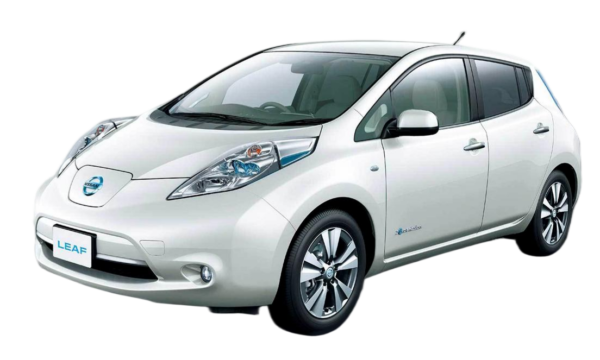
💰 How Much Savings from a New Nissan Leaf 40kWh Battery?
Owning a Nissan Leaf is a fantastic way to embrace electric mobility, but battery degradation is an inevitable reality. When the time comes to replace your aging 40kWh battery pack, the cost can be a significant hurdle.
As a dedicated EV battery specialist, I often see Leaf owners stuck between the rock of a failing battery and the hard place of expensive dealership prices. The good news is that there is a smarter, more affordable path. This guide will break down exactly how much you can save by choosing a new Nissan Leaf 40kWh battery compared to the OEM (Original Equipment Manufacturer) price, and why this is often the best financial decision for your vehicle.
The Sticker Shock: OEM vs. Independent Replacement
Before we dive into the savings, let’s address the elephant in the room: the price difference.
If you walk into a Nissan dealership to replace your 40kWh battery, you are paying for the brand name, the dealership overhead, and often, inflated labor costs. While prices vary by region, the general consensus is that a factory replacement can cost anywhere from $12,000 to $16,000 USD.
Now, let’s look at the alternative. As an industry expert, I recommend exploring high-quality aftermarket solutions designed specifically for the Nissan Leaf. These aren’t refurbished or second-hand units pulled from salvage yards; these are brand-new packs built to OEM standards using top-tier cells.
The Verdict on Savings:
By choosing a premium aftermarket solution, you can expect to save over 50% compared to the dealership price.
| Replacement Option | Estimated Cost (USD) | Your Savings |
|---|---|---|
| Nissan Dealership (OEM) | $12,000 – $16,000 | $0 (Baseline) |
| Premium Aftermarket (New) | $6,000 – $8,000 | Over 50% |
Note: Specific pricing depends on the vendor, cell technology (NMC or LFP), and your specific Leaf model year (ZE0, AZE0, or ZE1).
Why a 50% Discount Doesn’t Mean “Cheap”
I understand the hesitation. When you see a price that is half of the factory cost, the immediate question is: “What’s the catch?”
Based on my experience and technical analysis of the market, the “catch” is simply that you are cutting out the middleman. Reputable manufacturers, like CNS Battery, source the same high-grade brand-new CATL battery cells directly. CATL is one of the world’s largest battery manufacturers and a supplier to many major automakers.
Here is why a new aftermarket battery is a superior investment compared to a used or refurbished pack, and a much smarter deal than the dealer:
1. New Cells vs. Degraded Cells
When you buy from a dealership or a refurbisher, you often don’t know the history of the cells. A new aftermarket battery guarantees you are getting 100% fresh, virgin cells. This means:
- Zero Degradation: The battery starts at 100% health, not 70% or less.
- Longer Lifespan: You get the full life cycle of the chemistry (NMC or LFP).
- No Hidden Damage: No risk of previous accidents, water damage, or cell swelling.
2. Plug-and-Play Compatibility
A major concern for Leaf owners is compatibility with the Battery Management System (BMS) and the car’s software. The best aftermarket manufacturers engineer their packs to match the OEM voltage, capacity, and communication protocols perfectly. There is no “hacking” required; it is a true drop-in replacement.
3. Warranty Protection
Unlike buying a used battery (which often has no warranty or a very short one), a new aftermarket battery comes with a robust warranty. For example, industry-leading providers offer a 2-year / 80,000 km warranty, which often surpasses the coverage offered on refurbished units.
The Hidden Costs of “Saving Money” with Used Batteries
While the initial price of a used or refurbished battery might seem even lower than a new aftermarket pack (sometimes as low as $2,000-$3,000), my professional advice is to avoid them. Here is why choosing the absolute cheapest option often ends up costing you more in the long run:
- The “Time Bomb” Risk: Used batteries are a gamble. You have no idea how many charge cycles they have endured or if the cells are balanced. It is common for used packs to fail within 6 months due to swelling or sudden death.
- Repair Costs: If a used battery fails, you are not just out the cost of the battery; you are paying for labor (mechanic fees) to install and then remove it again.
- Performance Issues: A used battery will have significantly less range than a new one. If your used pack has degraded to 70% health, your “40kWh” battery is effectively a 28kWh battery, severely limiting your driving distance.
Expert Insight: Investing in a new 40kWh pack, even if it costs slightly more than a used one, is investing in reliability and peace of mind.
Maximizing Your Value: Nissan e-NV200 Owners
If you own a Nissan e-NV200, the savings equation works exactly the same way. The e-NV200 shares the same battery technology as the Leaf. Replacing the battery in an e-NV200 at a dealership is prohibitively expensive.
By opting for a new aftermarket 40kWh solution (or upgrading to 50kWh/62kWh), e-NV200 owners can save that same 50%+, turning a commercial van with a dead battery back into a profitable or practical asset.
Your Next Steps: Get a Free Quote
Replacing your Nissan Leaf’s battery is a major decision, but it shouldn’t break the bank. By choosing a new aftermarket 40kWh battery, you are getting a factory-standard product at half the price, with the reliability of brand-new cells.
If you are ready to breathe new life into your Leaf or e-NV200, the first step is simple.
👉 Get Your Free Custom Quote Now
We offer free compatibility assessments. Just provide your VIN or model year, and our technical experts will confirm the perfect battery solution for your specific car, ensuring a perfect fit and the maximum possible savings.
📝 Frequently Asked Questions (FAQ)
Q1: Is a new aftermarket battery really as good as the OEM Nissan battery?
Yes, in terms of core performance. Reputable aftermarket manufacturers use the same high-quality brand-new CATL cells found in many modern EVs. While they may not have the Nissan badge, the electrochemistry, safety standards, and energy density are equivalent or superior to older OEM packs. The main difference is the price.
Q2: How long does the installation take?
For a professional technician, installing a new 40kWh battery typically takes 1-2 hours. It is a straightforward process of disconnecting the old pack and bolting in the new one. Many of our customers report doing it themselves with basic tools by following our step-by-step video guides.
Q3: What models are compatible with the 40kWh replacement?
Our new 40kWh solutions are designed to fit the full range of Nissan Leaf generations:
- Nissan Leaf ZE0 (2011-2015)
- Nissan Leaf AZE0 (2016-2018)
- Nissan Leaf ZE1 (2018-2023)
We also offer solutions for the Nissan e-NV200.
Q4: What kind of warranty do I get?
We stand by the quality of our new batteries. You receive a comprehensive 24-month / 80,000 km warranty. This covers manufacturing defects and includes protection against significant capacity loss, ensuring your investment is protected.

