BMW i3 Battery Overheating: Check Cooling System Before It’s Too Late
You are merging onto the highway on a hot summer day, or perhaps you’ve just plugged into a DC Fast Charger after a long drive. Suddenly, your BMW i3’s performance collapses. The dashboard flashes a terrifying “Drivetrain Malfunction” warning, power is cut by 50%, and the charging speed drops to a trickle. The culprit? BMW i3 battery overheating.
Your first instinct might be to blame the weather or the battery cells themselves. But before you resign yourself to a costly battery replacement, there is a critical component you must inspect immediately: the cooling system.
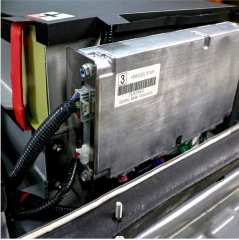
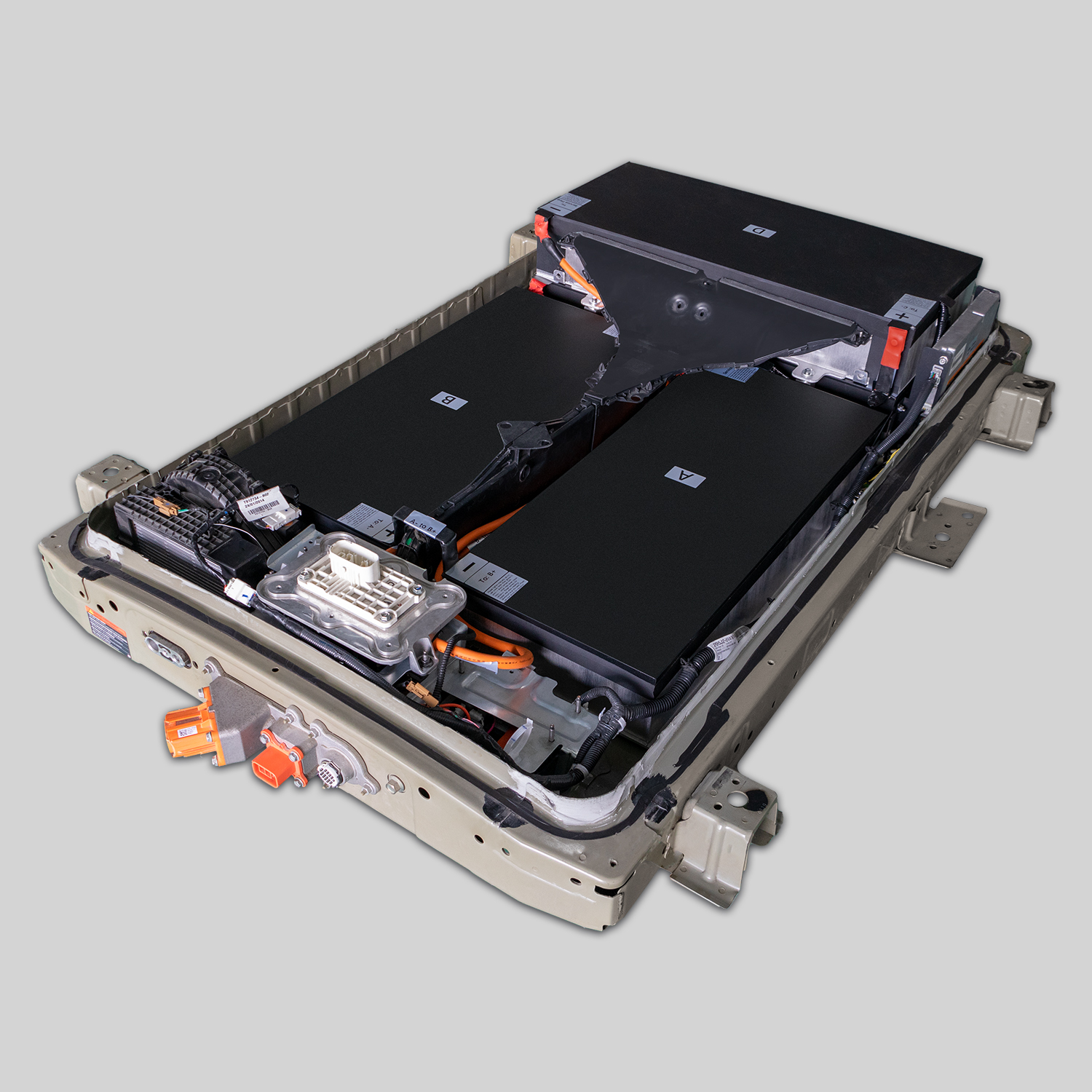
The BMW i3 relies on a sophisticated liquid cooling loop (and air ventilation in earlier models) to keep its high-voltage pack within a safe operating window. If this system fails, your battery isn’t just uncomfortable; it’s in mortal danger. At CNS BATTERY, we see too many owners replace entire battery packs only to realize the root cause was a $200 water pump or a clogged radiator. This guide walks you through how to check your cooling system, identifies the signs of failure, and explains when overheating signals that your battery cells are already too damaged to save.
Why Your i3’s Cooling System is Its Lifeline
Lithium-Ion batteries degrade fastest when exposed to extreme heat. The ideal operating temperature is between 20°C and 30°C (68°F – 86°F). Once temperatures exceed 45°C (113°F), the Battery Management System (BMS) aggressively throttles power to prevent thermal runaway—a condition where the battery generates its own heat uncontrollably, potentially leading to fire.
The cooling system’s job is to whisk this heat away. In 94 Ah and 120 Ah models (and some retrofitted 60 Ah packs), this involves:
- Coolant Pump: Circulates fluid through the battery modules.
- Radiator & Fans: Dissipates heat from the coolant into the air.
- Thermostat: Regulates flow based on temperature.
- Coolant Lines: Connects the components in a sealed loop.
If any part of this chain breaks, heat builds up instantly, triggering the overheating warnings you see on your dash.
Step-by-Step: How to Check Your Cooling System
If your i3 is showing signs of overheating, perform these checks immediately. Warning: Never open the cooling system while the car is hot. High pressure and scalding liquid can cause severe burns.
1. Listen for the Pump
With the car in “Ready” mode (or immediately after turning off following a drive), listen near the rear wheels (where the battery sits). You should hear a faint humming or whirring sound from the electric coolant pump.
- Silence: If the pump is silent when the battery is hot, it has likely failed. This is a common failure point on the i3.
- Grinding Noise: Indicates bearing failure; the pump needs immediate replacement.
2. Inspect the Radiator and Fans
Locate the radiators (typically behind the rear wheel arches or under the side skirts).
- Debris Check: Are they clogged with leaves, bugs, plastic bags, or road salt? A blocked radiator cannot dissipate heat, causing the system to overheat even if the pump works.
- Fan Operation: When the car is hot, the cooling fans should spin up loudly. If they don’t, check the fan fuse or motor.
3. Check Coolant Levels
Once the car is completely cold, locate the coolant expansion tank (usually in the front trunk/frunk area for newer models, or accessible via underbody panels for older ones).
- Low Level: If the fluid is below the “MIN” mark, you have a leak. Common leak points include hose connections, the pump housing, or the radiator itself.
- Discoloration: BMW coolant should be blue/green. If it looks brown, rusty, or oily, the internal chemistry is compromised, reducing its ability to transfer heat.
4. Scan for Codes
Use a diagnostic tool (like BimmerLink or ISTA) to read specific cooling system codes. Look for:
- “Coolant Pump Activation Fault”
- “Thermostat Stuck Open/Closed”
- “Coolant Temperature Sensor Plausibility”
The Critical Question: Is the Battery Already Damaged?
Here is the hard truth that many mechanics miss: A cooling system failure doesn’t just stop the car; it cooks the battery.
If your i3 has been running hot for days or weeks due to a failed pump or clogged radiator, the internal cells may have suffered irreversible damage.
- Symptoms of Cooked Cells: Even after fixing the cooling system, the car still throttles power, charges slowly, or shows reduced range.
- High Internal Resistance: Heat damages the internal structure of the cells, increasing resistance. This causes them to generate more heat during normal operation, creating a vicious cycle that overwhelms even a repaired cooling system.
- Cell Imbalance: Uneven heating can cause certain modules to degrade faster than others, leading to high voltage deviation and premature pack failure.
If your diagnostic scan shows high cell deviation (>0.05V) or low State of Health (<75%) after fixing the cooling issue, the battery itself is the problem now. No amount of coolant repair will restore chemically aged cells.
The CNS BATTERY Solution: Fix the Root Cause
If your cooling system failure has led to permanent battery degradation, or if you simply want to upgrade to a pack that handles heat better, CNS BATTERY offers the ultimate solution.
We don’t just sell batteries; we provide thermally resilient powertrains designed to outperform the original factory units.
Why Upgrade with CNS BATTERY?
- Superior Thermal Stability: Our modern Grade-A cells have lower internal resistance and generate less heat during charging and driving compared to aged OEM cells. They are easier for your cooling system to manage.
- Advanced Chemistry: Newer cell formulations are more resistant to thermal degradation, meaning even if you face another cooling hiccup, your new pack is far more robust.
- Capacity Buffer: Upgrading from a degraded 60 Ah or 94 Ah pack to a 120 Ah equivalent gives you a larger energy buffer. Even with thermal throttling, you retain significantly more usable range than your original pack ever did.
- Cost-Effective Reliability: A dealership OEM replacement costs $18,000+. Our complete upgrade solutions typically range from $8,000 to $12,000 USD, offering double the range and better heat tolerance for half the price.
- Comprehensive Warranty: We back our packs with a robust warranty. If heat-related issues arise due to cell defects, we cover it.
Real Story: From “Cooked Pack” to “Cool Operator”
Meet James, a 2016 i3 owner in Arizona. His coolant pump failed silently during a heatwave. He drove for two weeks noticing slight power loss before the car went into full limp mode. A shop replaced the pump ($400), but his range remained stuck at 40 miles, and fast charging was impossible. The heat had permanently damaged his battery cells.
The dealer quoted him $19,000 for a new OEM pack. James contacted CNS BATTERY. We installed a 120 Ah upgrade with modern, heat-resistant cells. “The difference is incredible,” James says. “Even in 110-degree heat, my new battery stays cool, charges fast, and gives me 120 miles of range. The old pack was toast, but this new one is built for the desert.”
Don’t Let Heat Destroy Your EV
BMW i3 battery overheating is a serious warning. Check your cooling system immediately—pump, radiator, fans, and fluid levels. Fixing these mechanical issues is affordable and essential.
But if the heat has already taken its toll on your battery cells, don’t throw good money after bad trying to revive a cooked pack. Upgrade to a solution that thrives in the heat.
Is your BMW i3 showing signs of overheating or reduced performance?
Don’t guess. Contact CNS BATTERY today for a professional assessment. We’ll help you diagnose whether it’s a simple cooling fix or time for a transformative battery upgrade that ensures your car stays cool, powerful, and reliable in any climate.
👉 Get Your Cooling & Battery Assessment Now
Frequently Asked Questions (FAQ)
1. What are the first signs of BMW i3 battery overheating?
Common signs include sudden loss of power (“Limp Mode”), drastically reduced DC fast charging speeds, the cooling fans running loudly constantly, and dashboard warnings like “Drivetrain Malfunction” or “Charge Power Reduced.”
2. Can I drive my i3 if the cooling system fails?
No. Driving with a failed cooling system risks permanent battery damage and potential thermal runaway (fire). If you suspect cooling failure, pull over safely and have the vehicle towed to a specialist.
3. How much does it cost to fix a cooling system vs. replacing the battery?
Fixing a cooling component (pump, radiator, flush) typically costs $400–$1,200 USD. However, if the battery cells were damaged by heat before the repair, a full battery replacement may be needed. Dealerships charge $18,000+ for this, while CNS BATTERY offers upgrades for $8,000–$12,000 USD.
4. Will a new battery from CNS BATTERY overheat less?
Yes. Our modern cells have lower internal resistance and better thermal stability than original 2014-2017 cells. They generate less heat during operation and are more resilient to high ambient temperatures.
5. How often should I check my coolant levels?
Check your coolant levels at least once a year or before every summer season. Low coolant is a leading cause of overheating. If you notice frequent drops, you likely have a leak that needs immediate attention.
6. Can a clogged radiator cause battery degradation?
Absolutely. A clogged radiator prevents heat dissipation, causing the battery to run hotter than designed. Sustained high temperatures accelerate chemical aging, permanently reducing your battery’s capacity and lifespan.
7. If my battery is already heat-damaged, can cooling repairs fix it?
No. Cooling repairs prevent future damage, but they cannot reverse existing chemical degradation. If your cells are already damaged (high resistance, low SOH), a battery replacement or upgrade from CNS BATTERY is the only way to restore range and performance.