
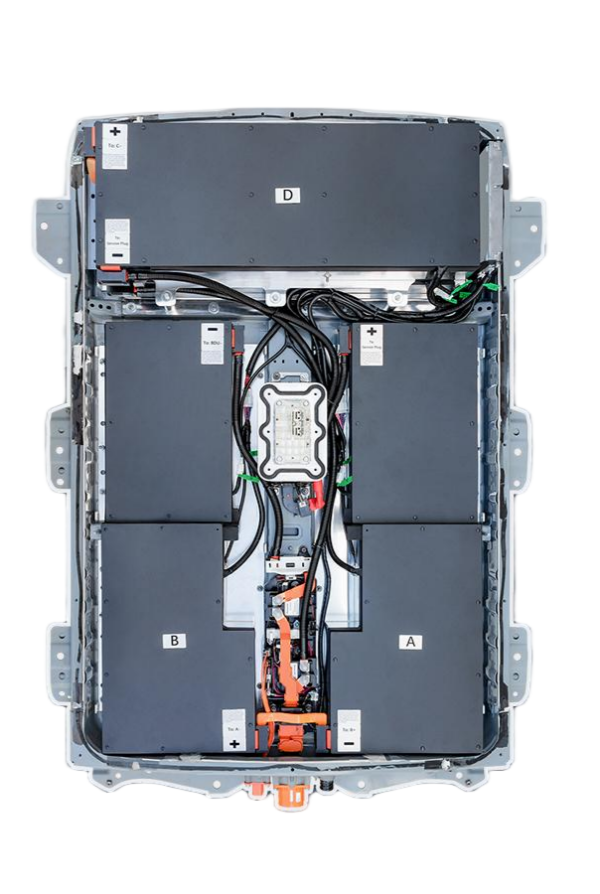
🚗 Maximize Your Mileage: The Truth About Nissan Leaf 62kWh Range (2026 Update)
For Nissan Leaf owners, the fear of “range anxiety” is real. As batteries age, that once-comforting range shrinks, turning weekend trips into logistical nightmares. If you’re looking at a new Nissan Leaf 62kWh battery, you likely have one burning question: “How much range can I actually expect?”
The short answer: A brand-new 62kWh pack from a reliable manufacturer like CNS BATTERY can restore your Leaf to its original glory, delivering approximately 243 miles (391 km) of range under optimal conditions.
However, real-world driving is rarely “optimal.” As an expert in EV battery replacement, I will break down exactly what impacts your mileage and why choosing the right supplier matters more than you think.
⚡ The Numbers Game: Official vs. Real-World
Before we dive into the variables, let’s establish the baseline. The Nissan Leaf 62kWh battery (found in the Leaf Plus/S60 models) is a significant upgrade from the standard 40kWh version.
⚡ Theoretical Capacity vs. Usable Energy
It is crucial to understand that not all 62kWh is available to you. To protect the cells and ensure longevity, manufacturers reserve a buffer at the top and bottom of the charge.
- Total Capacity: 62 kWh
- Usable Capacity: ~59-60 kWh (This is the energy you actually drive on).
Based on this usable energy, here is the expected range breakdown:
| Driving Cycle | Expected Range (Miles) | Expected Range (KM) | Conditions |
|---|---|---|---|
| WLTP (Global Standard) | ~270 miles | ~434 km | Ideal lab conditions |
| EPA (USA Standard) | ~226 miles | ~363 km | Mixed US driving conditions |
| Real-World (CNS Data) | 200 – 243 miles | 320 – 391 km | Actual user feedback & testing |
Expert Insight: According to our customer data at CNS BATTERY, most drivers consistently achieve 210-220 miles (338-354 km) in mixed driving conditions. If you are seeing significantly less than this with a brand-new pack, there may be an issue with the Battery Management System (BMS) calibration or cell quality.
🌡️ Why Your Range Fluctuates: The 4 Key Factors
If you are shopping for a replacement 62kWh battery, do not just look at the kWh rating. The quality of the cells and the engineering of the pack determine how well that range holds up when the weather changes.
1. Temperature: The #1 Range Killer
Lithium-ion batteries hate the cold. In winter, do not be surprised if your range drops by 20-30%.
- Winter (0°C / 32°F): Expect 160 – 190 miles (257 – 305 km). This is because energy is diverted to heat the battery and cabin.
- Summer (25°C / 77°F): Expect 220 – 243 miles (354 – 391 km). Ideal conditions allow for maximum efficiency.
2. Driving Style & Terrain
Are you a lead-foot or a hypermiler?
- Highway Driving (70+ mph): Range drops significantly due to wind resistance. Expect closer to 180 miles (290 km).
- City Driving: This is where the Leaf shines. Stop-and-go traffic allows for maximum regenerative braking, potentially hitting the 240+ mile (386+ km) mark.
3. Battery Cell Quality (The Hidden Variable)
This is where many buyers get burned. Not all 62kWh batteries are created equal.
- Refurbished/Used Packs: Often start at only 50-55kWh usable capacity and degrade rapidly. You might only get 120-150 miles (193-241 km) initially.
- Brand New Cells (CNS Standard): We utilize brand-new CATL (Contemporary Amperex Technology) cells. These are the gold standard in the industry, guaranteeing the full 62kWh potential and long-term retention.
4. Vehicle Health
If your Leaf has high mileage, other factors eat range:
- Tire Pressure: Under-inflated tires increase rolling resistance.
- Aerodynamics: Roofs racks or poor alignment add drag.
- Auxiliary Loads: Running the heater on high in winter can consume up to 30% of your energy.
🛠️ The Replacement Reality: Why “Like New” Isn’t Always “New”
When your original Nissan Leaf battery degrades, replacing it can feel like a gamble. You have three main options, but only one offers true value.
The “Cheap” Option: Refurbished or Used Batteries
These are often old packs pulled from salvage yards, repaired, and resold.
- The Problem: They have already lost 10-20% of their capacity before you even drive off. They lack proper thermal management systems and often fail within 6-12 months.
- The Result: You pay $4,000-$6,000 but only get the range of a 40kWh battery.
The “Original” Option: Nissan OEM
Buying directly from Nissan is safe but expensive.
- The Problem: It can cost upwards of $16,000+.
- The Result: You get the full 62kWh range, but you pay a massive premium for the badge.
The “Smart” Option: CNS BATTERY New Replacement
This is the sweet spot for savvy owners. We manufacture OEM-compatible packs using the same tier-1 cell technology (CATL).
- The Advantage: We save you 50%+ compared to the dealer while delivering the exact same chemistry and capacity.
- The Assurance: Unlike cheap refurbishers, we offer a 2-year / 80,000 km warranty. This means if your range drops below 70% of capacity during that time, we fix it. Most refurbishers offer no warranty, or a very short one.
📈 Beyond the Numbers: Long-Term Value
Purchasing a new battery isn’t just about the range today; it is about the range you will have in 5 years.
The Degradation Curve
All batteries lose capacity over time. However, the starting point is critical.
- Starting Point (Refurbished): If you start with a battery that already has 20% wear, you might only have 3-4 years of usable life left before it becomes unusable.
- Starting Point (CNS New): Starting with 100% fresh cells means you will likely enjoy over 8-10 years of reliable service before degradation becomes noticeable.
Safety First
A brand-new, properly engineered 62kWh pack includes modern safety features often missing in salvaged batteries:
- Robust BMS: Prevents overcharging and overheating.
- Thermal Management: Ensures cells operate at the correct temperature, preserving range in both summer and winter.
- Short Circuit Protection: Critical for high-voltage systems.
📝 Conclusion: Get Back on the Road
A new Nissan Leaf 62kWh battery is the ultimate “life extension” for your electric vehicle. While the EPA rating sits around 226 miles, realistic expectations for a fresh, high-quality pack should be 200-240 miles depending on the weather and your driving style.
The key takeaway is this: Do not let a bad battery kill a good car. By choosing a manufacturer that uses brand-new CATL cells and offers a substantial warranty, you can restore your Leaf to its original performance at half the cost of a new car payment.
If you are tired of range anxiety and want to know exactly what solution fits your Leaf model, get a free quote today.
Ready to restore your range? Contact our technical experts now for customization.
❓ Frequently Asked Questions (FAQ)
Q1: Is 62 kWh enough for long trips?
A: Yes, but with planning. With a real-world range of roughly 200 miles, the 62kWh Leaf is perfect for daily commutes and regional travel. For long road trips, you will need to plan charging stops approximately every 1.5 to 2 hours of highway driving. It is not ideal for non-stop cross-country journeys without significant charging breaks.
Q2: How much does a 62 kWh Nissan Leaf battery cost to replace?
A: Costs vary drastically:
- Dealership (OEM): Typically $13,000 – $17,000.
- CNS BATTERY (New OEM-Compatible): Approximately $7,000 – $9,000 (Saving 50%+).
- Refurbished/Used: $3,000 – $5,000, but these often come with hidden risks and short lifespans.
Q3: How long does a new 62kWh battery last?
A: A brand-new lithium-ion battery from a reputable supplier should last 8-10 years or 150,000+ miles before degrading below 70-80% of its original capacity. With proper care (avoiding constant 100% charges in hot weather), it can last even longer.
Q4: Can I install the battery myself?
A: Yes, many of our customers are DIY enthusiasts. The process is generally “plug-and-play,” but it requires mechanical skill and the right tools (forklift or engine crane). We provide detailed video tutorials and technical support. However, if you are not experienced with high-voltage systems, we strongly recommend using a certified mechanic to avoid voiding the warranty.


