
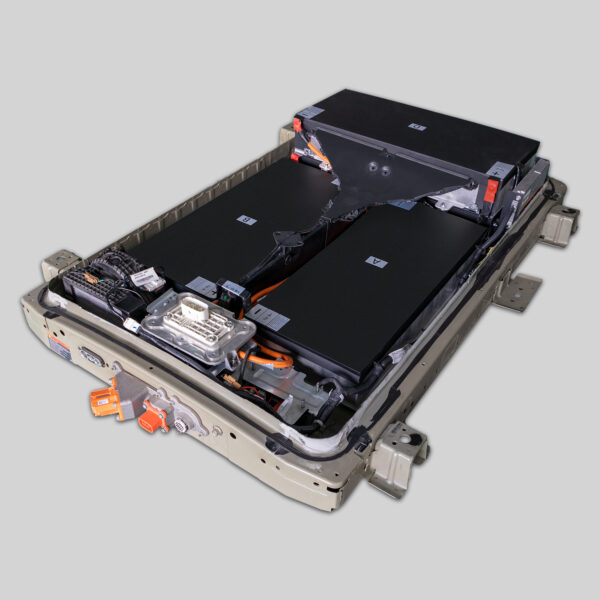
The True Value of Your Nissan Leaf: 5-Bar vs. 12-Bar Battery Economics
If you own a Nissan Leaf, you are likely familiar with the “Bar” system. This unique metric indicates the health of your original factory battery. A 5-Bar Leaf is often seen as a car on its last legs, while a 12-Bar Leaf represents a vehicle with full capacity. But what does this difference truly mean for your wallet?
In the used EV market of 2026, the gap between a degraded Leaf and a revived one is staggering. This article breaks down the financial math, comparing the depreciated value of a 5-Bar Leaf against the potential of a Leaf upgraded with a brand-new, 12-Bar battery solution.
📉 The Depreciation Trap: Why a 5-Bar Leaf is Worth Less
The Nissan Leaf’s battery health is measured in “Bars,” with 12 being full capacity. As the battery degrades, bars are lost. When you hit the 5-Bar mark, the car is functionally crippled.
- The Reality of 5 Bars: This typically means the battery has degraded to less than 50% of its original capacity. A standard 40kWh Leaf might only have a usable range of 60-80km (40-50 miles).
- Market Value: A 5-Bar Leaf is often categorized as a “parts car” or a “fixer-upper.” In 2026, the resale value for such a vehicle is minimal, often ranging between $1,500 and $3,000, depending heavily on the body condition and year.
- The Catch-22: You cannot sell it for a good price because the battery is dead, but replacing the battery with the original manufacturer (Nissan) is prohibitively expensive.
💰 The Upgrade Equation: Investing in a 12-Bar Future
The alternative to selling for scrap value is to perform a battery swap. By installing a brand-new, high-capacity battery pack, you transform your vehicle from a 5-Bar liability into a 12-Bar powerhouse.
Here is a comparative breakdown of the economics:
| Feature | 5-Bar Leaf (As-Is) | 12-Bar Leaf (After New Battery) |
|---|---|---|
| Battery Health | <50% Capacity (Degraded) | 100% Capacity (New) |
| Estimated Range | 60-100km (37-62 miles) | 240-440km (150-273 miles) |
| Resale Value | $1,500 – $3,000 | $6,000 – $10,000+ |
| Market Perception | “Parts Only” / “For Repair” | “Like New” / “Premium Used” |
| Longevity | Months to 1 Year | 8-10+ Years |
🛠️ The Cost of Revival: Is it Worth it?
The critical question is: Does the post-upgrade value justify the cost of the new battery?
- The Investment: A brand-new, compatible aftermarket battery pack (such as those utilizing CATL cells) typically costs between $6,000 and $9,000, depending on the kWh capacity (40kWh, 62kWh, or 68kWh).
- The Math: If your 5-Bar car is worth $2,000 and you invest $7,500 in a new battery, your total investment is $9,500.
- The Result: A fully restored Leaf in 2026 can realistically command a resale price of $8,000 to $11,000, depending on the model year and trim. While you may not make a direct profit on paper, you have effectively purchased a “new” electric vehicle for thousands less than buying a new EV.
⚡ Why a 12-Bar Upgrade is More Than Just Value
Beyond the simple math of resale, upgrading to a 12-Bar battery offers hidden benefits that a 5-Bar car cannot match:
- Increased Capacity Options: You are not limited to the original factory size. Many owners upgrade from a 40kWh (24kWh usable) to a 62kWh or 68kWh pack. This effectively doubles the range compared to the degraded original.
- Elimination of Range Anxiety: A 5-Bar Leaf is only suitable for short grocery runs. A 12-Bar Leaf can handle highway commutes and long trips.
- Safety and Reliability: Old, degraded batteries are prone to swelling, overheating, and cell imbalance. A new battery pack comes with modern Battery Management Systems (BMS) and safety certifications, eliminating the fire risks associated with ancient lithium-ion packs.
🏆 The Verdict: To Swap or Not to Swap?
Selling your 5-Bar Leaf feels like giving up, but buying a brand-new car is expensive. The battery swap presents a “Goldilocks Zone” for EV ownership.
If you perform a battery swap using a high-quality, OEM-compatible solution, you are not just repairing a car; you are resetting its depreciation curve. You turn a $2,000 liability into an $8,000+ asset. Furthermore, you gain the peace of mind of a modern warranty (such as the 2-year/80,000km coverage offered by leading manufacturers), which a 10-year-old factory battery could never provide.
Ready to calculate your specific savings? Whether you drive a Leaf ZE0, ZE1, or AZE0, we can help you determine the perfect kWh upgrade path for your vehicle.
Contact our technical experts now for a free customization quote
💡 Frequently Asked Questions
1. Is it cheaper to buy a new battery or a new car?
In almost every case in 2026, replacing the battery is significantly cheaper. The cost of a new battery pack is roughly 50% of the price of a new OEM replacement and a fraction of the price of a new electric vehicle, while offering 90% of the performance.
2. Will a battery swap void my car’s warranty?
Since most Leafs on the road are out of the original manufacturer’s warranty period, this is rarely a concern. However, a high-quality aftermarket battery comes with its own warranty (e.g., 2 years/80,000km), covering all battery-related issues independently of the car’s original warranty.
3. Can I install a new battery myself?
Yes, many owners perform DIY installations. The process is designed to be plug-and-play, and comprehensive video guides are available. However, due to the high voltage and weight of the pack, we recommend having it installed by a certified technician unless you have prior experience with EVs.
4. What are the risks of keeping a 5-Bar battery?
A 5-Bar battery is unstable. It suffers from high internal resistance, leading to excessive heat during charging and discharging. This not only limits your range but also increases the risk of thermal runaway or complete battery failure.


