How Much Heavier is a 62kWh Pack Compared to a 24kWh Pack?
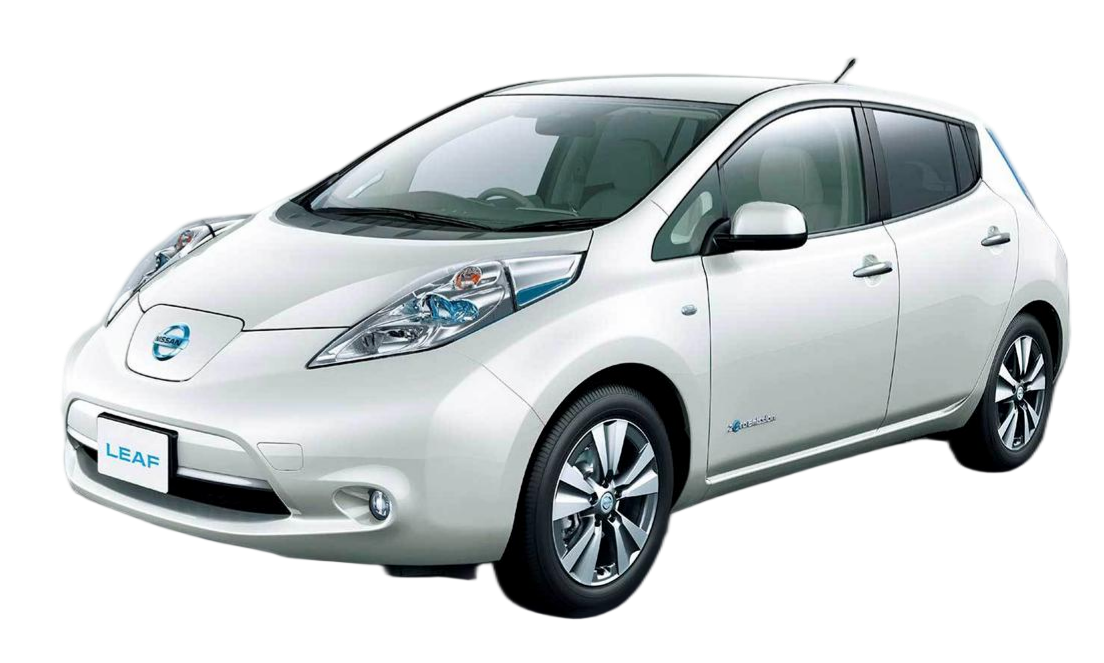
If you are driving a Nissan Leaf (especially a 2011–2017 model), you are probably familiar with the frustration of the “original” 24 kWh battery. As these batteries age, their range plummets, making daily commutes a gamble. The natural upgrade path leads to the 62 kWh pack. However, a critical question lingers before any conversion: “How much heavier is a 62kWh pack compared to a 24kWh pack?”
The short answer is: The 62 kWh pack weighs approximately 200–230 kg (440–507 lbs), while the 24 kWh pack weighs roughly 270 kg (595 lbs). This means the 62 kWh battery is actually 30–60 kg (66–132 lbs) lighter than the older 24 kWh unit.
This counter-intuitive result—where a battery with 2.5 times the capacity weighs less—is due to massive advancements in energy density. In this article, we will break down the weight difference, analyze the physics behind it, and explain why this weight reduction is actually beneficial for your vehicle’s performance.
Understanding the Weight Paradox
At first glance, it seems logical that a battery with 62 kWh of energy storage should be heavier than one with 24 kWh. However, battery technology has evolved rapidly.
The Chemistry Factor
The original 24 kWh Nissan Leaf (ZE0) used a Laminated Lithium Manganese Oxide (LMO) chemistry. This chemistry, while safe, is physically heavier and bulkier per kilowatt-hour.
In contrast, the modern 62 kWh Nissan Leaf (AZE0/ZE1) uses a Nickel Manganese Cobalt Oxide (NMC) chemistry. NMC packs significantly more energy into a smaller, lighter space.
The Structural Difference
Beyond chemistry, the physical structure differs:
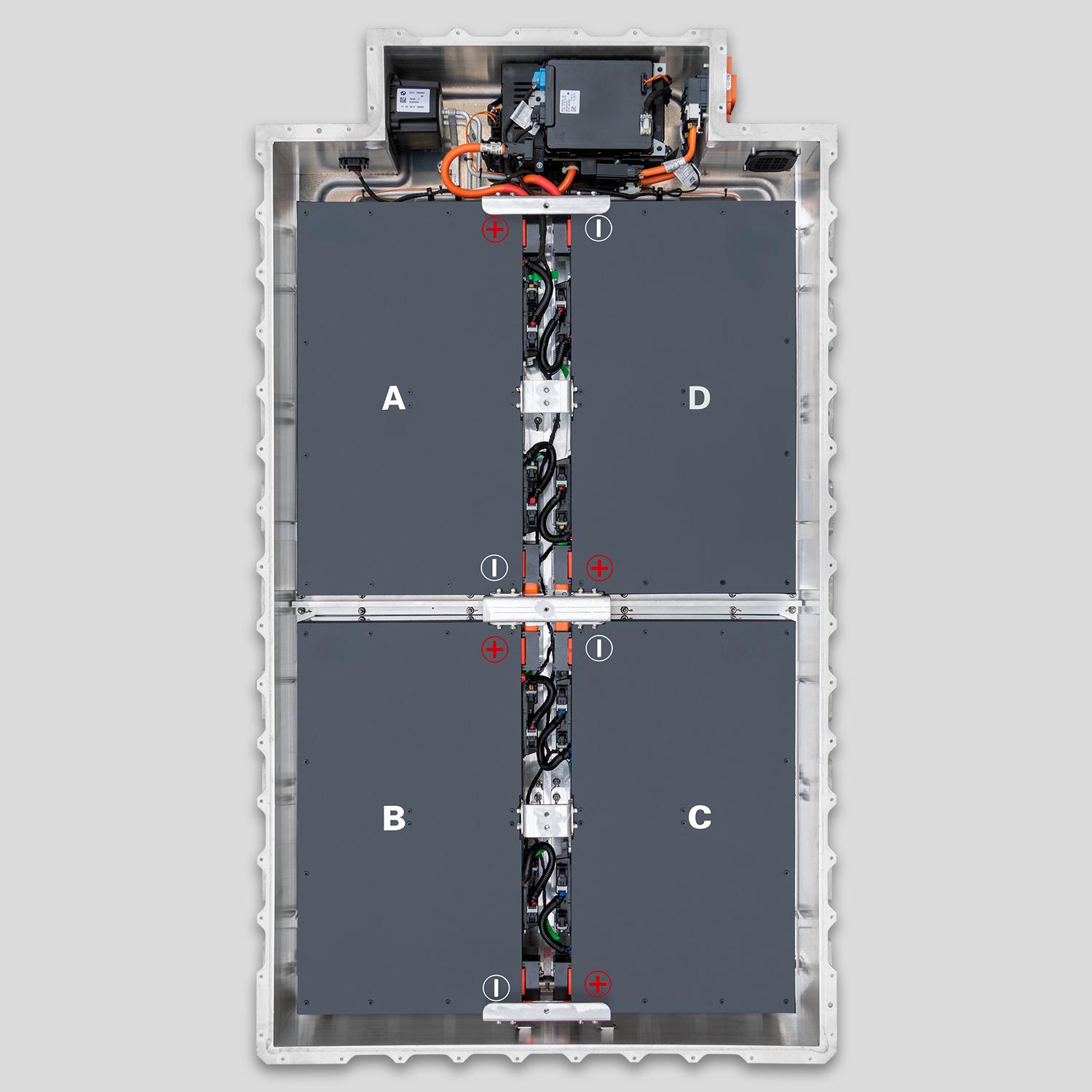
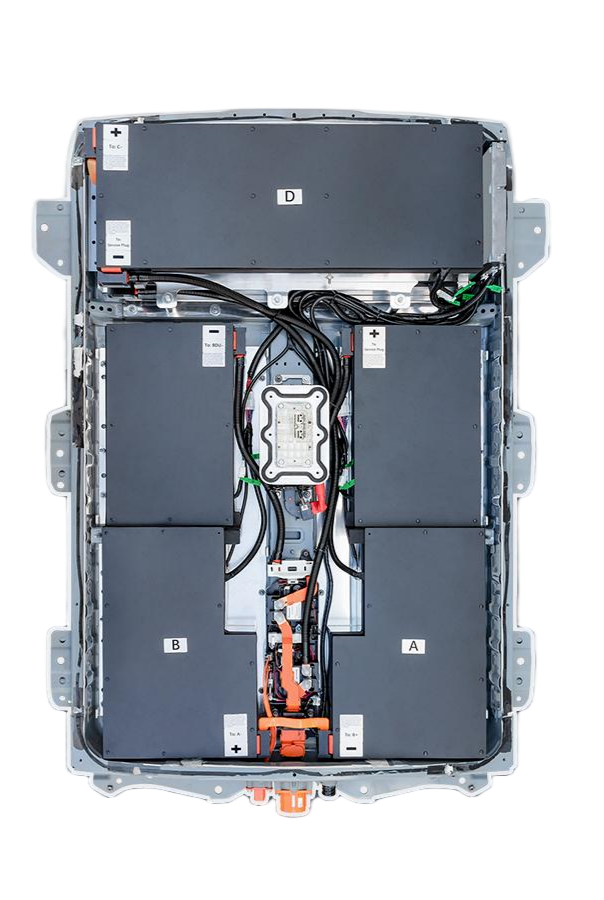
- 24 kWh (ZE0): This is a “Brick” style battery. It is a heavy, monolithic block.
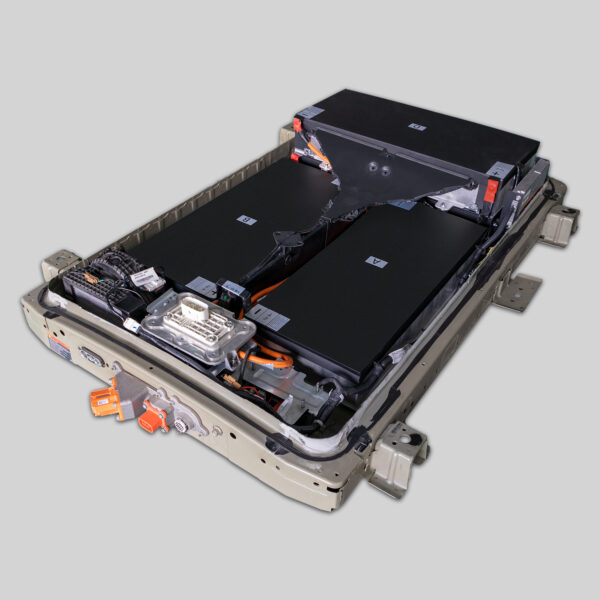
- 62 kWh (ZE1): This is a “Honeycomb” or modular design. It utilizes advanced Battery Management Systems (BMS) and lighter casings.
The Result: The 62 kWh pack delivers 158% more range while shedding excess weight. This is a win for efficiency and handling.
Detailed Weight Comparison
To give you a precise picture, here is a breakdown of the specific models. Please note that exact weights can vary slightly depending on the manufacturer (OEM vs. aftermarket) and specific mounting hardware.
| Battery Model | Capacity | Approximate Weight (kg) | Approximate Weight (lbs) | Weight Difference vs 24kWh |
|---|---|---|---|---|
| Nissan Leaf ZE0 | 24 kWh | 270 kg | 595 lbs | Baseline (Heaviest) |
| Nissan Leaf ZE1 | 40 kWh | 303 kg | 668 lbs | Heavier (+33 kg) |
| Nissan Leaf AZE0 | 62 kWh | 225 kg | 496 lbs | Lighter (-45 kg) |
Note: The 40 kWh pack is heavier than the 24 kWh pack because it uses a similar structural design but adds more cells. The 62 kWh pack represents a complete redesign, making it the lightest option per kWh.
Why the Weight Difference Matters
Understanding the weight difference is not just about curiosity; it has real-world implications for your vehicle.
1. Improved Weight Distribution
Replacing a 24 kWh pack with a 62 kWh pack shifts the center of gravity. Since the 62 kWh is lighter, your car’s suspension and tires experience less stress. This often results in a more responsive driving feel, similar to the “new car” feeling owners report after the swap.
2. No Structural Modifications Needed
A common fear is that a heavier battery will crush the chassis. However, because the 62 kWh pack is lighter, you do not need to reinforce the floor pans or modify the suspension. The Nissan Leaf chassis was engineered to handle the weight of the 62 kWh battery (designed for the 2018+ models), so installing it on a 2011–2017 model is structurally safe.
3. Efficiency Gains
Weight is the enemy of range. While the 62 kWh battery has a larger capacity, its lighter weight means the motor does not have to work as hard to move the car. This translates to slightly better efficiency per kWh compared to the older, heavier chemistry.
The Upgrade Process: What to Expect
If you have decided that the weight difference is acceptable (and beneficial), the next step is the conversion process.
Compatibility Check
Not all 62 kWh packs are plug-and-play. The early 24 kWh Leafs (ZE0) have a different communication protocol than the 62 kWh (AZE0) packs. You will need a battery that either:
- Has a modified BMS to speak the ZE0 language.
- Is paired with a CAN-bridge adapter.
Expert Tip: Always verify compatibility with a technical expert before purchasing. At CNS, we specialize in providing pre-mapped and compatible solutions for these specific retrofits.
Installation Time
The installation time for swapping a 24 kWh for a 62 kWh pack is typically 3 to 5 hours for a professional mechanic. This includes:
- Draining the old battery coolant.
- Disconnecting the high-voltage harness.
- Removing the heavy 24 kWh pack.
- Installing the lighter 62 kWh pack.
- Reconnecting the harness and refilling coolant.
- Resetting the BMS via OBD2.
Real-World Testimonials
Many owners have made this leap. Here is what they found regarding the weight and performance:
“I was worried the 62kWh would be too heavy, but my mechanic said the lift barely registered a difference. The car feels like it floats now. I went from 80 miles to 220 miles of range, and the handling is actually sharper.” – David L., Nissan Leaf Owner
“The 24kWh was a brick. Swapping to the 62kWh didn’t just add range; it made the car feel newer. The weight savings on the rear axle are noticeable when cornering.” – Javier R., Nissan Leaf Owner
Frequently Asked Questions (FAQ)
1. Is the 62 kWh battery actually lighter than the 24 kWh?
Yes. While the 24 kWh battery weighs around 270 kg (595 lbs), the modern 62 kWh pack weighs approximately 225 kg (496 lbs). This is due to advancements in NMC chemistry, which is lighter and more energy-dense than the older LMO chemistry used in the 24 kWh version.
2. Will the lighter weight affect my car’s traction?
No, it will not negatively affect traction. In fact, the weight distribution remains optimal for the Nissan Leaf chassis. The 62 kWh battery was designed by Nissan for use in their vehicles, so the weight is perfectly balanced for safety and handling. The reduction in weight actually improves the power-to-weight ratio.
3. Do I need to modify my car’s suspension for the 62 kWh swap?
No modifications are necessary. The Nissan Leaf chassis (specifically the ZE1 platform) was engineered to accommodate the 62 kWh battery. Since it is lighter than the original 24 kWh pack, your existing suspension and chassis are more than capable of handling the load without any reinforcement.
4. Are there any handling benefits to the lighter battery?
Yes. Reducing the weight over the rear axle (by roughly 45 kg or 100 lbs) can improve the car’s balance. Owners often report that the car feels “tighter” and more responsive after the swap, as the suspension geometry isn’t being compressed as much by the heavy old battery.
5. Can I install a 62 kWh battery on my 2011–2017 Nissan Leaf?
Technically, yes, but it requires specific compatibility. The 2011–2017 Leafs (ZE0) use a different communication protocol than the 62 kWh packs (AZE0). You will need a battery with a modified Battery Management System (BMS) or a CAN-bridge adapter to ensure the car recognizes the new battery. We recommend consulting with our technical team to ensure you get the correct plug-and-play solution.
If you are ready to upgrade your Nissan Leaf and experience the benefits of a lighter, higher-capacity battery, contact our technical experts today for a free compatibility check.