How Individual Owners Can Save Money on Nissan Leaf Battery Upgrade
If you own a Nissan Leaf and are facing the dreaded “Battery Degradation” warning, you’re likely looking at a massive repair bill. Replacing an EV battery is often the most expensive maintenance task an electric car owner will face. The official Nissan dealership quote can easily exceed $16,000, forcing many loyal owners to scrap a perfectly good car or buy a new one.
But there is a smarter, more affordable path. You don’t have to break the bank to get your Leaf back on the road with a full charge range. By understanding the aftermarket options and choosing OEM-compatible solutions, you can save over 50% on the cost while still getting a brand-new, high-performance battery.
Here is your expert guide to upgrading your Nissan Leaf battery without draining your savings.
Why the High Cost of Original Replacement?
Before we dive into the savings, let’s understand why the official replacement is so expensive. The Nissan Leaf has been a pioneer in the EV market, and as the batteries in early models (like the ZE0 and ZE1) reach the end of their lifespan, the cost of proprietary OEM parts remains high.
Dealerships charge a premium not just for the cells, but for the complex Battery Management System (BMS), the casing, and the labor involved. However, the core technology—lithium-ion cells—has become significantly cheaper and more efficient over the years thanks to advancements by manufacturers like CATL.
As a battery expert, I often tell clients: You don’t need to pay for the “Nissan” badge if you can get the same or better engineering at half the price.
Strategy 1: Choose OEM-Compatible Aftermarket Batteries
The single biggest way to save money is to opt for a high-quality aftermarket battery specifically designed to be compatible with Nissan Leaf models (including ZE0, AZE0, and ZE1).
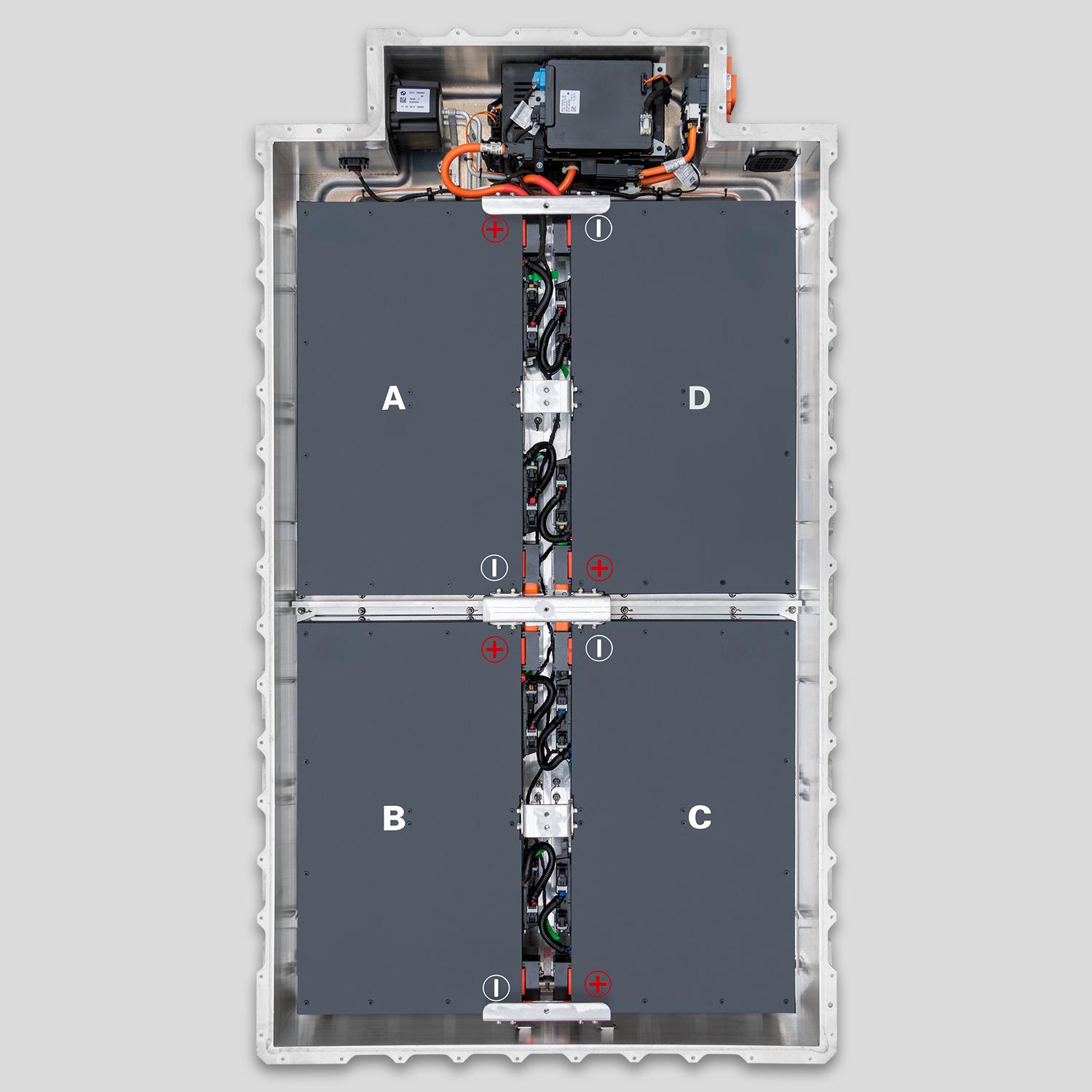
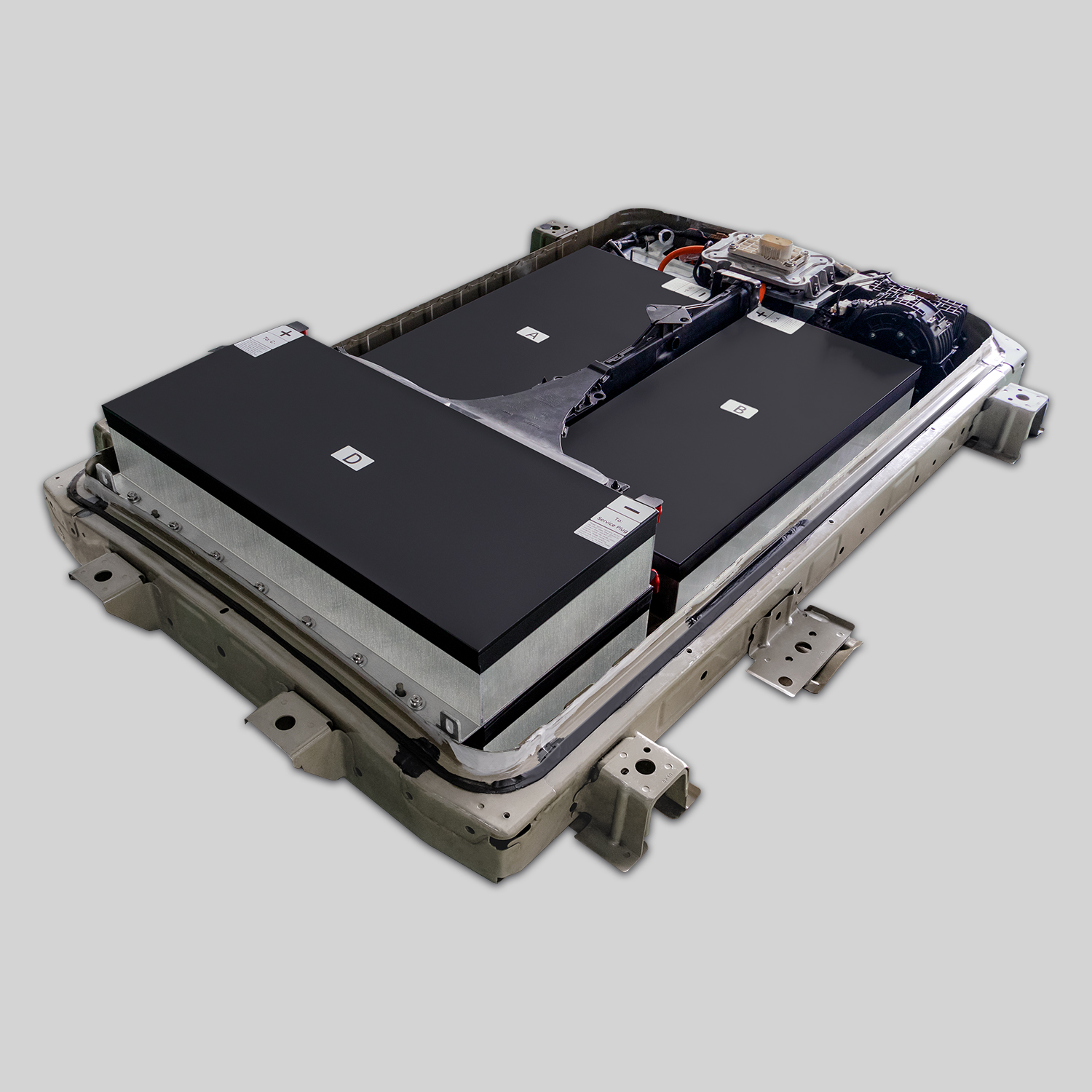
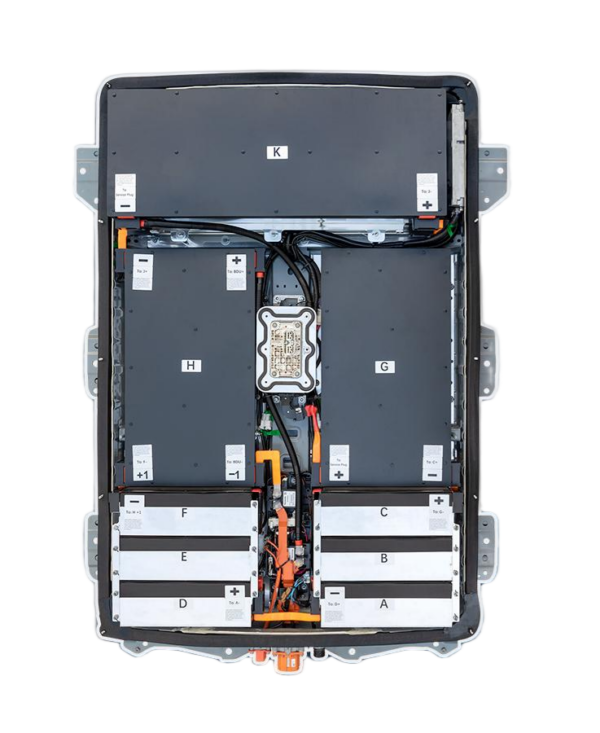
At CNS BATTERY, we specialize in providing these solutions. Our batteries are engineered to meet the exact voltage, capacity, and interface standards of the original factory parts. This means no modifications are needed to your car.
The Cost Comparison
To put this into perspective, let’s look at the numbers. If you are quoted $16,000 by a Nissan dealer, here is how an aftermarket solution stacks up:
| Component | Original Nissan Dealer | CNS BATTERY (OEM Compatible) |
|---|---|---|
| Battery Pack (40kWh/62kWh) | $12,000 – $16,000+ | ~$7,800 – $8,200 |
| Labor (Estimated) | $2,000 – $3,000 | DIY or $800 – $1,500 |
| Total Estimated Cost | $14,000 – $19,000 | $8,600 – $9,700 |
By switching to an aftermarket provider, you are instantly saving $6,000 to $10,000. That is a massive difference that can fund a brand-new home charging station or thousands of miles of free driving.
Strategy 2: Upgrade Your Capacity (More Range, Same Price)
Here is where it gets exciting. Because aftermarket batteries are significantly cheaper, you often have the budget to upgrade your capacity rather than just replace it.
For example:
- Scenario: You have a 2014 Nissan Leaf ZE0 with a degraded 24kWh battery.
- Standard Fix: Replace it with another 24kWh or 30kWh used/refurbished pack.
- Smart Fix: Use the money you saved to install a brand-new 62kWh battery.
Why do this? A new 62kWh pack will give you a full charge range of approximately 430km (267 miles), effectively turning your old Leaf into a modern long-range EV. You are not just fixing the car; you are future-proofing it.
Expert Insight: Many of our clients report that after installing a new 62kWh pack, their car feels “like new” again. The acceleration is sharper, the range is reliable, and they no longer suffer from “range anxiety.”
Strategy 3: DIY or Semi-Pro Installation
If you are mechanically inclined, or have a friend who is, you can save even more on labor costs.
Installing a Nissan Leaf battery is largely a mechanical task involving bolts and connectors. While we always recommend professional installation for safety and warranty purposes, the process is often simpler than people think.
What the DIY Process Looks Like:
- Disconnect Power: Safety first—disconnect the 12V battery and the high-voltage service plug.
- Remove Old Battery: Jack up the car, remove the undertray, and unbolt the old pack (approximately 1-2 hours of work).
- Install New Battery: Lower the new pack in, reconnect the high-voltage cables and signal connectors (plug-and-play), and torque the bolts to spec.
- BMS Programming: This is the only “tech” step. You will need to connect a diagnostic tool (or have a mechanic do it) to program the new BMS to communicate with your car’s dashboard.
Many of our customers save $800 to $1,500 by doing the mechanical swap themselves and only paying a mechanic for the final programming and diagnostics.
Strategy 4: Avoid the “Refurbished” Trap
A common pitfall for owners trying to save money is buying a “refurbished” or “reconditioned” battery.
Do not do this.
While a refurbished battery might cost $2,000 to $3,000, you are buying someone else’s used cells. These cells are already degraded, and you have no idea about their chemical health. The risks include:
- Swelling: Old cells can physically expand and damage the casing.
- Sudden Failure: The range can drop drastically within months.
- No Warranty: Many refurbishers offer no warranty, or a very short one.
The math is simple: Paying a little more for a brand-new battery with fresh CATL cells is always cheaper in the long run because it will last you another 8-10 years.
Trust and Peace of Mind
We understand that buying a car battery online is a big decision. That is why CNS BATTERY offers the industry’s most reliable safety net:
- 2-Year / 80,000km Warranty: This far exceeds the warranty offered by most refurbished battery sellers and even matches some OEM standards.
- CATL Cells: We use the same premium cells used by major automakers, guaranteeing safety and longevity.
- Free Compatibility Check: Before you buy, we verify that the battery matches your specific VIN number to ensure a perfect fit.
Frequently Asked Questions (FAQ)
Q1: Is an aftermarket battery safe for my Nissan Leaf?
Absolutely. Our batteries are built to OEM specifications using new, high-grade materials. We use robust Battery Management Systems (BMS) that monitor temperature and voltage to prevent overheating. In fact, because you are getting brand-new cells (unlike a used OEM replacement), the safety profile is often superior.
Q2: Will I lose my car’s original warranty or features?
If your car is still under the original Nissan manufacturer warranty (rare for older Leafs), installing an aftermarket part could affect it. However, for the vast majority of Leaf owners (2014-2019 models), the factory warranty has expired. Our batteries are designed as “plug-and-play,” meaning your car’s dashboard, regenerative braking, and climate control will function exactly as they did with the original battery.
Q3: How long does the installation take?
For a professional mechanic, the installation typically takes 1-2 hours. This includes removing the old pack, installing the new one, and running a diagnostic test. If you are doing it yourself for the first time, budget for 3-4 hours to be safe.
Q4: How do I know which model (ZE0, ZE1, AZE0) I have?
You can usually find this on the compliance label inside the driver’s side door jamb. Alternatively, you can provide your VIN (Vehicle Identification Number) to our sales team, and we will instantly tell you which battery pack is compatible with your specific year and model.
Ready to Upgrade?
Don’t let a high dealership quote force you into an unwanted car payment. You can revive your Nissan Leaf with a brand-new, long-range battery for less than half the cost.
Get your free, no-obligation quote today. Our experts are ready to help you find the perfect battery solution for your model.