How Individual Owners Can Save Money on Leaf ZE1 Battery Installation
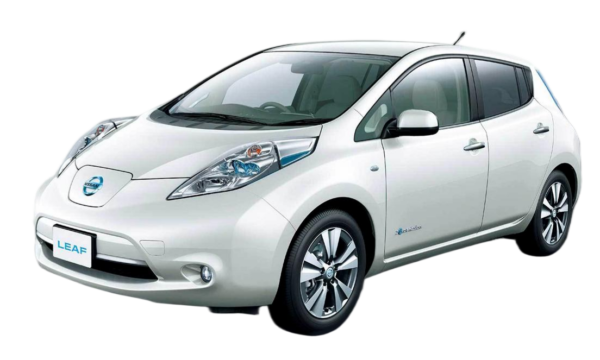
If you own a Nissan Leaf ZE1 (typically 2018-2023 models), you know that the electric vehicle lifestyle is usually cheaper than gas. However, when the time comes for a battery replacement, the sticker shock from dealerships can be brutal. Many owners are left wondering: “Is there a way to get a reliable, brand-new battery without spending the $15,000+ that a Nissan 4S store might quote?”
The answer is a definitive yes. As a battery expert, I’ve seen how the aftermarket has evolved. You don’t have to choose between your savings account and your car’s health. By understanding the Leaf ZE1 battery installation process and leveraging the right parts, individual owners can cut costs by over 50%.
Here is your strategic guide to saving money on your Nissan Leaf ZE1 battery upgrade.
💡 The “50% Savings” Strategy for Leaf ZE1 Owners
The most significant expense in a battery replacement isn’t the cells—it’s the labor markup at the dealership. However, the primary reason for the high cost of an OEM battery is the brand premium, not necessarily the technology inside.
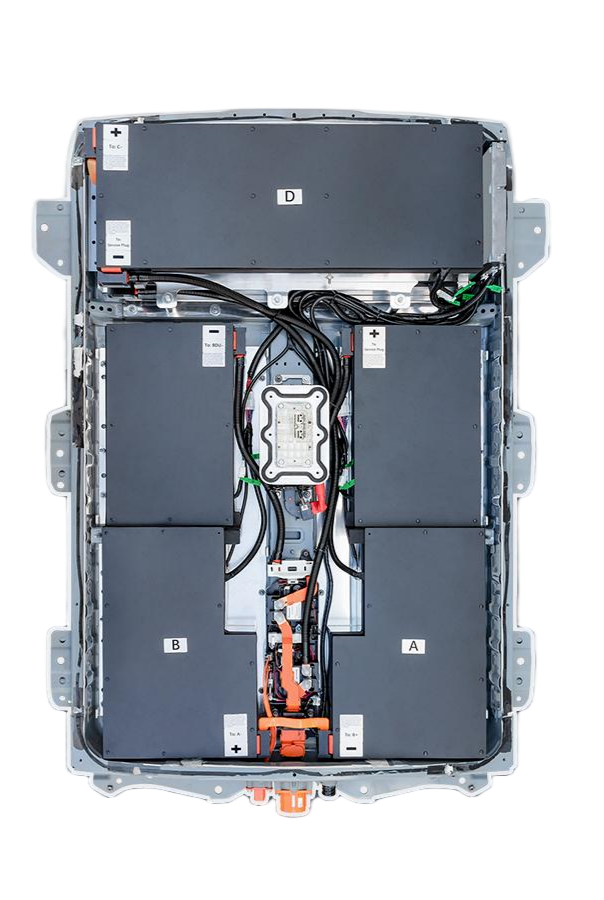
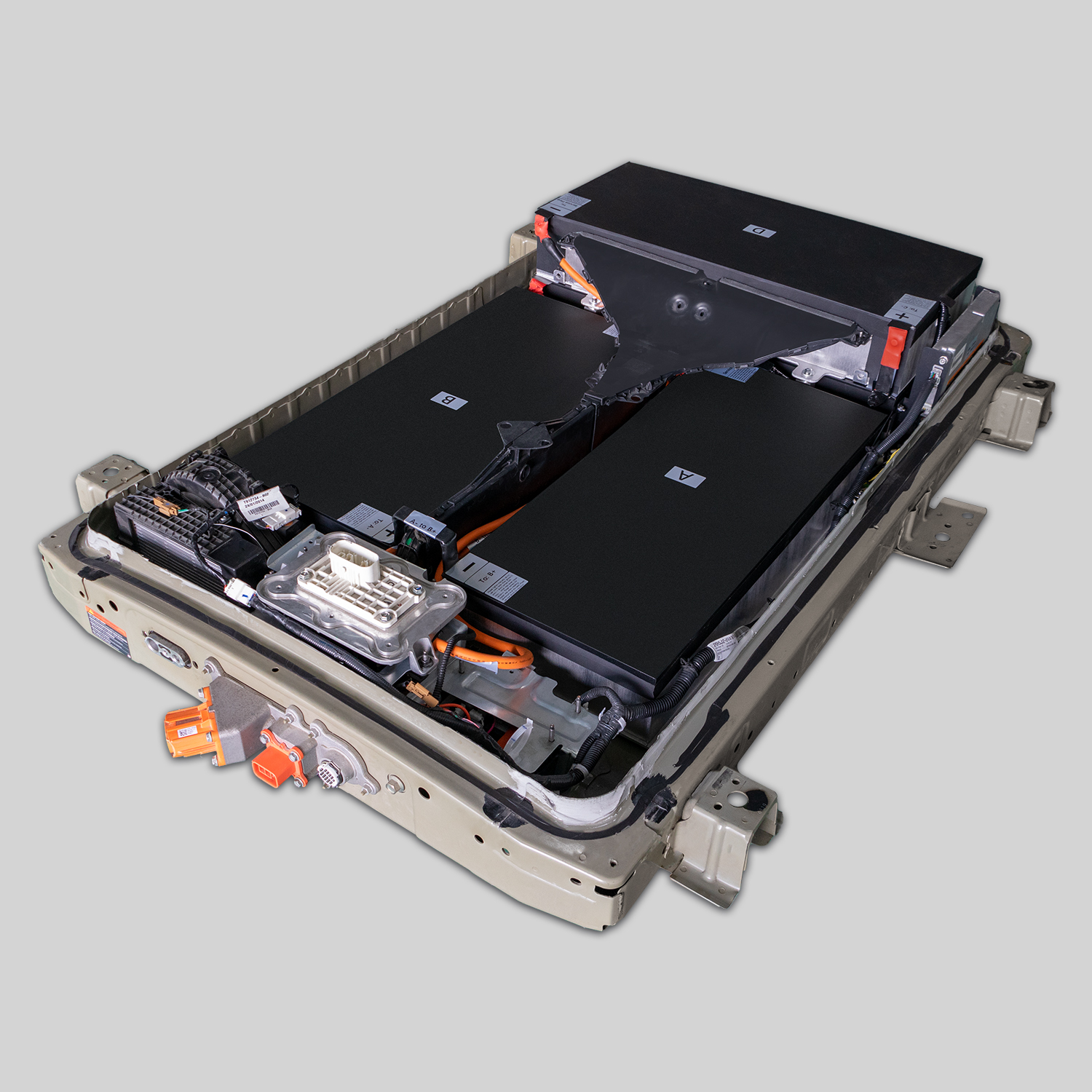
The Strategy: Replace the expensive OEM pack with a brand-new, high-quality aftermarket battery (like the CNS BATTERY Nissan Leaf ZE1 Battery) and install it yourself or use a local independent mechanic.
The Math: While a dealership might charge $16,000+, a brand-new 40kWh or 62kWh lithium battery pack from a specialized manufacturer like CNS can cost roughly $7,000 – $8,500. This instantly saves you $7,000 to $8,000.
But how do you ensure this “cheap” battery is safe and reliable? Let’s break down the components of the savings.
🧩 Why Aftermarket Doesn’t Mean “Lower Quality”
Many owners hesitate to buy aftermarket, fearing they are getting recycled or refurbished junk. This is where doing your research is critical to your savings strategy.
To save money safely, you need a battery that uses Brand New Cells.
1. The Cell Quality Advantage
Most reputable aftermarket manufacturers (including the solution I recommend) use brand-new CATL (Contemporary Amperex Technology Co. Limited) cells. CATL is one of the world’s largest lithium-ion battery manufacturers.
- Cost Saving: CATL cells offer the same chemical stability and energy density as the original Nissan cells but without the Nissan “brand tax.”
- Performance: You get the same range (or more, if you upgrade to a higher kWh) without the risk of degraded recycled cells swelling or failing.
2. The “Plug-and-Play” Design
A major hidden cost is re-engineering. If a battery doesn’t fit perfectly, you need custom brackets and wiring modifications, which cost hundreds in labor and parts.
- OEM Compatibility: A good aftermarket pack is designed to OEM standards. This means the dimensions, the connector types (like the Type 2 connectors), and the voltage are identical to the original.
- Your Benefit: No modifications needed. This “drop-in” replacement is what makes DIY possible.
🛠️ DIY vs. Professional: Calculating Your Labor Costs
Once you have the battery, the next decision is who installs it. This is where the second layer of savings happens.
Option A: DIY Installation (Maximum Savings)
If you are mechanically inclined, doing it yourself saves the entire labor bill.
- Time Required: Approximately 1-2 hours.
- Tools Needed: Basic wrenches and screwdrivers.
- The Process:
- Disconnect the vehicle power.
- Remove the old battery mounting brackets (bolts).
- Disconnect the old cables and connect the new ones (color-coded for safety).
- Reassemble and run diagnostics.
- Pro Tip: Most manufacturers provide high-definition installation videos and PDF manuals. If you get stuck, some even offer video call support to guide you through the wiring.
Option B: Local Mechanic (Balanced Savings)
If you don’t want to get your hands dirty, take the battery you purchased online to a local independent mechanic or tire shop.
- Cost: Typically $300 – $800 (compared to $1,500+ at a dealership).
- Why it works: Because the battery is OEM-compatible, the mechanic doesn’t need special Nissan tools—just basic mechanical skills.
📊 The Cost Comparison: OEM vs. Your DIY Strategy
Let’s visualize how your strategy stacks up against the traditional route.
| Cost Component | Dealership (OEM) | Your Strategy (Aftermarket + DIY/Local) | Savings |
|---|---|---|---|
| Battery Hardware | ~$14,000 | ~$7,800 (Brand New CATL Cells) | ~$6,200 |
| Labor/Installation | ~$1,500 | $0 (DIY) or $500 (Local Mechanic) | ~$1,000 – $1,500 |
| Total Cost | ~$15,500+ | ~$7,800 – $8,300 | >$7,000 Saved |
Note: Prices are estimates based on 2026 market data for a 40kWh/62kWh replacement.
🛡️ The Safety Net: Warranty and Support
The final piece of the puzzle for saving money is peace of mind. You can’t save money if the battery fails in six months.
This is why the warranty is your best friend:
- Standard Warranty: Look for a minimum of 2 Years / 80,000 KM. This covers defects in materials and workmanship.
- Capacity Retention: A good warranty should guarantee the battery maintains at least 70% capacity during the warranty period.
- Technical Support: Ensure the manufacturer offers a support hotline. If you encounter an error code during installation, you want an expert (not a generic call center) to call.
💬 Real Owner Experience: Mark from California
To prove this strategy works, let’s look at a real-world example.
“My 2019 Leaf ZE1 was down to 120km of range. The dealership wanted $16,000. I bought a 62kWh pack from an aftermarket supplier for $7,800. I took it to my local mechanic, and the total bill (including his labor) was under $8,500. The installation took him 90 minutes because it was a direct fit. Now I have 430km of range, and the car feels brand new. I saved over $7,000.”
This is the standard experience for owners who follow this strategy.
📝 Your Action Plan
If you are ready to save thousands on your Leaf ZE1 battery installation, follow these steps:
- Verify Compatibility: Don’t guess. Use the manufacturer’s VIN checker or contact their support to confirm your specific Leaf ZE1 model (40kWh or 62kWh) is supported.
- Choose Your Specs: Decide if you want to stick with the original capacity or upgrade (e.g., 40kWh to 62kWh).
- Decide on Installation: Gather your tools for DIY or get a quote from a local shop.
- Order: Purchase the battery directly from the manufacturer to avoid distributor markups.
By taking control of the parts and the labor, you turn a $16,000 financial disaster into a manageable $8,000 upgrade.
Get a Free Custom Quote for your Nissan Leaf ZE1 Battery today and see exactly how much you can save.
❓ Frequently Asked Questions (FAQ)
Q1: Is it safe to install the battery myself?
A: Yes, if you follow the safety manual. The process is mechanical (bolts and connectors), not electrical engineering. Always disconnect the 12V battery first. If you are unsure about the BMS programming step, most manufacturers offer free remote video support to guide you.
Q2: Will an aftermarket battery void my car’s remaining warranty?
A: Generally, no. Since the battery is a wear-and-tear item, replacing it does not affect the structural or drivetrain warranty of the vehicle. However, it is always best to check the specific terms of your vehicle’s warranty.
Q3: How long does the installation take?
A: For a professional technician, it usually takes about 50 minutes to 1.5 hours. For a DIY owner, budget 2 hours to be safe, especially if you are watching the tutorial video step-by-step.
Q4: What payment methods are available?
A: Most direct manufacturers accept standard methods like T/T (Bank Transfer), Credit Cards, and sometimes trade services. Contact the sales team to confirm the options available in your country.
Q5: Do I need special tools?
A: No. The installation requires standard automotive tools like wrenches and screwdrivers. The battery pack is designed to be a “plug-and-play” replacement, meaning the connectors match the original factory specifications exactly.