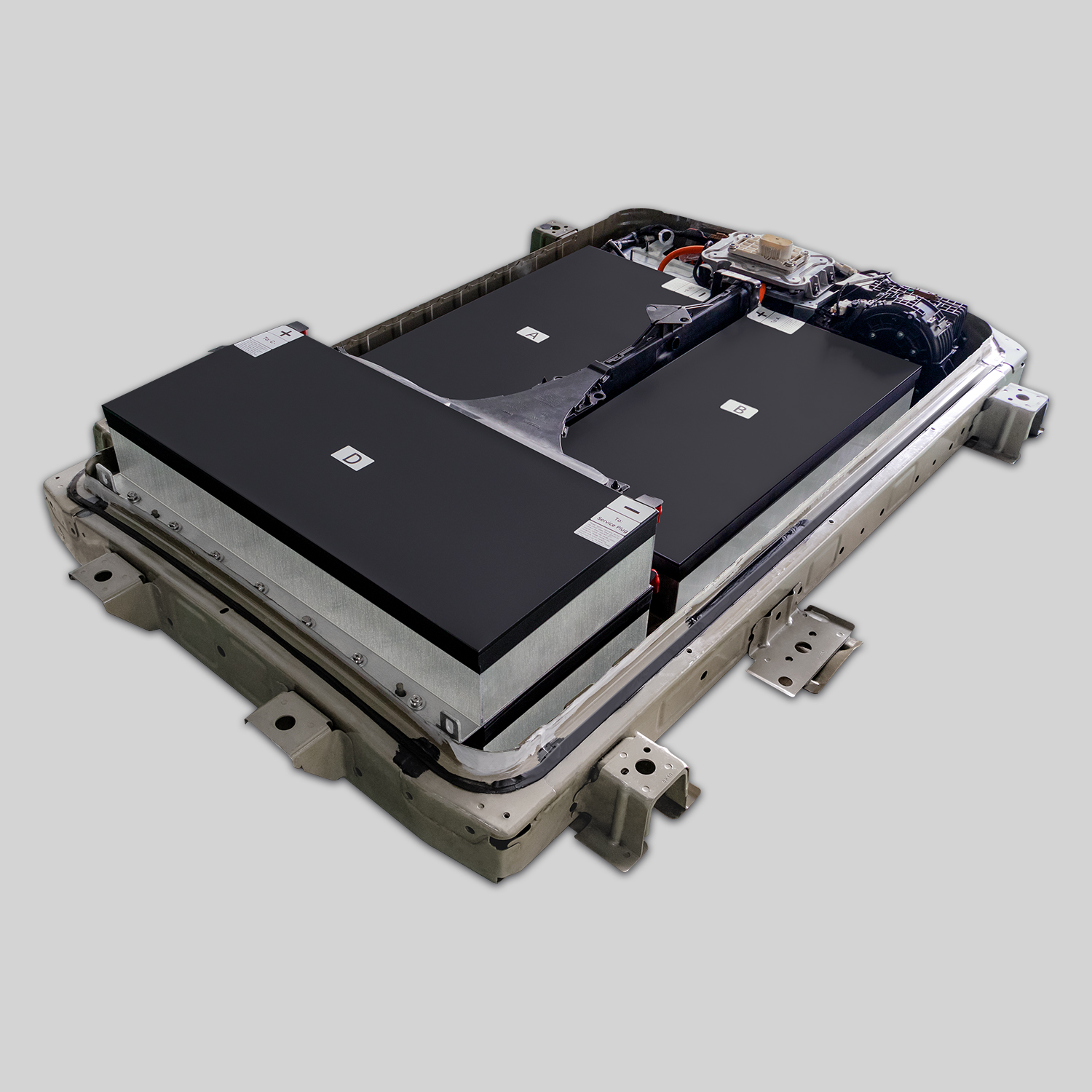
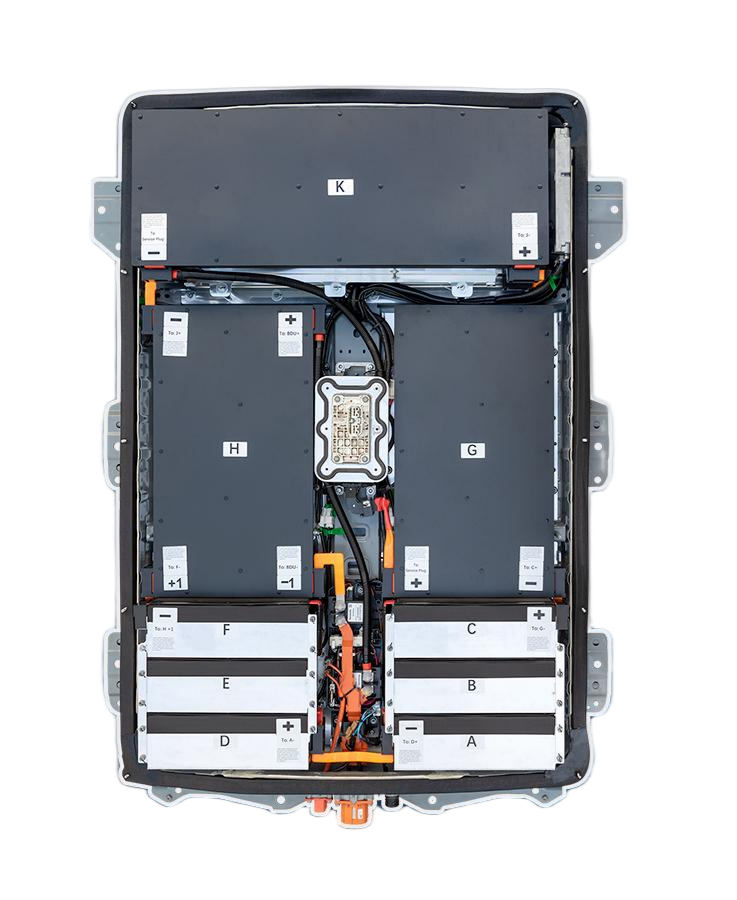
How Heatwave Affects Your Nissan Leaf 68kWh Range (and How to Fix It)
The summer heat is coming, and if you own a Nissan Leaf 68kWh, you might be noticing something alarming: your range is dropping faster than the mercury on the thermometer. You’re not imagining it. Extreme heatwaves are the silent killers of electric vehicle (EV) battery performance, and the 68kWh model is no exception.
As an expert in EV battery solutions, I’ve seen countless owners panic when their “long-range” car suddenly struggles to make it to the charging station. But here’s the truth: it’s not always a dead battery; it’s often a thermal management crisis.
In this guide, I’ll explain exactly why the heat is stealing your miles and, more importantly, how you can fight back with a smarter, more resilient battery solution.
🔥 Why the Heatwave is Stealing Your 68kWh Range
When the temperature soars, your Nissan Leaf 68kWh faces a triple threat. Unlike smaller battery packs, the 68kWh unit has a massive thermal load to manage.
1. The Chemistry of Heat
Lithium-ion batteries hate extremes. While cold weather slows down the chemical reactions (reducing power), heat accelerates them to a dangerous degree. In a heatwave, the internal resistance of the battery cells drops, causing the battery management system (BMS) to limit power output to prevent overheating. This is called “Thermal Throttling.” You might see your car display a warning or simply notice the accelerator pedal feels “mushy.”
2. The Air Conditioning Tax
This is the biggest range killer. To keep you cool in a 40°C heatwave, your AC compressor works overtime. Unlike a gas car that uses engine waste heat for the cabin, an EV uses precious battery power for both propulsion and cooling. For a 68kWh Leaf, running the AC at full blast in stop-and-go traffic can consume up to 30% more energy, effectively shrinking your tank.
3. Battery Degradation Acceleration
This is the long-term damage. Every heatwave you endure without proper cooling accelerates the degradation of your battery cells. The electrolyte fluid inside the cells breaks down faster, and the electrodes wear out. If your 68kWh pack is already a few years old, a severe heatwave can be the final straw that pushes it from “acceptable” degradation to “dangerous” degradation.
Expert Insight: At CNS Battery, we test our modules at 60°C to simulate the worst-case scenarios. Standard factory batteries often lack the robust thermal buffering needed for prolonged heat exposure, leading to the “sudden death” syndrome many Leaf owners fear.
📉 The “Range Anxiety” Spiral
Let’s look at the math. On a mild day, your Nissan Leaf 68kWh might give you a solid 350km (217 miles) of real-world range. But throw a heatwave into the mix, and here is how quickly that evaporates:
| Factor | Impact on Range | Real-World Result |
|---|---|---|
| Highway Driving (AC On) | -25% Efficiency | 262km (Down from 350km) |
| Stop-and-Go City Traffic | -35% Efficiency | 227km (Down from 350km) |
| Combined (Heavy AC + Hills) | -45% Efficiency | 192km (Less than half) |
If your daily commute is 100km round trip, a heatwave suddenly cuts your buffer from safe to risky. One wrong turn or a closed charging station means you’re stranded.
🛠️ How to Fix It: Cooling Strategies & Smart Upgrades
While you can’t control the weather, you can control how your car handles it. Here are the professional fixes to restore your confidence.
1. Master the Pre-Conditioning Game
Pre-conditioning is your best friend. Do not wait until you get in the car to turn on the AC.
- Plug in and Cool: Keep your car plugged in (even if it’s full) during the hottest parts of the day. The grid power will run the cooling system, keeping the battery and cabin cool without draining the pack.
- Timed Charging: Set your charging to finish 10 minutes before you leave. The battery will be cool from the charging cycle, and the cabin will be pre-chilled.
2. The “Battery Swapping” Solution
If you’ve noticed that your range drop is permanent (even when it’s cool outside), your cells are likely degraded. This is where upgrading makes financial sense.
Many owners are unaware that replacing the entire 68kWh pack with a new OEM unit from the dealership can cost upwards of $16,000. That’s often half the value of the car itself.
The Smart Alternative:
Instead of overpaying for a standard OEM pack that will suffer the same thermal issues, consider a custom high-performance replacement. At our facility, we specialize in building 68kWh+ NMC battery packs using brand-new CATL cells.
Why does this fix the heatwave problem?
- Higher Quality Cells: CATL cells have superior thermal stability compared to older generations found in early 68kWh packs.
- Enhanced BMS: Our systems are programmed to manage heat more aggressively, preventing the “voltage sag” that causes range loss in heat.
- Cost Efficiency: You can get a brand-new, heat-resistant 68kWh equivalent pack for less than half the price of a dealership replacement.
3. The “Winter Mode” for Summer
Treat your Leaf like a hybrid in the heat.
- Eco Mode: Always use Eco mode in heatwaves. It limits power draw, which reduces heat generation in the motor and battery.
- One-Pedal Driving: Smooth driving generates less heat than aggressive acceleration. Heatwaves are the time to drive like your grandma.
📦 The Ultimate Upgrade: Future-Proofing Against Heat
If you live in a region prone to heatwaves (like the southern US, Australia, or the Middle East), the standard Nissan Leaf battery might not be your best long-term investment. This is why many savvy owners are turning to LFP (Lithium Iron Phosphate) chemistry swaps or high-grade NMC upgrades.
LFP Batteries: The Heatwave Warriors
While the 68kWh is traditionally an NMC battery, upgrading to an LFP solution offers distinct advantages for hot climates:
- Thermal Stability: LFP cells are chemically stable at much higher temperatures. They don’t catch fire or degrade as easily when it’s hot.
- Longevity: They can handle thousands of cycles, even in extreme heat, without significant degradation.
NMC Upgrades: Pure Performance
If you prefer the original chemistry, upgrading to a new-spec NMC pack with better cooling channels ensures you keep the performance feel of the original Leaf but with the reliability of a new car.
Case Study: A client in Texas recently replaced his degraded 68kWh pack with our custom 62kWh NMC upgrade. Not only did he save $8,000 compared to the dealer price, but during the last summer heatwave, his range only dropped by 12% (compared to the 35% drop he experienced with his old battery).
📝 Conclusion: Don’t Let the Heat Win
Heatwaves are inevitable, but being stranded because of them is not. If you’re seeing your Nissan Leaf 68kWh range plummet, first try the pre-conditioning and eco-driving tactics. If the damage is already done and the battery is degraded, don’t let the dealership rob you.
Invest in a battery solution built for the real world. With the right technology, you can turn that “dead” 68kWh car back into a reliable daily driver that laughs in the face of 40°C weather.
Ready to fix your heat-damaged battery?
Stop overpaying for outdated technology. Get a free quote today for a high-performance, heat-resistant replacement that fits your Nissan Leaf perfectly.
Get Your Free Custom Quote Now
❓ Frequently Asked Questions (FAQ)
Q1: Why does my Nissan Leaf 68kWh lose so much range in summer compared to winter?
While winter reduces range due to battery chemistry slowing down, summer range loss is usually caused by air conditioning load and battery thermal management. The car uses significant energy to cool the battery pack and the cabin simultaneously. Additionally, if your battery is old, high temperatures can cause “voltage sag,” making the car think the battery is emptier than it is.
Q2: Is it bad to charge my Leaf in the heat?
It’s not bad, but it’s crucial to keep it plugged in during extreme heat. When plugged in, the car can use grid power to run the cooling system, preventing the battery from overheating. Avoid fast charging in extreme heat if possible, as the combination of high ambient temperature and high charging current can stress the cells.
Q3: Can I upgrade my 68kWh Leaf to a different battery type?
Yes, you can. Many owners are upgrading to higher-capacity packs or switching chemistries (like LFP) for better heat resistance. These are custom solutions, not available from Nissan dealerships, but offered by specialized aftermarket manufacturers. These upgrades often offer better thermal management and longer lifespans than the original battery.
Q4: How much does a replacement 68kWh battery cost?
Dealership prices can range from $12,000 to $18,000 depending on the region and labor costs. However, aftermarket solutions using new OEM-grade cells (like CATL) can cost significantly less—often around $6,000 to $8,000 for a complete pack replacement, offering the same performance and safety at half the price.
Q5: What is the best way to store a Leaf during a heatwave?
If you’re not driving it, keep it plugged in in a shaded area. If you don’t have a garage, use a reflective windshield cover and a car cover designed to reflect UV rays. Never leave the car in “Ready” mode with the AC on while parked; instead, use the timer function to cool it just before you get in.