
Here is the SEO-optimized article tailored for your requirements.
The Ultimate Guide: Nissan Leaf 30kWh Range in Winter & How to Fix It
Winter is the ultimate test for any electric vehicle, and if you own a Nissan Leaf 30kWh, you know the struggle is real. One moment you’re cruising with a full bar, and the next, your range estimate plummets faster than the mercury on a freezing morning. It’s not just you; it’s physics. However, the severity of this “range anxiety” depends heavily on the type of battery cells you have installed.
At CNS BATTERY, we specialize in high-performance lithium-ion power batteries for Nissan and BMW vehicles. We understand that for many Leaf owners, the original battery degradation combined with cold weather makes daily commutes a gamble. In this guide, we will break down exactly why your 30kWh pack suffers in the cold and, more importantly, how upgrading to a modern battery solution can fix it.
Why Does the Nissan Leaf 30kWh Range Drop in Freezing Temperatures?
The Nissan Leaf 30kWh was a pioneer in the EV market, but its age means it lacks the sophisticated thermal management systems found in modern electric cars. When temperatures drop below freezing (0°C / 32°F), several chemical and mechanical factors come into play:
- Chemical Slowdown: Lithium-ion batteries rely on ions moving between the anode and cathode. Cold temperatures slow down this chemical reaction, increasing the battery’s internal resistance. This means the battery can’t discharge energy as quickly or efficiently.
- Cabin Heating Drain: Unlike gasoline cars that generate waste heat from the engine, EVs must use the battery to power the heater. Heating the cabin is the single largest drain on your winter range.
- Tire Pressure: Cold air causes tires to lose pressure, increasing rolling resistance and further reducing efficiency.
For a 30kWh battery—already one of the smallest packs on the market—losing 30% to 40% of your range in winter can turn a comfortable daily driver into a vehicle that barely makes it to the grocery store and back.
The Hidden Culprit: Battery Degradation
While cold weather affects all EVs, the impact is magnified in older models like the Leaf 30kWh due to battery degradation.
If your original battery has been through several winters, its health (SOH) has likely decreased significantly. A degraded battery has less total energy to begin with, so when the cold hits, the remaining usable capacity drops into the red zone almost immediately.
Many owners report their range dropping from a usable 110 km (70 miles) in summer to a terrifying 60 km (40 miles) in winter. This forces drivers into “hyper-miling” mode just to get by.
How to Fix It: Upgrading Your Nissan Leaf Battery
The most effective way to combat winter range anxiety is not just to bundle up, but to upgrade your power source. At CNS BATTERY, we offer Original Equipment Manufacturer (OEM) compatible solutions that are designed to outperform the original factory standards.
1. Upgrade to a Higher Capacity Pack
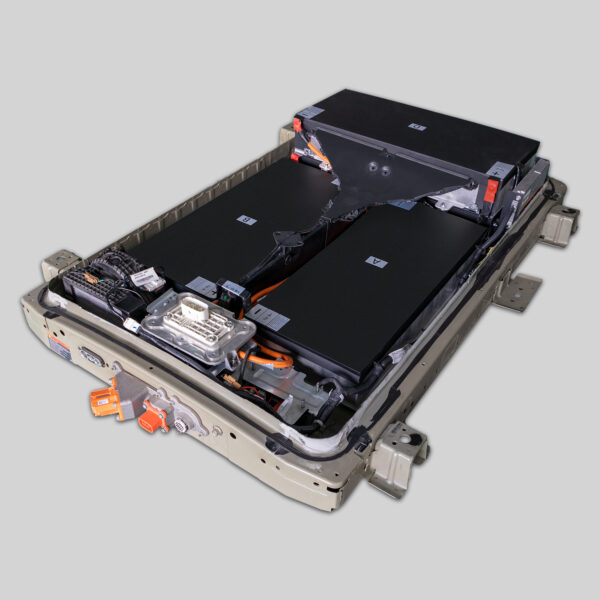
The best “fix” for range loss is more range. Instead of struggling with the 30kWh or even the 40kWh pack, consider upgrading to a 62kWh or 68kWh lithium battery pack.
- The Math: Even if a 62kWh battery loses 40% of its range in the cold, you are still left with approximately 250 km (155 miles) of range. This is more than double what a degraded 30kWh battery can offer in winter.
- Real-World Example: One of our customers, Javier R. from Paris, upgraded his 2014 Leaf from a degraded state to a 68kWh pack. He reports that even in cold winter conditions, he maintains around 400km (250 miles) of range—perfectly sufficient for his needs.
2. Superior Cell Chemistry
We utilize brand-new, premium battery cells (such as those from CATL) in our manufacturing process. Modern cells have better low-temperature performance characteristics compared to the older generation cells found in early Leafs.
3. Smart Battery Management System (BMS)
Our batteries feature an intelligent BMS that monitors cell temperature and health. This system ensures that even in freezing conditions, the battery operates within safe parameters, preventing the sudden “power loss” warnings that plague older packs.
Why Choose a CNS BATTERY Solution?
If you are facing the decision to either scrap your Leaf or pay a fortune for an original manufacturer replacement, CNS BATTERY offers a third path: Reliable, high-performance, and cost-effective innovation.
Here is why our customers trust us with their Nissan Leaf upgrades:
- 50%+ Cost Savings: We offer Original equipment manufacturer (OEM) compatible solutions at a fraction of the price of a new factory battery. You save over 50% while getting a product built to last.
- 2-Year / 80,000km Warranty: We back our confidence with an unbeatable warranty that far surpasses standard industry offerings. This includes protection against defects and performance degradation.
- Perfect Fit & Plug-and-Play: Our packs are engineered specifically for Nissan models (including ZE0, AZE0, and ZE1). There is no hacking or modification required; it fits like the original.
- Expert Support: Worried about installation? Our team offers video call installation guidance and 24-hour technical support to ensure a seamless upgrade.
Expert Tip: Before you purchase, use our free compatibility assessment. Just provide your VIN, and we will confirm the perfect match for your vehicle.
Frequently Asked Questions (FAQ)
1. Can I install a larger battery (like 62kWh) on my older Nissan Leaf 30kWh?
Yes, absolutely. This is one of the most popular modifications for Leaf owners. The ZE0 chassis (which includes the 24kWh and 30kWh models) is physically capable of accepting the larger 40kWh, 50kWh, 62kWh, and even 68kWh packs. At CNS BATTERY, we manufacture these upgraded packs to be Plug-and-Play, meaning they connect directly to your existing wiring harness without modification.
2. How much does it cost to replace a Nissan Leaf 30kWh battery?
The cost varies depending on whether you choose a refurbished unit, a new OEM unit, or an aftermarket specialist like CNS.
- Original Manufacturer: Typically costs over $12,000 – $16,000 USD.
- Refurbished/Used: Costs around $3,000 – $5,000 USD but comes with high risk of failure.
- CNS BATTERY: Offers new, high-grade packs starting at a price point that saves you over 50% compared to the original manufacturer, often around the $7,000 – $8,000 USD range for a 62kWh unit, providing the best value and safety.
3. Does CNS provide international shipping and support?
Yes, we support international sales to over 50 countries. We handle customs compliance and offer DDP (Delivered Duty Paid) service to most regions. Whether you are in Europe, North America, or Asia, we can get the battery to your doorstep and provide the necessary technical documentation.
4. Is the installation difficult?
Not at all. For a professional mechanic, the installation typically takes 1-2 hours. We provide comprehensive step-by-step installation videos and PDF manuals. If you are a DIY enthusiast, our customer service team even offers free video call guidance to walk you through the process in real-time, ensuring you don’t run into any snags.
Ready to End Your Winter Range Anxiety?
Don’t let the cold weather dictate your driving life. Whether you drive a Leaf ZE0, AZE0, or ZE1, upgrading to a CNS BATTERY high-capacity lithium pack is the most effective way to restore your vehicle’s performance and safety.
Simple steps to get started:
- Select your vehicle model;
- Enter your specifications preferences;
- Submit to receive personalized recommendations.
CNS is committed to reliable battery innovation, helping you extend your range and improve safety.
