How Fleet Managers Can Save Money on Leaf ZE0 Battery Installation
For fleet managers operating a Nissan Leaf ZE0 (2011-2015 models), the battery replacement dilemma is a high-stakes financial decision. The original Nissan batteries from this era are now 10-15 years old. As capacity drops below 60% and range anxiety cripples operational efficiency, the question isn’t if to replace, but how to do it without breaking the budget.
The official dealer replacement cost can be astronomical—often exceeding $15,000 USD. For a fleet manager, multiplying that figure by dozens of vehicles is simply unsustainable. However, opting for the cheapest “remanufactured” or used packs is a gamble on reliability, risking downtime and double the repair costs later.
There is a third way: Strategic OEM-Compatible Replacement. As a specialist in the electric vehicle aftermarket, I will show you how to cut costs by over 50% while ensuring the safety and longevity required for commercial operations.
The Financial Reality: Why Standard Replacements Fail Fleet Budgets
Before we discuss the solution, let’s look at the typical options fleet managers face and why they fall short for the Leaf ZE0.
| Option | Estimated Cost (USD) | Fleet Manager’s Verdict |
|---|---|---|
| Nissan OEM Replacement | $14,000 – $16,000 | 🚫 Unviable: The cost exceeds the vehicle’s residual value. A capital expenditure this high kills ROI. |
| Used/Remanufactured | $3,000 – $6,000 | ⚠️ High Risk: These are often degraded cells repackaged. Expect 6-12 months of use before swelling or failure. |
| New Aftermarket (OEM-Standard) | $5,000 – $7,000 | ✅ The Sweet Spot: Brand new cells, engineered to fit the original chassis, offering 8+ years of service. |
The key to saving money is not buying the cheapest unit, but buying the unit with the lowest Total Cost of Ownership (TCO). A brand-new aftermarket pack eliminates the risk of early failure associated with used batteries, meaning you won’t have to pay for labor and parts twice.
The Solution: OEM-Compatible New Battery Packs
At the heart of this strategy is using a high-quality aftermarket solution that meets Original Equipment Manufacturer (OEM) standards but without the brand markup. Based on industry data and technical specifications, here is how this saves your fleet money.
1. Eliminating the “Brand Tax”
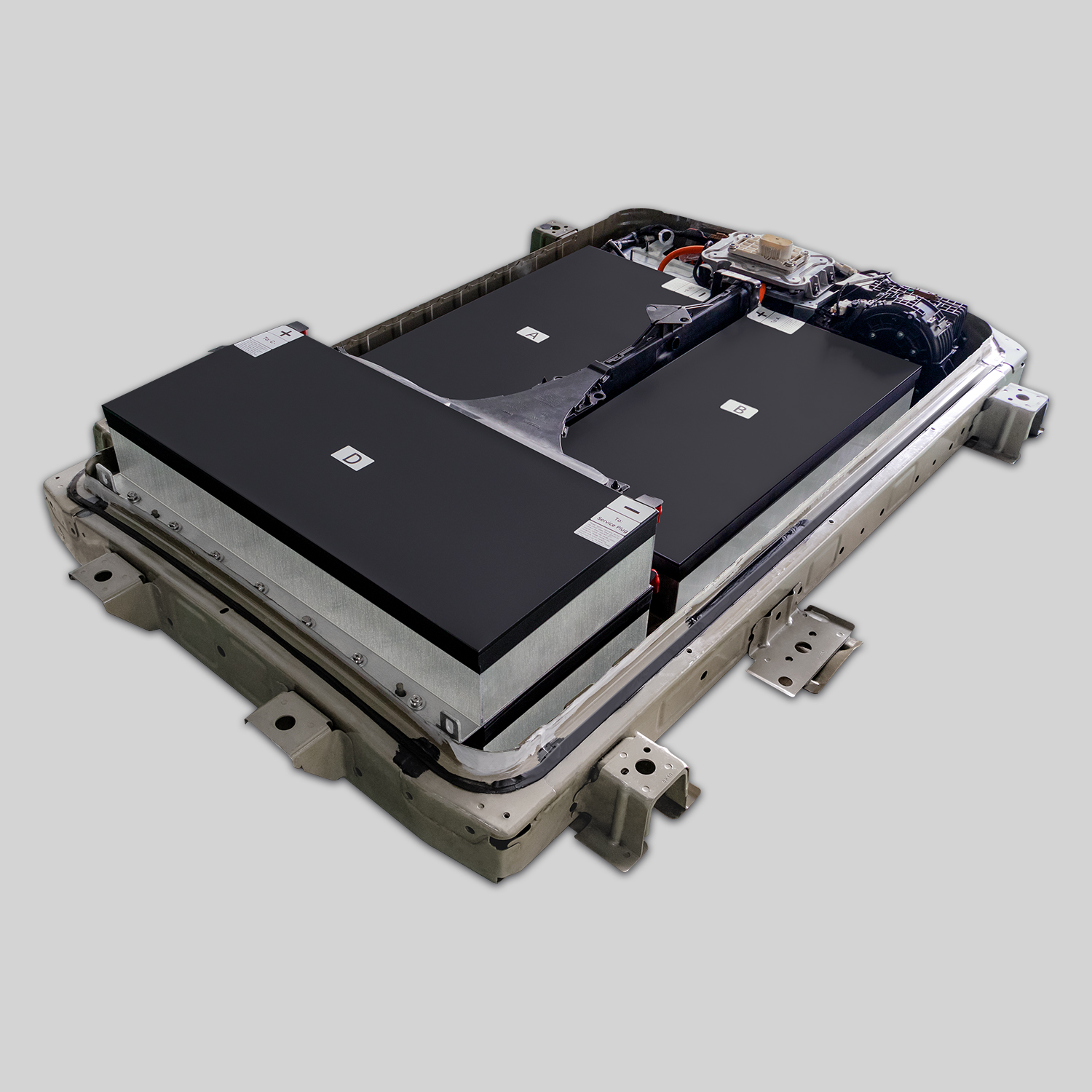
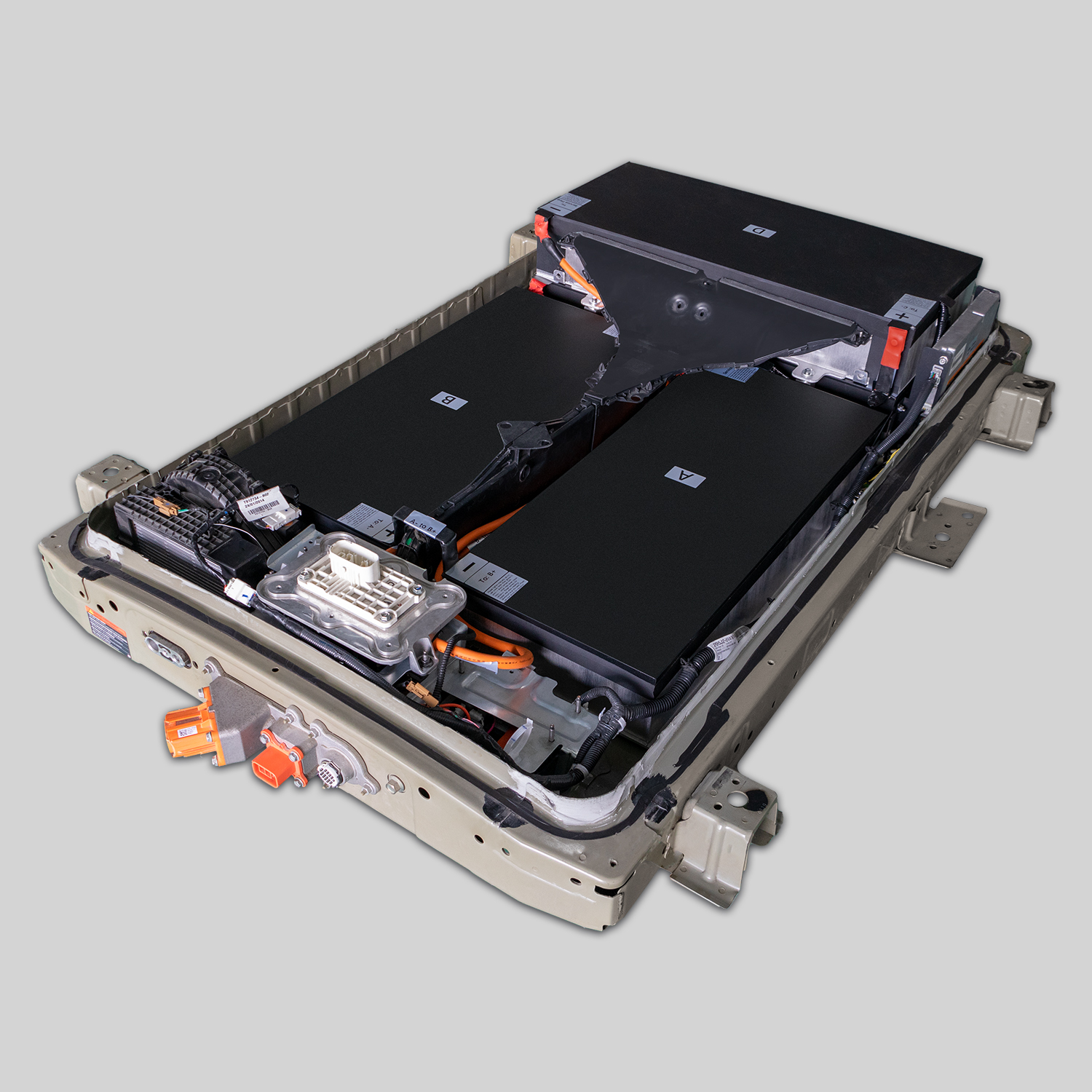
Dealerships charge a premium for the Nissan badge. However, the physical specifications—voltage, dimensions, and connector types—are standardized. By sourcing a pack designed to those exact OEM standards (often using superior modern cells like CATL), you bypass the luxury markup while maintaining perfect compatibility.
2. The “New vs. Refurbished” Math
Many fleet managers are tempted by “cheap” refurbished batteries. However, the Leaf ZE0’s original battery chemistry (Laminated Laminate) is prone to degradation. Buying a “rebuilt” pack often means buying someone else’s old problems.
- The Risk: Used cells have unpredictable lifespans. One cell failure can take down the entire 24kWh or 30kWh module.
- The Savings: Investing slightly more in a brand new lithium-ion pack guarantees a full cycle life. You save money by not having to tow the vehicle back to the shop for a second replacement.
3. Standardized Installation Cuts Labor Costs
One of the biggest hidden costs in fleet maintenance is labor variance. If every battery you install has a different wiring harness or mounting bracket, your mechanics lose time.
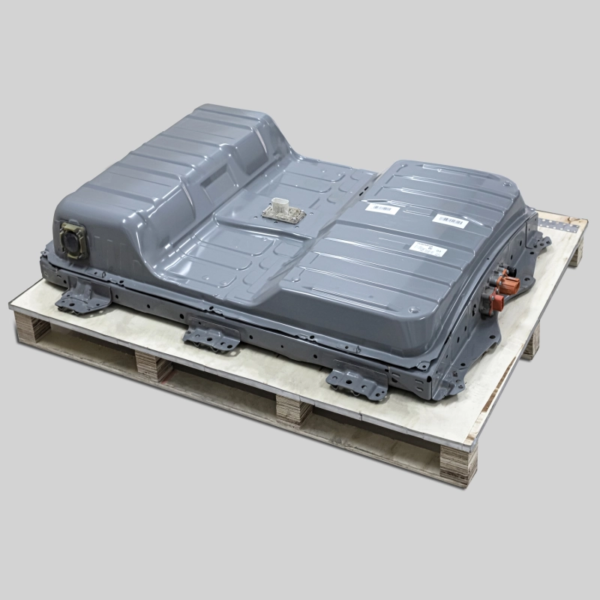
OEM-compatible packs are designed as drop-in replacements. This means:
- No Modifications: No cutting, drilling, or custom bracket fabrication.
- Predictable Labor: Mechanics can replace a battery in roughly 1-2 hours consistently, allowing you to budget labor costs accurately.
A Step-by-Step Guide to Installing Your Leaf ZE0 Battery
As a technical expert, I recommend following this process to ensure your installation is smooth and cost-effective. This isn’t just about swapping parts; it’s about maintaining the integrity of the Battery Management System (BMS).
Step 1: The Pre-Installation Check (The VIN Check)
Do not order blindly. Before purchasing, provide your Vehicle Identification Number (VIN) to the supplier.
- Why? Early ZE0 models (2011-2012) and later models (2013-2015) have slight variations in the BMS communication protocol.
- The Savings: A free compatibility check prevents a $5,000 mistake. It ensures the new battery’s software speaks perfectly to your car’s computer, avoiding “Brick” scenarios where the car doesn’t recognize the battery.
Step 2: The Physical Swap (1-2 Hours)
This is where the OEM design shines. The installation is essentially a mechanical transfer:
- Lift the Vehicle: Standard procedure.
- Disconnect: Remove the undertray and disconnect the high-voltage (HV) and low-voltage (LV) connectors.
- Unbolt: Remove the 4-6 main bolts securing the pack.
- Swap: Lift out the old pack and lower in the new one.
- Reconnect: Bolt it down and reconnect the harnesses.
Pro Tip: Ensure your mechanics wear proper insulated gloves. While the ZE0 voltage is relatively low (around 360V), safety protocols are non-negotiable for fleet liability.
Step 3: BMS Programming (The Critical Step)
This is the step that separates a professional job from a disaster. A new battery pack needs the BMS to “register” the new cells.
- The Process: This usually requires a brief video call with the battery supplier’s technical support or a dealership tool.
- The Savings: Skipping this step (or doing it wrong) can result in the car showing zero charge or refusing to charge. Getting it right the first time avoids costly towing fees and diagnostic hours.
Why This Strategy Builds Long-Term Trust
As a fleet manager, your reputation relies on uptime. By choosing a new OEM-compatible battery, you gain three crucial advantages that build trust with your stakeholders:
- Extended Warranty: Unlike used batteries (often sold “as-is”), quality new aftermarket packs come with substantial warranties (e.g., 2 years / 80,000 km). This shifts the risk from your balance sheet to the manufacturer’s.
- Predictable Performance: You know the exact kWh rating (40kWh, 50kWh, or 62kWh upgrade options). This allows you to accurately forecast range for your drivers.
- Lifetime Technical Support: Having a direct line to engineering support (not just a call center) means when a rare issue arises, it is fixed in minutes via video call, not days.
Frequently Asked Questions (FAQ)
Q: Can I really install a new battery in my old ZE0 without modifying the car?
A: Yes. A true OEM-compatible pack is engineered to fit the original chassis dimensions and use the original connectors. There is no need to modify the vehicle’s body, wiring, or cooling system. It is a direct drop-in replacement.
Q: How much money will I actually save compared to a Nissan dealer?
A: You can expect to save 50% or more. While a dealer might charge $15,000+, a high-quality new aftermarket solution typically costs between $5,000 and $8,000, depending on the capacity (kWh) you choose.
Q: Is it safe to use a non-Nissan battery?
A: Safety depends on the cell quality and manufacturing standards, not the brand label. Look for suppliers using brand-new cells from reputable manufacturers (like CATL) and who adhere to strict quality control processes. Avoid “box of cells” builds or recycled modules, as these are fire risks.
Q: What if my mechanics get stuck during installation?
A: Choose a supplier that offers video-guided installation support. Reputable manufacturers provide step-by-step video tutorials and offer live video calls with engineers to walk your mechanics through the process, ensuring a perfect installation the first time.
Q: Will this void my vehicle’s warranty?
A: Generally, replacing the battery with an aftermarket part does not void the entire vehicle warranty. However, it may void the powertrain warranty specifically. It is crucial to get a VIN compatibility check before purchasing to ensure the new battery does not conflict with the car’s software, which could cause diagnostic errors.
Ready to cut your fleet’s maintenance costs? Get a free quote for your Nissan Leaf ZE0 battery replacement today.