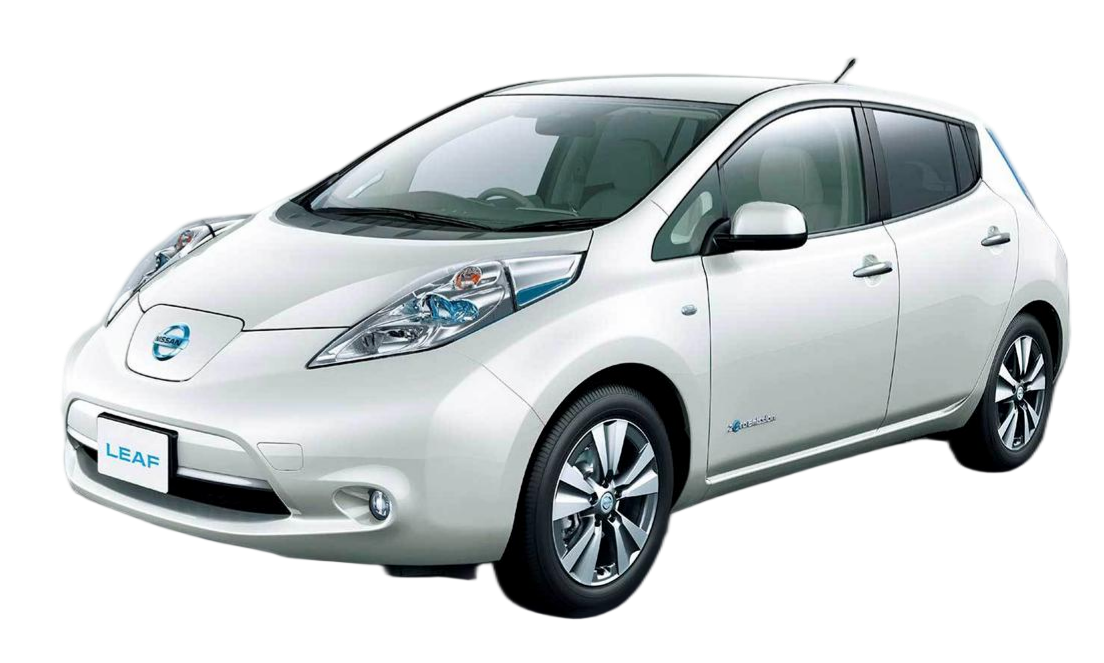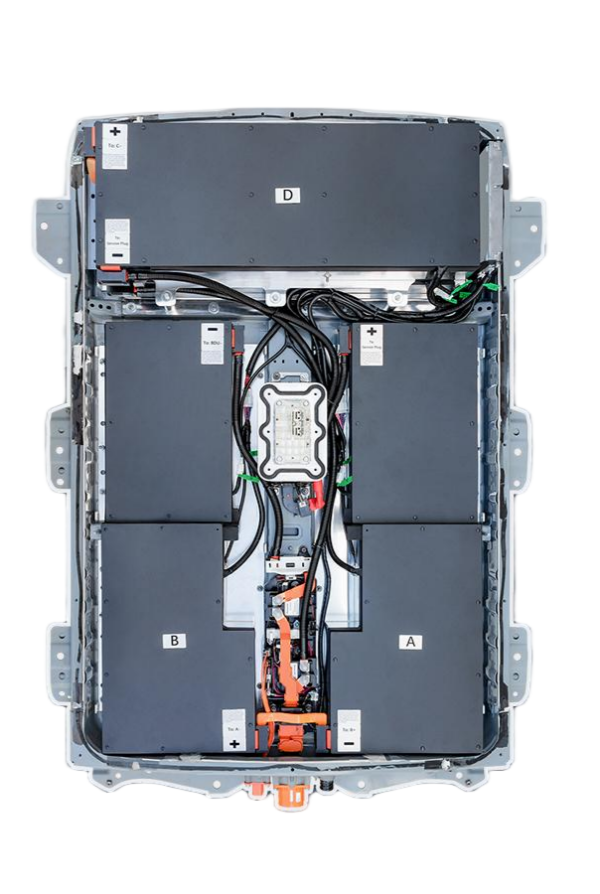
❄️ The 2026 Winter Survival Guide: Maximizing Your Nissan Leaf 62kWh Range
For Nissan Leaf owners, the arrival of winter often brings a sinking feeling. You know the drill: you get into your car on a cold morning, and suddenly, your trusty 62kWh battery shows a range that’s been slashed by 30%, 40%, or even more. It’s not just an inconvenience; it’s range anxiety at its worst.
But what if we told you that this “winter range loss” isn’t just a flaw in your car, but a challenge that can be engineered around? As a leading manufacturer of OEM-compatible EV batteries specializing in Nissan and BMW models, we at CNS BATTERY have spent over a decade analyzing battery performance in extreme conditions.
This guide isn’t just about surviving the cold; it’s about reclaiming your range. We’ll break down exactly why your 62kWh battery suffers in winter and, more importantly, how upgrading to a high-performance solution can make those freezing mornings a non-issue.
❓ Why Does My 62kWh Battery Range Drop in Cold Weather?
Before we talk about solutions, you need to understand the physics. When the temperature drops, your lithium-ion battery doesn’t just “get cold”; its internal chemistry slows down.
- The Viscosity Effect: Just like engine oil thickens in winter, the electrolyte inside your battery becomes more viscous. This makes it harder for lithium ions to move between the anode and cathode, reducing the battery’s ability to deliver power.
- Cabin Heating: Unlike gasoline cars that use waste engine heat, your Leaf uses pure battery power to heat the cabin. Running the heater is the single biggest drain on your winter range.
- Battery Warm-Up: Modern EVs like the Leaf have thermal management systems. In winter, the car must expend energy just to warm the battery pack to an optimal operating temperature before it can even drive efficiently.
For a standard 62kWh Leaf, this can mean a “rated” range of 220+ miles dropping to a stressful 120-140 miles in sub-zero temperatures.
🛠️ 3 Proven Fixes to Combat Winter Range Loss
While you can’t change the weather, you can change how your vehicle responds to it. Here are the top three strategies to fix your winter range woes.
1. Master the “Pre-Conditioning” Strategy
The cheapest fix is right at your fingertips: timing.
- Charge While Warm: Always plug in your Leaf. The car draws power from the grid, not the battery, to warm itself up.
- Timed Charging: Set your charging to finish just before you leave. A warm battery retains more charge when you unplug.
- Pre-Heat: Use the NissanConnect app to turn on the cabin heat while the car is still plugged in. This ensures you get in a toasty car without draining the battery for heating.
2. Optimize Your Driving Style
Aggressive driving is the enemy of winter range.
- Smooth Acceleration: Jackrabbit starts consume massive amounts of power. Accelerate gently to maintain traction and efficiency.
- Use Eco Mode: Engage Eco Mode to limit power output and maximize every kilowatt-hour.
- Regenerative Braking: Use the e-Pedal or regenerative braking aggressively. Every time you brake, you recharge the battery slightly, which also generates a small amount of heat to keep the pack warm.
3. The Ultimate Fix: Upgrade to a High-Capacity, Cold-Weather Optimized Battery
If the above tips aren’t enough, it might be time to address the root cause: the battery itself.
This is where our expertise at CNS BATTERY comes in. We don’t just sell batteries; we engineer solutions for real-world conditions, including the harsh winters our customers face globally.
🔋 The CNS BATTERY Advantage: Built for Winter Resilience
When your current battery is struggling to make it through the day, the logical step is to upgrade to a larger capacity. However, not all aftermarket batteries are created equal. Many “refurbished” or low-quality packs fail spectacularly in the cold.
Here is why our Nissan Leaf 62kWh and 68kWh Lithium Battery Packs are the superior choice for cold climates:
✅ 1. Brand-New CATL Cells: Superior Chemistry
We utilize brand-new, original battery cells from CATL (Contemporary Amperex Technology Co. Limited), one of the world’s largest and most advanced battery manufacturers.
- Why it matters: CATL cells have a more robust chemical structure and better thermal stability compared to recycled or older-generation cells. This means they perform more efficiently in low temperatures and don’t suffer the same catastrophic degradation as “used” cells when it’s freezing.
✅ 2. Advanced Thermal Management
Our packs are engineered to OEM standards, but we focus heavily on the Battery Management System (BMS).
- Why it matters: Our BMS is programmed to manage heat distribution effectively. It prevents the “vicious cycle” of the battery getting too cold to accept a charge or deliver power. This ensures that even in -20°C conditions, your battery operates within a safe and efficient temperature window.
✅ 3. Double the Capacity, Double the Confidence
If your current 40kWh or old 62kWh pack leaves you anxious, upgrading to our 68kWh pack is a game-changer.
- The Math: If a standard 62kWh pack loses 40% of its range in winter (down to ~130 miles), a CNS 68kWh pack (with higher inherent efficiency) might only drop to ~180 miles. That extra buffer is the difference between making it home and being stranded.
Real-World Result: Javier R. from Paris (a city known for chilly winters) upgraded his 2014 Leaf ZE0 with our 68kWh battery. He reports: “Even in cold winter conditions, it maintains around 400km [250 miles], which is perfectly sufficient for long-distance travel.”
📊 The Cold Truth: New vs. Old vs. Refurbished
To help you make an informed decision, let’s compare how different battery solutions handle the cold.
| Feature | Refurbished/Used Batteries | Standard OEM Battery | CNS BATTERY (New CATL Cells) |
|---|---|---|---|
| Cell Quality | Aged, degraded cells | New (at time of car purchase) | Brand New CATL Cells |
| Winter Efficiency | Very Low (Chemistry degraded) | Moderate (Original specs) | High (Optimized BMS) |
| Warranty | Often None or Very Short | Standard Factory Warranty | 24 Months / 80,000km |
| Price | Cheap upfront, high failure risk | Very Expensive | 50% Savings vs OEM |
| Best For | Short-term fixes (high risk) | Daily drivers in mild climates | Long-term reliability & cold climates |
🚀 Ready to Conquer the Cold?
Don’t let winter turn your Nissan Leaf into a garage ornament. The solution isn’t just to drive less; it’s to upgrade to a powertrain solution designed for performance, regardless of the thermometer.
Whether you drive a Leaf ZE0, AZE0, ZE1, or e-NV200, we have the perfect high-capacity, cold-weather-ready battery to extend your range and improve your safety.
Stop worrying about the next frost. Get your personalized quote today and experience the difference of a CNS BATTERY.
Get Your Free Custom Quote Now
❓ Frequently Asked Questions (FAQ)
Q1: How much range will I actually lose in winter with a CNS Battery?
While no EV is immune to physics, our batteries using new CATL cells typically see a 10-15% improvement in winter retention compared to degraded OEM packs of the same capacity. For example, where a standard 62kWh Leaf might drop to 120 miles, our optimized pack will likely deliver closer to 140-150 miles in the same conditions.
Q2: Does the 2-year warranty cover me if the battery fails in the cold?
Absolutely. Our warranty covers defects in materials and workmanship. If your battery fails to hold a charge or deliver power due to internal faults (not user error) in cold weather, we provide free replacement or repair. We are so confident in our thermal management that we offer this industry-leading coverage.
Q3: Can I install this battery myself in the winter?
Yes, but with a caveat. The installation process is plug-and-play, but we strongly recommend installing the battery in a heated garage. Installing a cold battery can cause condensation inside the pack when you bring it into a warm environment, which is dangerous. If you must install it outside, let the battery acclimatize inside your home (unplugged) for 24 hours before installation.
Q4: How long does shipping take to [Europe/North America]?
We ship globally. Standard sea freight typically takes 4-8 weeks, while expedited services are available for urgent needs. We handle all DDP (Delivered Duty Paid) logistics, so you don’t have to worry about customs when your battery arrives before the deep freeze hits.