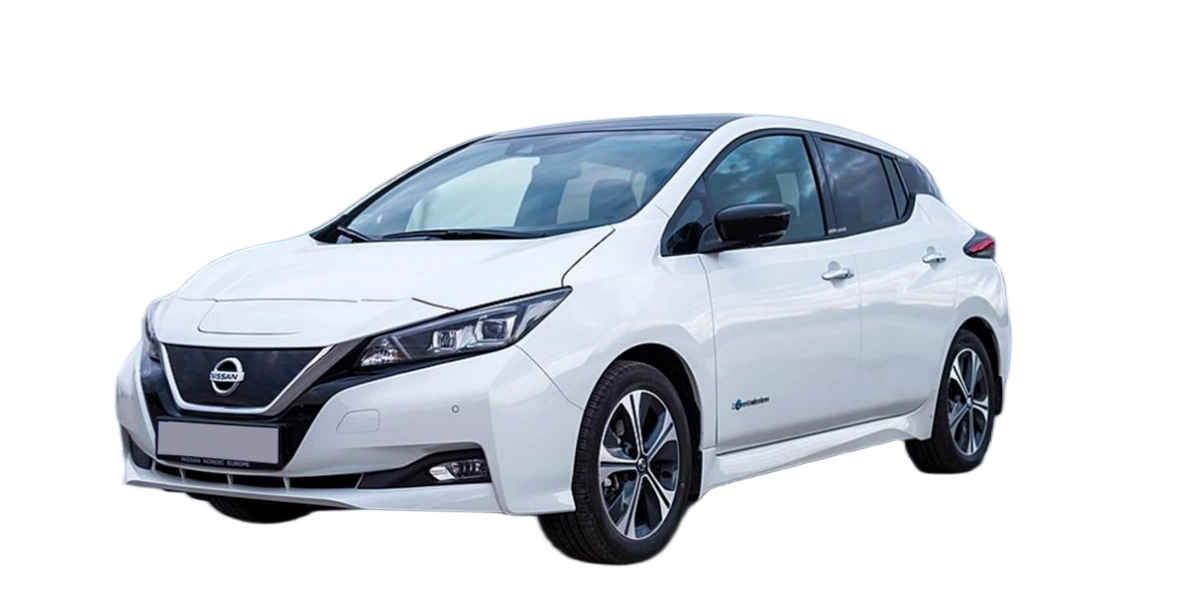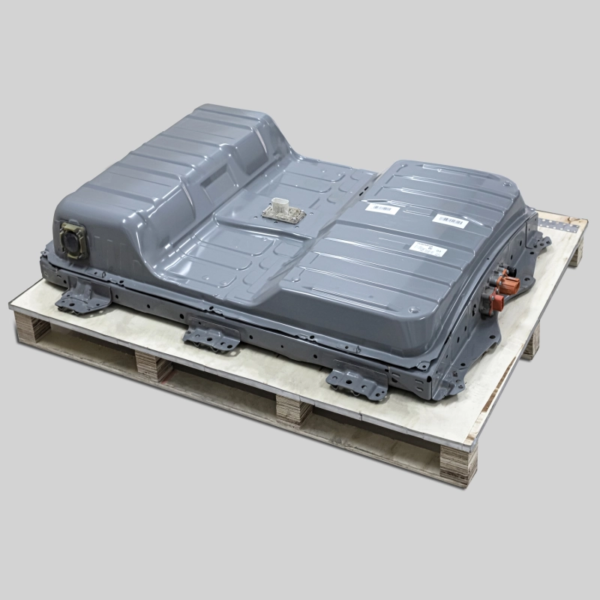
📉 The 2026 Winter Reality: Why Your Leaf AZE0 68kWh Range Drops (and How to Fix It)
It’s a familiar scene for any Leaf AZE0 owner: You wake up to a crisp morning, slide into the driver’s seat, and glance at the dashboard. The range estimate has plummeted overnight. You haven’t even driven an inch, yet your 68kWh battery seems to have shrunk. If you’re frustrated by this seasonal battery drain, you’re not imagining things. Cold weather is the single biggest enemy of lithium-ion batteries, and understanding why it happens is the first step to fighting back.
At CNS Battery, we’ve spent over a decade engineering high-performance powertrains for Nissan EVs. We know that range anxiety shouldn’t dictate your winter driving. This guide will explain the science behind the drop and, more importantly, show you how to maximize your winter range with the right equipment and habits.
❄️ Why Does Cold Weather Kill Your 68kWh Range?
Lithium-ion batteries thrive in moderate temperatures. When the mercury drops, several physical and chemical changes occur inside your Leaf AZE0’s battery pack.
1. The Viscosity Effect (The “Molasses” Problem)
Think of the electrolyte inside your battery like motor oil. When it’s cold, it thickens. This makes it harder for lithium ions to move between the anode and cathode. This reduced ion mobility directly translates to reduced capacity. Your battery isn’t broken; the chemicals are just sluggish.
2. The BMS and Heater Draw
Your Leaf AZE0 is equipped with a Battery Management System (BMS) that protects the cells. To charge effectively in the cold, the BMS must heat the battery. This heating process consumes a significant amount of energy—energy that would otherwise be used to power your wheels.
3. Regenerative Braking Reduction
To protect the cells from stress, your Leaf automatically reduces regenerative braking in freezing temperatures. If you normally rely on regen to recapture 10-20% of your energy on a highway commute, you lose that buffer in winter.
The 2026 Reality: While modern thermal management systems are improving, a 20-30% range loss in sub-zero conditions is still standard for most packs on the market today.
📊 Real-World Impact: 68kWh in Summer vs. Winter
To set realistic expectations, let’s look at how temperature affects the theoretical range of a Leaf AZE0 with a 68kWh pack.
| Condition | Avg. Temperature | Estimated Range | Usable kWh |
|---|---|---|---|
| Ideal (25°C) | 77°F | 230+ Miles (370+ km) | 68 kWh (100%) |
| Mild Winter (5°C) | 41°F | ~195 Miles (314 km) | ~58 kWh (85%) |
| Harsh Winter (-10°C) | 14°F | ~160 Miles (257 km) | ~48 kWh (70%) |
Note: These figures assume a healthy, new battery pack. Older or degraded batteries will see a steeper decline.
⚙️ The “Fix”: Why Battery Quality Matters Most
You can’t control the weather, but you can control the quality of the battery you install. This is where many Leaf owners go wrong. They try to save money on a refurbished or low-quality aftermarket pack, only to find it falls apart in the cold.
Here is the hard truth: Cheap batteries fail first in winter.
The Refurbished Trap
Many “budget” battery suppliers use recycled cells. These cells have uneven internal resistance and degraded electrolytes. When the temperature drops, these weak cells hit their voltage limits much faster than new cells, forcing the car to cut power prematurely.
The CNS Solution: Brand New CATL Cells
At CNS, we don’t use recycled cells. Our Nissan Leaf batteries, including the 68kWh upgrade, utilize brand-new, A-grade cells from CATL (Contemporary Amperex Technology Co. Limited), the world’s largest battery manufacturer.
- Consistency: New cells have uniform internal resistance, meaning they discharge evenly even when cold.
- Electrolyte Quality: High-grade electrolytes maintain better ionic conductivity in low temperatures compared to aged electrolytes found in refurbished packs.
- Thermal Management: Our packs are engineered to OEM standards, ensuring the BMS and heating elements function flawlessly to keep the cells in their optimal operating window.
The Result: While a cheap pack might leave you stranded at 40% SOC in a snowstorm, a CNS battery will deliver the full rated capacity, winter or summer.
🧣 5 Practical Hacks to Maximize Winter Range
Even with the best battery, you need to drive smart in the cold. Here are our top tips from the CNS engineering team:
1. Precondition While Plugged In
Never start your journey with a cold battery. Use the timer function (or plug in your car) to allow the BMS to heat the battery while it is still connected to the charger. This ensures maximum efficiency from the moment you unplug.
2. Embrace Seat Heaters Over Cabin Heat
Heating the entire cabin is an energy hog. If your Leaf AZE0 has them, use the seat heaters and steering wheel heater. They use a fraction of the energy of the blower fan but keep you just as warm.
3. Slow and Steady Wins the Range
Aggressive acceleration causes high current draw, which generates heat but wastes energy through resistance. In winter, drive like you have a cup of hot coffee on the dashboard—smooth and gradual.
4. Keep it Plugged In
If you have access to a garage or charging point, keep your Leaf plugged in overnight. This allows the BMS to maintain the battery at a warmer temperature, preventing the “overnight drain” effect.
5. Tire Pressure
Cold air reduces tire pressure. Under-inflated tires increase rolling resistance, which drains your range. Check your pressure weekly during winter months.
🚀 Why Upgrade to a 68kWh CNS Battery?
If you’re still driving on the original 40kWh or 62kWh pack, winter is the worst time to be an EV owner. The solution isn’t just maintenance; it’s upgrading your hardware.
Our 68kWh Lithium Battery Pack is specifically designed to combat range anxiety:
- Massive Capacity: 68kWh gives you a buffer. Even if you lose 30% in winter, you’re left with a usable range that rivals the summer range of smaller packs.
- OEM Compatibility: It fits the Leaf AZE0 chassis perfectly without modifications.
- Longevity: Backed by our industry-leading warranty, this pack is built to last through multiple winters.
Don’t let the cold dictate your driving life. With the right CNS battery and these driving techniques, you can turn winter range loss into a minor inconvenience rather than a dealbreaker.
❓ Frequently Asked Questions (FAQ)
Q1: Can I install a 68kWh battery on my older Leaf model?
Yes, but compatibility depends on the chassis. The 68kWh pack is a direct fit for the Leaf AZE0 (and later models). If you have a ZE0 or ZE1, you may need chassis modifications. Contact our technical experts to confirm your specific VIN compatibility.
Q2: How long does the installation take?
For a professional technician, installing a CNS battery typically takes 1-2 hours. We provide detailed step-by-step installation videos and PDF manuals. If you are a DIY enthusiast, we also offer remote video guidance to ensure a safe and successful swap.
Q3: What is the warranty on CNS batteries in cold climates?
We stand by our quality. All CNS Automotive Batteries come with a minimum 2-year / 80,000 km warranty. This covers defects in materials and workmanship. We also offer prorated coverage for performance degradation, guaranteeing your battery maintains at least 70% capacity over the warranty period—even in harsh winter conditions.
Q4: Are CNS batteries truly compatible with the Leaf AZE0 BMS?
Absolutely. We engineer our packs to meet OEM standards, including voltage, capacity, and interface matching. Our BMS programming is designed to communicate seamlessly with the Leaf AZE0 vehicle systems, ensuring features like regenerative braking and temperature management work flawlessly.
Ready to conquer the cold with a reliable, high-capacity battery?
Contact our technical experts now for a free customization quote.