
How Cold Weather Affects Your e-NV200 Combi 30kWh Range (and How to Fix It)
As winter sets in here in Zhengzhou, I often hear from fellow electric vehicle enthusiasts about the dreaded “range anxiety.” If you drive a Nissan e-NV200 Combi 30kWh, you likely know this feeling well. One moment you have a full charge, and the next, watching the battery percentage plummet while the heater runs is a stressful experience.
The reality is that the 30kWh battery pack in the e-NV200 is particularly vulnerable to cold temperatures. This isn’t just about discomfort; it’s a technical limitation of the chemistry inside those aging cells.
This guide will explain exactly why your range drops in winter and, more importantly, provide actionable solutions—from maintenance tips to the ultimate hardware fix—to ensure you aren’t stranded when the temperature drops.
🧊 The Science: Why Your 30kWh Battery Struggles in the Cold
To understand the range loss, we need to look at the battery chemistry. Most e-NV200 models use Lithium Nickel Manganese Cobalt Oxide (NMC) batteries.
The Viscosity Effect
When temperatures drop below 15°C (59°F), the electrolyte liquid inside the battery cells becomes thicker, or more viscous. This makes it harder for lithium ions to move between the anode and cathode. Think of it like trying to run through waist-deep water versus running on a dry track.
The Energy Tax of Heating
Unlike gasoline cars that use waste engine heat to warm the cabin, your e-NV200 Combi draws heating power directly from the 30kWh battery. A standard electric heater can consume between 2kW to 4kW of power. When your total battery capacity is only 30kWh, diverting that much energy to keep you warm creates a massive drain.
The Math of Winter Range
- Summer Range: ~160-180 km (100-112 miles)
- Winter Range (With Heater): Often drops to 80-100 km (50-62 miles) or less.
🛠️ 3 Ways to Fix Your Winter Range Woes
While you can’t change the laws of physics, you can change how you manage your battery. Here are three tiers of solutions, ranging from quick hacks to permanent upgrades.
1. Optimize Your Charging Habits (The Free Fix)
The way you charge your e-NV200 battery in winter makes a significant difference.
- Charge to 100%: Unlike summer, where you might stop at 80% to preserve battery health, in winter, charge to 100%. You need every electron you can get.
- Pre-Conditioning: If your model allows it, or if you have a timer, try to keep the battery plugged in until just before you leave. The car can use grid power to keep the battery warm, rather than draining the battery itself to heat up from a cold start.
- Avoid Fast Charging When Cold: If your battery is frozen, resist the urge to DC fast charge immediately. This can damage the cells. Drive for 10-15 minutes to warm the pack first, or use a slow AC charge to warm it up gently.
2. Drive Smarter, Not Harder
Your driving style directly impacts the resistance the battery faces.
- Block Heating: Instead of running the heater constantly, use the “Econ” mode and wear a warm jacket. Heat the cabin in blocks rather than continuously.
- Smooth Acceleration: Jackrabbit starts in an electric van require massive current draws, which generate heat loss in the cables and reduce efficiency. Accelerate gently to preserve range.
3. The Ultimate Fix: Upgrading to a Modern Battery Pack
If you are tired of the anxiety, the most effective solution is upgrading your hardware. The original 30kWh pack is simply too small for modern demands, especially in cold climates.
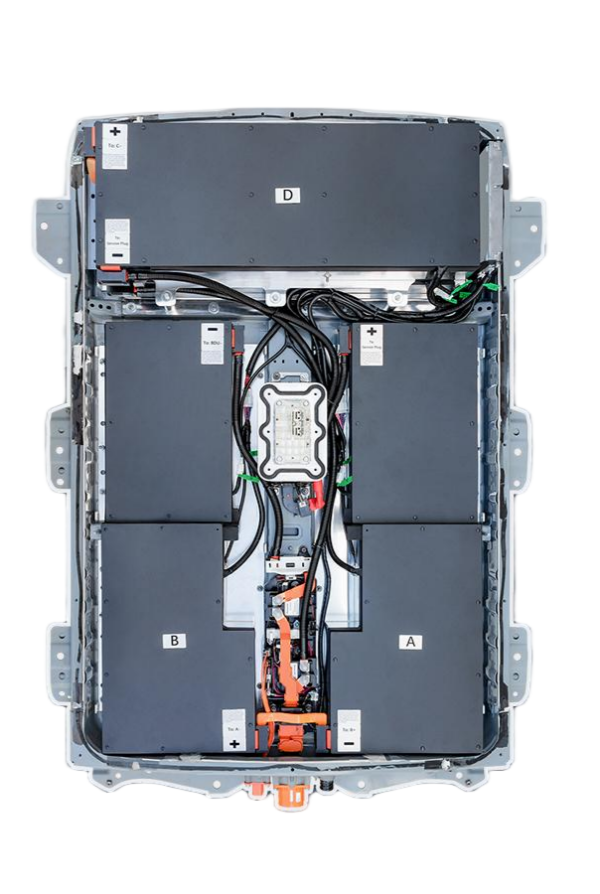
At CNS BATTERY, we specialize in manufacturing high-performance lithium-ion battery solutions specifically for Nissan models. We don’t just repair old cells; we build new packs designed for durability and range.
Why Upgrade Your e-NV200 Battery?
Upgrading from the stock 30kWh to a modern 50kWh or 62kWh lithium battery pack is a game-changer:
- Doubling Your Buffer: With a larger capacity, losing 40% of your range to cold weather still leaves you with a usable 30kWh—effectively giving you the original range of the car, but without the anxiety.
- Advanced Chemistry: Our packs utilize brand-new cells from top-tier manufacturers like CATL. These cells often have better cold-weather performance characteristics and are paired with intelligent Battery Management Systems (BMS) that actively manage temperature.
- Plug-and-Play Compatibility: We engineer our packs to fit the e-NV200 chassis perfectly, maintaining OEM standards so you don’t need to modify your van.
📊 Comparing Solutions: Stop-Gap vs. Permanent
Let’s compare the different approaches to managing your winter range.
| Solution | Cost | Effectiveness in Cold | Longevity |
|---|---|---|---|
| Software/App Hacks | Low | ⭐⭐ (Minimal) | Temporary |
| Driving Technique | Free | ⭐⭐⭐ (Moderate) | Requires constant effort |
| Battery Pre-Heat | Medium | ⭐⭐⭐⭐ (High) | Dependent on charging access |
| Battery Upgrade (50kWh+) | High | ⭐⭐⭐⭐⭐ (Complete Fix) | 8-10 Years |
Expert Insight: As a battery engineer, I always tell clients that the best way to fight cold weather is with capacity. A larger, modern battery pack doesn’t just solve the range issue; it solves the stress.
🛡️ Protecting Your Investment
Whether you are maintaining your current 30kWh pack or considering an upgrade, safety and reliability are paramount. Lithium batteries require precise engineering to avoid risks like thermal runaway.
When looking at replacement options, ensure the manufacturer offers:
- Robust Warranty: Confidence in the product.
- OEM Standards: Precise fitment and interface matching.
- Certified Cells: Use of reputable cell brands (like CATL, LG, or Panasonic).
Here at CNS, we stand by our 2-year / 80,000 km warranty, one of the strongest in the industry, because we manufacture our packs to the highest safety standards. We understand the frustration of a degraded battery, and we are committed to providing a solution that lets you drive with peace of mind, regardless of the season.
❓ Frequently Asked Questions (FAQ)
Q1: Can I physically install a larger battery (like 62kWh) in my e-NV200 Combi?
Yes, but it requires expert engineering. The physical dimensions and mounting points of the original 30kWh pack are specific. Companies like CNS BATTERY design upgraded packs that are “drop-in” replacements, meaning they fit the existing chassis and electrical connectors without modification. However, you should always consult a technical expert to confirm compatibility with your specific year and model before purchasing.
Q2: How much does a battery upgrade typically cost?
While prices vary based on capacity and cell quality, a high-quality replacement or upgrade pack generally costs significantly less than buying a new vehicle. At CNS, we aim to provide solutions that save you over 50% compared to original manufacturer prices, offering a cost-effective way to revitalize your van without the massive expense of a new car.
Q3: Is it safe to leave my e-NV200 plugged in overnight in winter?
Yes, it is generally safe and highly recommended. Keeping your van plugged in allows the car to use grid power to maintain the battery temperature. This prevents the battery from having to use its own stored energy to heat up when you start driving, preserving your driving range. Modern EVs and quality aftermarket chargers have safety mechanisms to prevent overcharging.
Q4: What is the lifespan of a new lithium battery pack in cold climates?
A high-quality lithium-ion battery pack, like those we manufacture at CNS, is designed for longevity. Even in cold climates, you can expect a lifespan of 8 to 10 years or 200,000 to 300,000 kilometers, provided the battery is properly maintained. Our packs use superior thermal management systems to mitigate the long-term effects of temperature extremes.
Don’t let winter weather dictate your driving schedule. If you are ready to upgrade your Nissan e-NV200 Combi with a reliable, high-capacity battery solution, our team of technical experts is here to help.


