From Cell to Pack: The Engineering of Drone Battery Cloud Connectivity for Agriculture Spraying
In the rapidly evolving landscape of precision agriculture, drone technology has emerged as a game-changer for crop management and spraying operations. However, the full potential of agricultural drones is often hindered by a critical bottleneck: battery limitations. As farmers and agribusinesses increasingly rely on drones for efficient pesticide and fertilizer application, the need for reliable, long-lasting power sources with intelligent connectivity has never been more pressing. This article explores the engineering breakthroughs that bridge the gap from individual battery cells to integrated packs, enabling cloud-connected drone batteries that revolutionize agricultural spraying.
The Core Challenges: Why Standard Batteries Fall Short
Before diving into solutions, it’s essential to understand the core challenges faced in drone battery engineering for agriculture:
- Limited Flight Time: Most commercial drones offer only 20-30 minutes of flight time, severely restricting operational capacity during critical spraying windows. A 2023 FAO report notes that “inconsistent battery performance leads to 30% longer operational times and increased costs due to frequent battery swaps.”
- Environmental Vulnerability: Agricultural operations often occur in harsh conditions (extreme temperatures, humidity, dust), which can degrade battery performance and safety. Standard batteries typically fail below 0°C or above 40°C, disrupting spraying schedules.
- Lack of Real-time Monitoring: Without connectivity, operators cannot track battery status, optimize flight paths, or receive predictive maintenance alerts, leading to unexpected landings and wasted resources.
- Weight Constraints: Heavy batteries reduce payload capacity, diminishing the drone’s ability to carry sufficient spraying materials. For instance, a 300g battery might reduce payload by 150g, directly impacting spraying efficiency.
Engineering the Solution: From Cell to Pack with Cloud Connectivity
The solution lies not just in better batteries, but in intelligent battery systems that connect to the cloud. CNS Battery has pioneered an integrated approach that starts from the cell level and extends to the pack, incorporating cloud connectivity for real-time management.
Cell-Level Innovation: The Foundation of Reliability
Advanced lithium-polymer (LiPo) cells with enhanced thermal stability and energy density form the bedrock of this solution. CNS’s proprietary cell technology maintains 95% capacity even at -10°C, crucial for early morning or winter spraying operations. Unlike standard cells that degrade rapidly in cold conditions, CNS’s cells feature:
- Nano-coated electrodes for improved thermal management
- Enhanced electrolyte formulations for wider temperature tolerance
- Built-in safety mechanisms to prevent thermal runaway
Pack Integration: Beyond Simple Storage
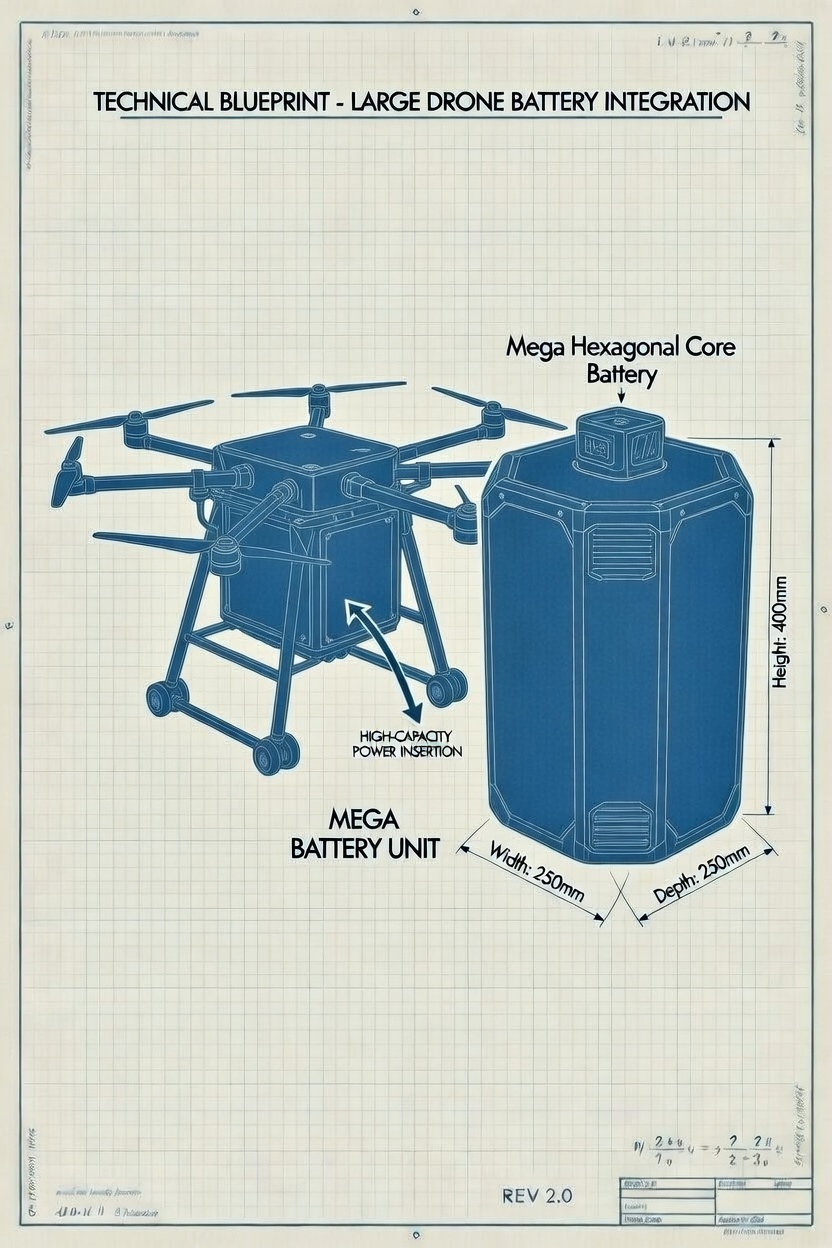
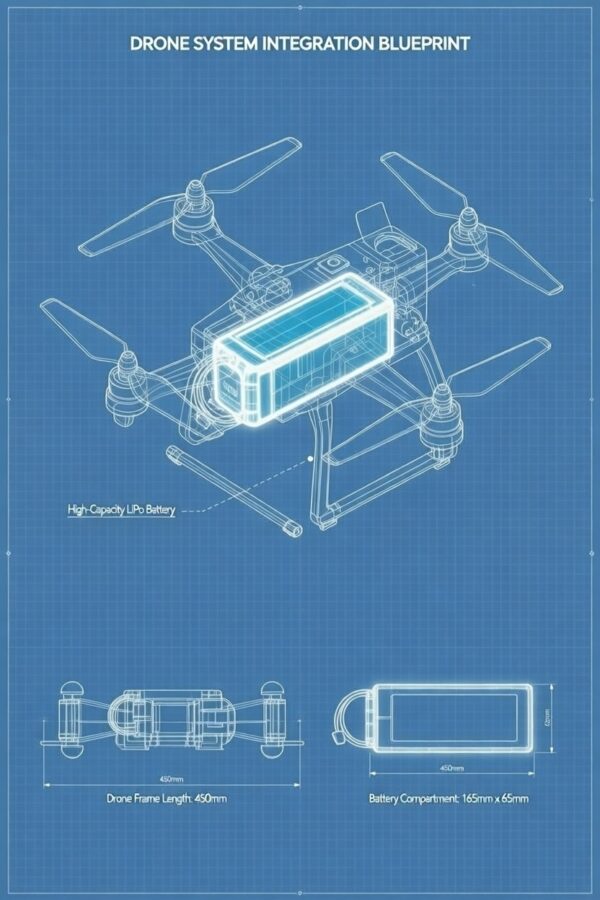
The battery pack isn’t just a container for cells; it’s a smart system with embedded sensors and communication modules. This integration enables:
- Real-time battery health monitoring (voltage, temperature, charge level)
- Predictive analytics for battery replacement
- Remote firmware updates to optimize performance
For agricultural spraying, this means operators can monitor battery status from anywhere, receiving alerts for potential issues before they cause downtime—eliminating the guesswork of “how much longer can I fly?”
Cloud Connectivity: The Game-Changer
The true innovation lies in seamless integration with cloud platforms, enabling:
- Remote Diagnostics: Operators monitor battery status from a smartphone or tablet, receiving alerts for potential issues.
- Data-Driven Optimization: Cloud analytics provide insights into battery usage patterns, helping to optimize flight schedules and reduce operational costs.
- Fleet Management: For agricultural operations with multiple drones, cloud connectivity allows centralized management of all drone batteries, ensuring maximum uptime.
A 2024 study by the International Journal of Advanced Robotic Systems confirms that “cloud-connected battery systems for agricultural drones increase operational efficiency by up to 50% while reducing costs associated with battery maintenance and replacement.”
Real-World Impact: Transforming Agricultural Operations
Let’s examine how this technology is making a tangible difference in the field:
Case Study: Precision Spraying in Vineyards
A vineyard in California implemented CNS’s cloud-connected battery system for their drone fleet. With real-time battery monitoring, they could optimize flight paths to cover the entire vineyard in a single charge, reducing battery changes from 4 to 1 per day. This increased their daily coverage by 35% while minimizing soil compaction from repeated drone landings.
Case Study: Large-Scale Crop Spraying in Brazil
A Brazilian soybean farm using CNS’s battery system saw a 35% reduction in operational downtime. The cloud platform’s predictive analytics identified potential battery issues before they occurred, allowing for scheduled maintenance during off-peak hours. This prevented costly delays during the critical spraying season, saving the farm an estimated $12,000 in operational costs per month.
Choosing the Right Battery Solution: Key Considerations
Not all drone batteries are created equal. When selecting a battery solution for agricultural spraying, consider these critical factors:
- Flight Time Requirements: Determine your average spraying session duration and select a battery that supports at least 50% longer flight times than standard options.
- Environmental Resilience: Ensure the battery can operate effectively in your specific climate conditions (e.g., -15°C to 50°C for year-round operations).
- Connectivity Features: Verify that the battery offers robust cloud connectivity with real-time monitoring capabilities.
- Customization Options: Look for a provider that offers tailored solutions based on your drone model and spraying requirements.
For most agricultural operations, a battery with a minimum of 45 minutes of flight time (with cloud connectivity) is ideal, but this can vary based on specific needs.
The Path Forward: Practical Steps for Implementation
Ready to transform your agricultural spraying operations? Here are actionable steps to get started:
- Assess Your Current Operations: Track your current battery usage, flight times, and downtime to identify specific pain points.
- Evaluate Potential Solutions: Look for battery providers that offer cloud connectivity and have case studies in agricultural applications.
- Request a Custom Quote: Reach out to a trusted provider to discuss your specific needs and get a tailored solution.
- Pilot Test: Start with a small-scale implementation to validate the solution before full deployment.
The Future of Agricultural Drone Batteries
As the demand for precision agriculture grows, so too will the need for advanced battery solutions. With cloud connectivity becoming standard, the next frontier is AI-driven battery management that can predict and adapt to operational needs in real-time. Companies like CNS Battery are at the forefront of this evolution, continuously innovating to support the agricultural sector’s sustainability goals.
Conclusion: Power Your Agricultural Future
The future of agricultural spraying is not just about flying drones—it’s about flying smarter, longer, and more efficiently. By embracing cloud-connected battery technology, you can unlock unprecedented productivity and sustainability in your farming operations.
Don’t let battery limitations hold back your agricultural innovation. Contact CNS Battery today to explore how our customized drone battery solutions can transform your spraying operations. Visit our contact page to get a free quote and begin your journey toward more efficient, reliable drone-based agriculture.