⚠️ Fixing Nissan Leaf HV Insulation Fault Issues: A Step-by-Step Guide
If you own a Nissan Leaf and see the dreaded “Check Charging System” warning light, or worse, experience the car entering “Turtle Mode” (where it drastically limits power), you are likely facing a high-voltage (HV) insulation fault. This error typically occurs when the insulation resistance between the high-voltage battery pack and the vehicle body drops below a safe threshold (usually below 100kΩ).
This guide will walk you through diagnosing the root cause and provide a definitive solution to get your Leaf back on the road safely and affordably.
🛑 Understanding the HV Insulation Fault
Before grabbing your tools, it’s crucial to understand what the error means. The HV Insulation Resistance is a safety feature that prevents electric shock and protects the battery management system (BMS).
Common Error Codes & Symptoms:
- DTC (Diagnostic Trouble Code): Usually related to
BCU(Battery Control Unit) orIPU(Intelligent Power Unit). - Dashboard Warnings: “Check Charging System,” “Turtle Mode,” or “Car System Off.”
- Driving Behavior: The car may still drive but with limited power, or it may refuse to charge.
Why It Happens:
- Moisture Intrusion: The most common cause. Water or condensation inside the battery casing corrodes terminals.
- Aging Components: As the Leaf ages (especially ZE0 and ZE1 models), the internal insulation materials degrade.
- Physical Damage: Impacts to the undercarriage damaging the battery casing or cables.
⚠️ Safety Warning: The Nissan Leaf battery operates at high voltage (360V+). Do not attempt to open the battery pack unless you are a certified EV technician. This guide focuses on diagnosis and the recommended repair path.
🔍 Step-by-Step Diagnosis
To confirm the fault is within the battery and not the charger or cables, follow these diagnostic steps:
1. Initial Check (Non-Invasive)
- Inspect the Charging Port: Look for any signs of moisture, debris, or burnt terminals.
- Check External Cables: Ensure there is no visible damage to the charging cables.
2. Measure the Insulation Resistance
You will need a professional insulation resistance tester (Megger).
- Procedure: Measure the resistance between the positive/negative terminals and the vehicle body (chassis ground).
- Result: If the resistance is below 100kΩ, the fault is confirmed.
3. Isolate the Fault
- Disconnect the BMS: If possible, disconnect the BMS harness. If the resistance jumps back to normal (MΩ range), the issue is likely within the BMS module or its wiring.
- Internal Inspection: If the resistance remains low, the fault is inside the battery modules or the main contactor.
Note: In most cases involving older Leafs (ZE0/ZE1), the fault is caused by corroded copper terminals inside the battery pack due to moisture ingress.
🛠️ The Permanent Solution: Battery Replacement
While it is technically possible to clean corroded terminals and repair insulation tape inside the pack, this is often a temporary fix. The moisture that caused the corrosion usually indicates that the battery’s internal environment is compromised, leading to rapid reoccurrence of the fault.
The most reliable and cost-effective solution is a complete battery replacement.
Why Choose a CNS Replacement Battery?
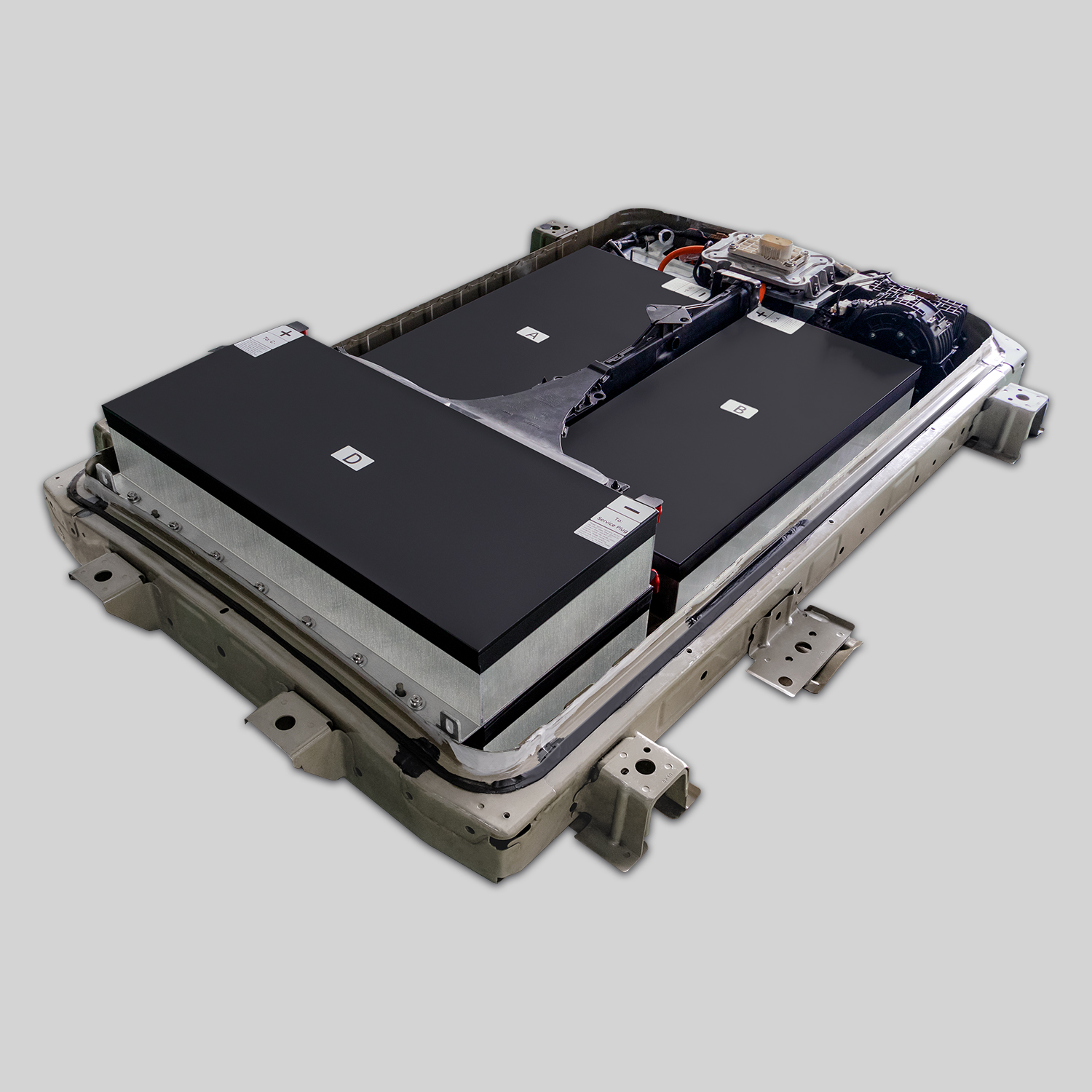
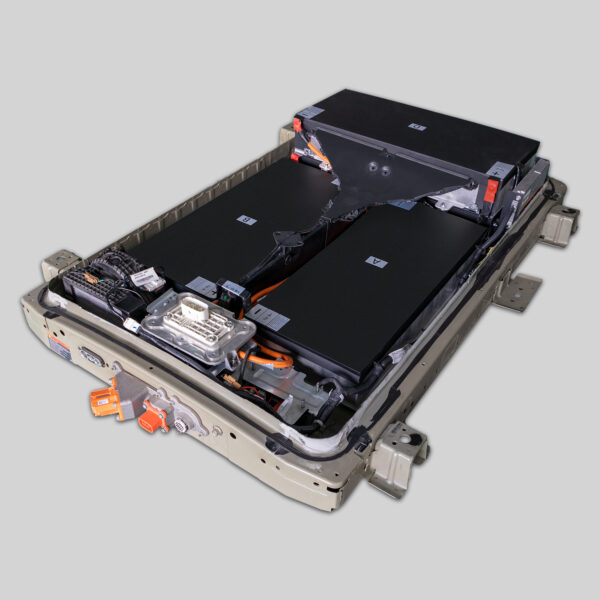
If your Nissan Leaf is suffering from chronic insulation faults, it is likely due to the age and degradation of the original cells and casing. Replacing the entire pack with a modern, high-quality unit from CNS BATTERY is the best path forward.
- Zero Moisture Risk: Our batteries are manufactured with advanced sealing technology, preventing the moisture ingress that causes insulation faults.
- Brand New CATL Cells: We utilize new, high-quality cells that do not suffer from the internal corrosion found in older packs.
- OEM Compatibility: Our packs are designed to fit Nissan Leaf models (ZE0, ZE1, AZE0) perfectly, ensuring the BMS communicates seamlessly without triggering false error codes.
Popular Replacement Options:
| Model Compatibility | Capacity Options | Key Benefit |
|---|---|---|
| Nissan Leaf ZE0 / ZE1 | 40kWh, 50kWh, 62kWh | Restores original range; fixes insulation faults permanently. |
| Nissan Leaf AZE0 | 40kWh, 50kWh, 62kWh | Modern design with superior thermal management. |
| Nissan e-NV200 | 40kWh, 50kWh | Ideal for commercial use; robust insulation design. |
💰 Cost Analysis: Repair vs. Replace
Many owners hesitate to replace the battery due to cost, but let’s look at the reality:
- Dealership Cost: Replacing a battery at a Nissan dealership can cost upwards of $16,000, making the car nearly worthless.
- Used/Refurbished Batteries: While cheaper ($2,000 – $4,000), these often have the same moisture and degradation issues as your current pack, meaning the HV Insulation Fault will likely return within months.
- CNS New Battery: We offer brand-new, high-performance lithium-ion battery solutions starting at a fraction of the OEM cost.
Our Value Proposition:
We provide Original Equipment Manufacturer (OEM) compatible batteries that save you 50%+ in costs compared to the factory, without the reliability risks of second-hand packs.
📝 Preventative Maintenance
To avoid future HV insulation faults after installing a new battery:
- Regular Inspections: Check the underbody shield for damage that could allow water to splash directly onto the battery.
- Avoid Deep Water: Do not drive through deep puddles or flooded areas.
- Storage: If storing the vehicle long-term, keep the State of Charge (SOC) between 40%-60% to reduce internal stress.
❓ Frequently Asked Questions (FAQ)
Q1: Can I drive my Nissan Leaf if it shows the HV Insulation Fault?
A: It is not recommended. While the car might enter “Turtle Mode” and allow limited driving, the risk of electrical shock or further damage to the BMS is high. Pull over safely and contact a technician.
Q2: Is the HV Insulation Fault covered under warranty?
A: If you purchase a new battery from CNS, yes. Our batteries come with a comprehensive warranty that covers defects in materials and workmanship, including internal insulation failures. We offer a minimum 2-year / 80,000km warranty, far exceeding the coverage available for used OEM batteries.
Q3: How long does it take to replace the battery?
A: For a professional technician, the replacement typically takes 1-2 hours. We provide step-by-step installation videos and technical support to ensure a smooth swap without damaging the new pack’s seals.
Q4: Will a new battery fix the “Check Charging System” light?
A: In the vast majority of cases, yes. If the root cause of the light was degraded cells or low insulation resistance inside the old pack, replacing it with a new CNS battery with pristine insulation resistance will clear the DTC and restore normal operation.
📞 Get Your Free Custom Quote
If you are tired of the “Turtle Mode” warning and the high costs of OEM repairs, it is time for a reliable upgrade.
Contact our technical experts now for customization. We will verify your VIN to ensure perfect compatibility and provide a personalized quote to get your Nissan Leaf driving like new again.