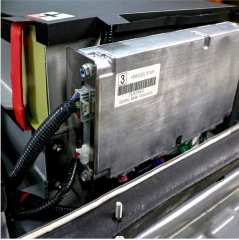
🛠️ Fixing Nissan e-NV200 BMS Programming Issues: A Step-by-Step Guide
If you are struggling with Nissan e-NV200 BMS programming issues after installing a new battery pack, you are not alone. Many owners and technicians face error codes or communication failures when trying to integrate a replacement Battery Management System (BMS) with the vehicle’s existing Electronic Control Unit (ECU).
At CNS BATTERY, we specialize in OEM-compatible lithium-ion solutions for Nissan and BMW electric vehicles. We understand that a seamless software handshake between the battery and the car is just as important as the physical hardware.
This guide provides a step-by-step troubleshooting process to resolve common programming errors. Whether you are upgrading to a 50kWh lithium battery pack or replacing a degraded module, these instructions will help you get your e-NV200 back on the road safely and efficiently.
⚙️ Understanding the BMS Communication Protocol
Before diving into the fix, it is crucial to understand why these issues occur. The Nissan e-NV200 relies on precise communication protocols (CAN Bus) to verify the battery’s State of Charge (SOC), voltage, and temperature.
Common Causes of BMS Errors:
- Mismatched VIN/Software: The BMS must be programmed with the specific Vehicle Identification Number (VIN) to authorize the connection.
- CAN Bus Signal Loss: Physical wiring errors or loose connectors can disrupt the handshake.
- Outdated Firmware: Using an old BMS version with a newer vehicle model (or vice versa).
Expert Insight: Our 50kWh lithium battery packs are pre-configured at the factory to meet Nissan OEM standards. However, a final “coding” step is often required to link the new BMS to your specific vehicle.
📝 Step-by-Step Fix: Resolving Communication Errors
Follow this professional workflow to diagnose and fix the programming issue.
1. Pre-Connection Safety Check
Before connecting any diagnostic tools, ensure the physical installation is correct.
- Verify Connections: Double-check that the high-voltage (HV) connectors and low-voltage signal cables are fully seated.
- Voltage Check: Use a multimeter to confirm the battery pack voltage matches the expected range (typically around 360V-400V for the e-NV200).
- Tool Preparation: Ensure you have a compatible diagnostic scanner (such as Consult-III or a generic OBD2 scanner capable of EV protocols) and a stable power source for your laptop.
2. Initial Power-Up and Diagnostics
Turn the ignition to the “ON” position (do not start the vehicle).
- Scan for DTCs: Connect your diagnostic tool and scan for Diagnostic Trouble Codes (DTCs).
- Identify the Code: Look for codes related to
BMS-ECU Communication MalfunctionorInvalid Key ID. - Hard Reset: If no specific error appears but the battery is not recognized, disconnect the 12V auxiliary battery for 10 minutes to reset the ECU memory.
3. VIN Coding and Authorization (The Critical Step)
This is where most DIY attempts fail. The vehicle ECU needs to “learn” the new BMS ID.
- Connect the diagnostic tool to the OBD port.
- Navigate to the Body Electrical System menu.
- Select Battery Management System.
- Choose “New Key Registration” or “ECU Communication”.
- Input VIN: Manually enter the vehicle’s VIN into the BMS module software.
- Confirm Match: The system will verify the VIN. If a mismatch error persists, ensure the BMS hardware version matches your vehicle year.
4. Signal Line Verification
If the code persists, there might be a hardware signal issue.
- Check CAN H/L Wires: Use a multimeter to test the continuity of the CAN High and CAN Low signal lines running from the BMS to the vehicle’s main harness.
- Termination Resistance: The resistance between CAN H and CAN L should read approximately 60 Ohms. If it reads higher (e.g., 120 Ohms), one of the terminating resistors is missing or faulty.
🆚 Why Choose a Pre-Programmed Solution?
While the steps above can fix most errors, the complexity of EV software often requires specialized expertise. This is why CNS BATTERY prioritizes plug-and-play compatibility.
| Feature | Generic/Unprogrammed BMS | CNS BATTERY BMS |
|---|---|---|
| Initial Setup | Requires manual VIN coding and complex software | Pre-configured for Nissan OEM standards |
| Error Rate | High (Risk of Turtle Mode or No Start) | Near Zero (Verified before shipping) |
| Support | Limited or DIY only | Expert Technical Guidance (Remote video support available) |
Our Advantage: Every Nissan e-NV200 battery we manufacture uses brand-new CATL cells and undergoes rigorous software testing. We provide detailed video tutorials and, if needed, our technicians offer remote video guidance to walk you through the programming process in real-time.
💡 Pro Tips for a Successful Upgrade
To avoid BMS issues altogether, consider these recommendations from our engineering team:
- Use New Components: Avoid mixing old and new modules. Using a refurbished BMS with a new pack often leads to data conflicts. Our packs are 100% new, eliminating this risk.
- Temperature Sensors: Ensure the temperature sensors inside the battery pack are correctly plugged into the BMS. A missing sensor signal is a common cause of immediate shutdowns.
- Software Updates: If your e-NV200 has not had a software update in years, visit a dealer (or use a capable scan tool) to update the main ECU firmware before installing the new battery. This ensures protocol compatibility.
❓ Frequently Asked Questions (FAQ)
Q1: What happens if I cannot fix the BMS programming myself?
A: Do not force a start, as this can damage the new battery cells. CNS BATTERY offers dedicated technical support. If you purchased our battery, our team can provide remote video guidance (via Zoom or WhatsApp) to assist with the specific coding steps required for your vehicle model.
Q2: Are your Nissan e-NV200 batteries plug-and-play?
A: Yes. While a final VIN registration is often required by law or dealership protocols, our batteries are pre-wired and pre-configured to match the original factory specifications. The connectors are color-coded to match the wiring diagrams, minimizing the risk of physical installation errors that lead to programming faults.
Q3: What tools do I need for BMS programming?
A: You typically need a CAN Bus diagnostic scanner capable of handling Nissan EV protocols (such as Consult-III+ or Autel MaxiSys). You will also need a laptop with the specific Nissan ECU programming software installed. If you lack these tools, we strongly recommend having the installation and programming done by a certified technician.
📞 Get Expert Support Today
Resolving Nissan e-NV200 BMS programming issues requires patience and the right technical data. If you are planning an upgrade to a 50kWh lithium battery pack or need a replacement for your current battery, choosing a reliable supplier makes all the difference.
CNS BATTERY is committed to providing high-performance, OEM-standard solutions backed by a 2-year / 80,000 km warranty. We save you up to 50% compared to original manufacturer prices without compromising on safety or software compatibility.
For personalized assistance or to get a free quote for your Nissan e-NV200, contact our technical experts today.