Here is the SEO-optimized article tailored to your requirements.
Fixing Leaf ZE1 HV Insulation Fault Issues: A Step-by-Step Guide
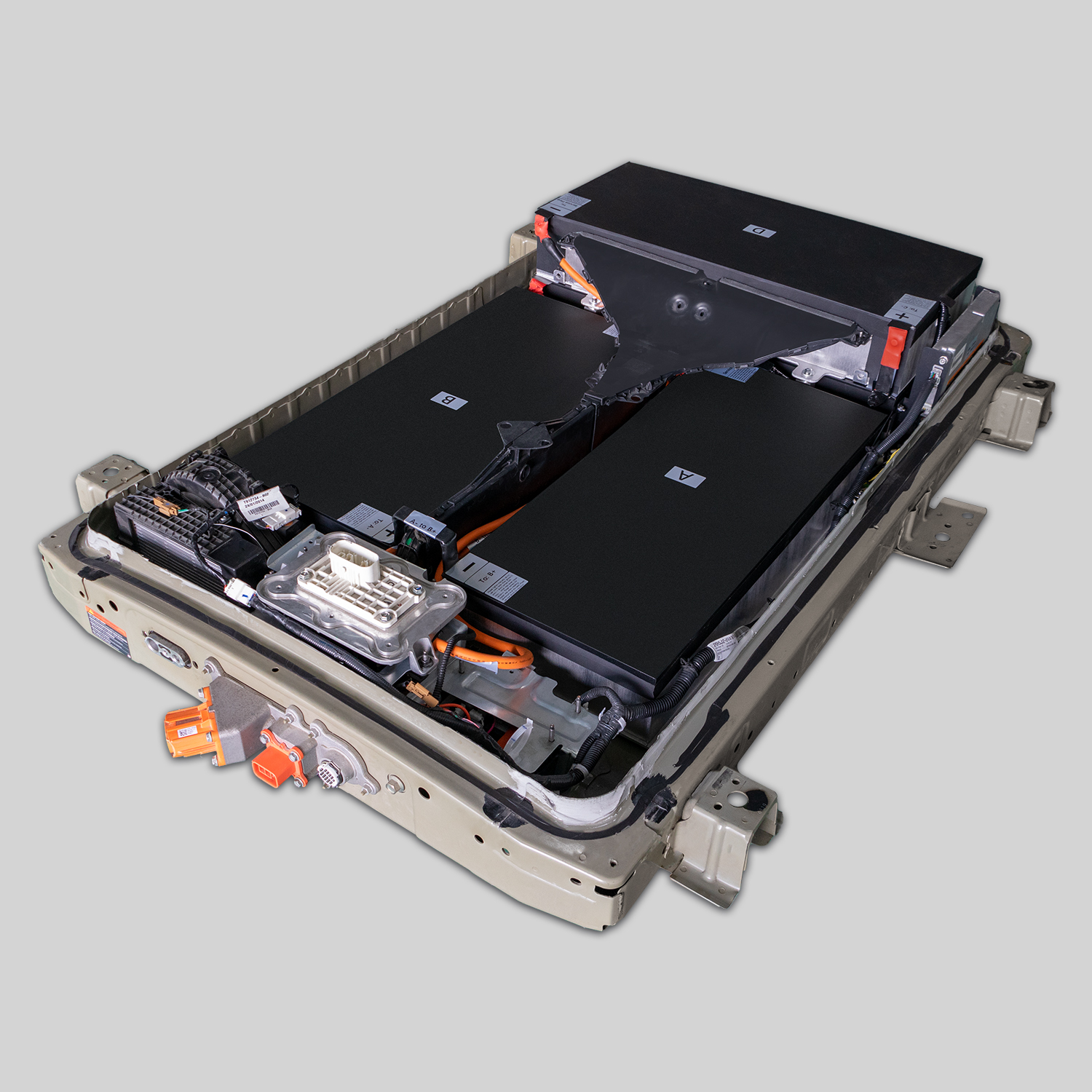
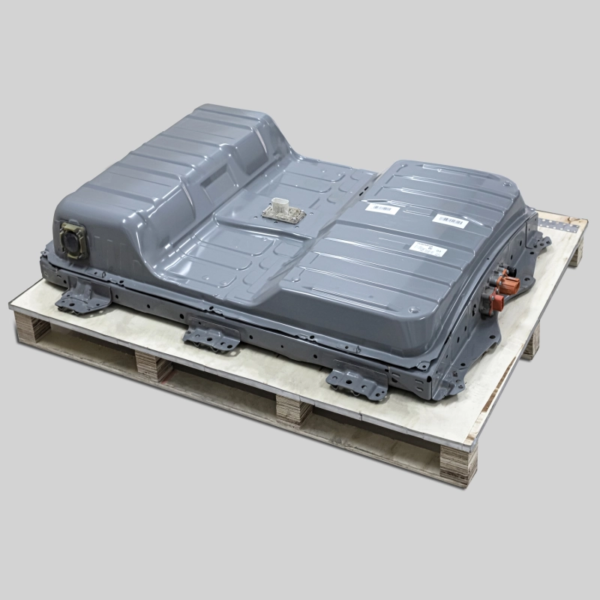
If you own a Nissan Leaf ZE1 (typically the 2021 model year), you might have encountered the dreaded HV Insulation Fault. This error message is the automotive equivalent of a flashing red light, stopping your car dead in its tracks and leaving you stranded. For ZE1 owners, this specific fault is often linked to the high-voltage battery pack’s internal insulation degradation or physical damage to the battery casing.
While this sounds like a death sentence for your vehicle, it doesn’t necessarily mean you need to buy a brand-new car. As a specialist in Nissan and BMW EV powertrains, I have seen this issue frequently. The good news is that with the right approach and components, this fault is fixable. This guide will walk you through the common causes and the most effective long-term solution: a complete battery pack replacement.
Understanding the HV Insulation Fault in ZE1 Models
Before grabbing your tools, it is crucial to understand what this fault means. The “HV” stands for High Voltage, and the “Insulation Fault” indicates that the electrical current is leaking from the intended circuit to the vehicle’s chassis (ground).
Why is this dangerous?
This fault triggers the car’s safety system to shut down the high-voltage supply immediately. This is a critical safety feature to prevent electric shock to passengers or damage to sensitive electronics. In the ZE1 model, this is often caused by:
- Battery Cell Degradation: As the lithium-ion cells age, the internal insulation materials can break down.
- Physical Damage: If the vehicle has experienced a bump, the battery casing (which acts as an insulator) might be compromised.
- Moisture Ingress: Water finding its way into the battery pack can create a conductive path to the ground.
Step 1: Diagnosing the Problem
You cannot fix this blindly. You will need an OBD2 scanner capable of reading Nissan EV specific codes (not just a generic car code reader).
- Scan the Vehicle: Connect the scanner and look for the specific fault code. For insulation issues, it is usually related to the Battery Management System (BMS).
- Check the Physical Pack: Before disassembly, inspect the underside of the vehicle. Look for any signs of impact, rust, or corrosion on the battery tray. If the casing is physically damaged, sealing it temporarily is not a viable long-term fix.
Step 2: The DIY Repair Approach (Temporary Fix)
Some technicians attempt to repair the insulation by opening the battery pack and replacing the internal busbars or adding insulation tape. However, I strongly advise against this for ZE1 owners.
- The Risk: The ZE1 battery pack is sealed with structural adhesive. Opening it requires specialized tools and knowledge. More importantly, if the insulation fault is due to internal cell degradation (swelling or separator breakdown), simply rewiring will not solve the root cause. You risk the fault reappearing within weeks, or worse, causing a fire hazard.
- The Reality: The labor cost to open, repair, and reseal the pack often approaches the cost of a replacement, and you lose the factory warranty.
Step 3: The Permanent Solution – Battery Replacement
For a ZE1 with a persistent HV Insulation Fault, replacing the entire battery pack is the safest and most cost-effective route. This eliminates the risk of recurring faults and restores your vehicle’s range and performance.
Why Choose an Aftermarket Solution?
Replacing a ZE1 battery with a brand-new OEM unit from Nissan can cost upwards of $15,000 to $20,000. For most drivers, this makes the car uneconomical to repair. This is where high-quality aftermarket solutions come in.
The CNS BATTERY Advantage for ZE1 Owners
At CNS BATTERY, we specialize in providing OEM-compatible replacements for Nissan and BMW models. Our solution for the Leaf ZE1 is designed to be a direct plug-and-play replacement, eliminating the HV Insulation Fault permanently.
Here is why our approach works:
- Brand New CATL Cells: We use brand-new, pristine battery cells from CATL (Contemporary Amperex Technology Co. Limited), the world’s largest lithium-ion battery manufacturer. Unlike refurbished or salvaged packs, our cells have zero degradation, meaning the insulation integrity is perfect from day one.
- OEM Precision Engineering: Our packs are engineered to match the exact voltage, capacity, and communication protocols of the original ZE1 battery. There is no need for complex reprogramming or modifications.
- Superior Safety Standards: We build our packs with advanced Battery Management Systems (BMS) that constantly monitor insulation resistance, ensuring the fault never returns.
The Replacement Process
Replacing the battery pack is a significant job, but it is far simpler and safer than attempting micro-surgery on a faulty pack.
- Disconnect Power: Always disconnect the 12V auxiliary battery first.
- Drain & Remove: The ZE1 pack is located under the floor. You will need to lift the vehicle, remove the undertray, and disconnect the high-voltage connectors.
- Swap & Reconnect: Remove the faulty pack and install the new CNS BATTERY pack. This is a mechanical bolt-in process.
- Reset & Test: Once reconnected, the vehicle should recognize the new battery automatically. A test drive will confirm the “HV Insulation Fault” is gone.
Important Note: While this process is technically “DIY,” due to the weight of the battery pack and the high-voltage risks, we recommend having this done by a certified mechanic or a mobile technician. If you are unsure, contact our technical team for guidance.
Restoring Value and Range
Fixing the HV Insulation Fault isn’t just about making the error light go away. By installing a new 62kWh lithium battery pack from CNS, you are essentially giving your Leaf ZE1 a second life.
You will notice:
- Elimination of the Fault: The primary issue is resolved permanently.
- Restored Range: You will regain the full 440km+ range that the ZE1 was designed for.
- Faster Charging: New cells accept charge at the maximum rate without the resistance issues of old cells.
Don’t let an HV Insulation Fault force you into an expensive new car purchase. With the right information and a reliable replacement partner, your Nissan Leaf ZE1 can be back on the road, safer and stronger than ever.
Frequently Asked Questions (FAQ)
1. Can I repair the HV Insulation Fault without replacing the whole battery?
While it is technically possible to open the battery and attempt repairs (like replacing busbars), it is generally not recommended for the ZE1 model. The pack is sealed, and the fault is often due to internal cell degradation, which cannot be repaired. A full replacement with a new pack is the only guaranteed permanent fix.
2. How much does it cost to replace a Nissan Leaf ZE1 battery?
An OEM replacement from a dealership can cost over $16,000. A high-quality aftermarket solution, like the ones provided by CNS BATTERY, typically costs about 50% less, making it a viable economic solution for keeping your car on the road.
3. Is it safe to buy an aftermarket battery for my ZE1?
Yes, if you buy from a reputable manufacturer. At CNS, we use brand-new CATL cells and adhere to strict safety standards. Our batteries come with a 2-year / 80,000km warranty, providing peace of mind that the repair is safe and durable.
4. How long does the battery replacement take?
For a professional technician, the physical replacement usually takes between 1 to 2 hours. This includes disconnecting the old pack and bolting in the new one.
5. Will a new battery affect my car’s warranty or electronics?
Our batteries are designed to be OEM-compatible. They communicate seamlessly with your Leaf’s onboard computers. There should be no negative impact on your vehicle’s existing electronics or remaining factory warranty.
Ready to Fix Your Nissan Leaf ZE1?
Stop searching for temporary fixes. Get a free quote for a brand-new, HV Insulation Fault-free battery pack today.