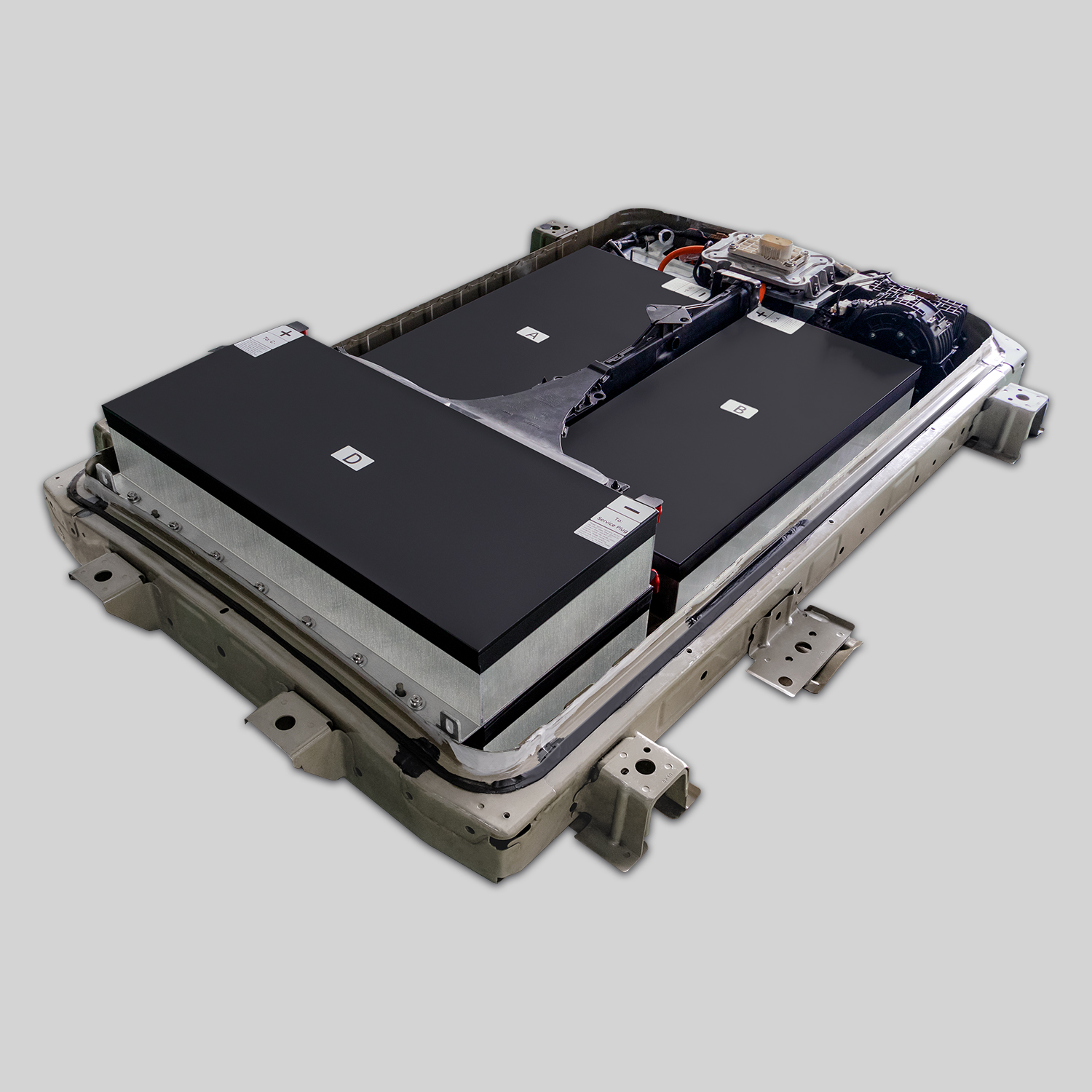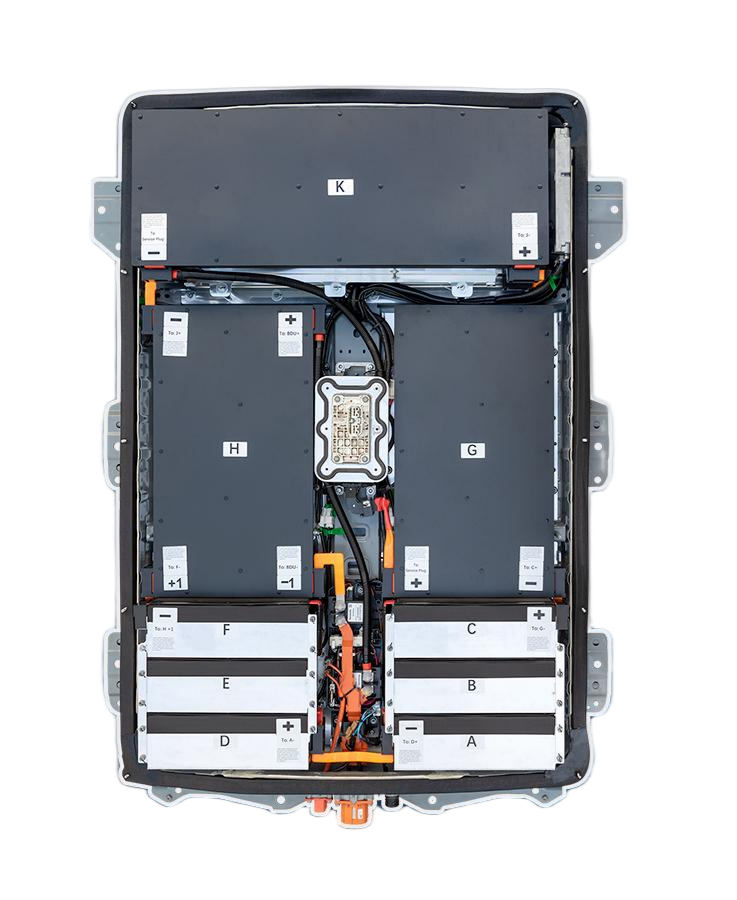
Expert Tips for Nissan e-NV200 40kWh Battery Replacement
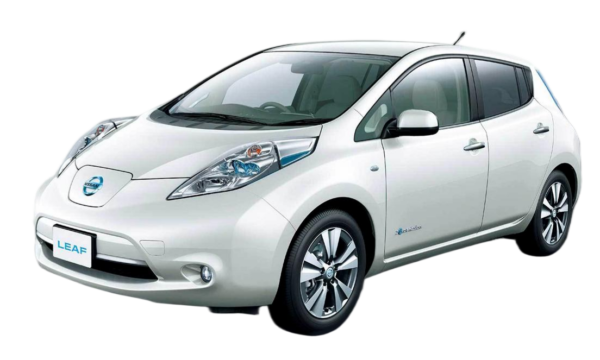
The Nissan e-NV200 has been a reliable workhorse for urban deliveries and family transport. However, if you are driving a 2014-2018 model, you might be facing the reality of battery degradation. The original 24kWh or 30kWh packs often struggle to meet modern range expectations, leaving owners stranded with “range anxiety.”
Fortunately, the 2022+ Nissan e-NV200 models introduced a 40kWh lithium battery pack, offering a significant upgrade. If you are looking to replace an aging pack or upgrade an older model, this guide provides expert tips to ensure a seamless transition to a new 40kWh powertrain.
Why Upgrade to a 40kWh Pack?
The primary reason to opt for the 40kWh variant is the dramatic improvement in range and usability.
- Extended Range: The 40kWh pack provides approximately 348km (216 miles) of range on a full charge. This is a massive improvement over the older 24kWh model, which often struggled to reach 100 miles in real-world conditions.
- Modern Thermal Management: Newer battery designs often include improved Battery Management Systems (BMS) to handle extreme temperatures, preventing the “winter range crash” common in older EVs.
- Cost Efficiency: Replacing a degraded battery is often cheaper than buying a new vehicle. According to industry data, a full replacement can save owners up to 50% compared to new car depreciation.
Expert Tip: If you own an older e-NV200, retrofitting a 40kWh pack is technically possible but requires deep expertise in BMS reprogramming and physical adapter fabrication. We strongly recommend sourcing a pre-configured OEM-compatible solution to avoid warranty voids.
Choosing the Right Replacement: New vs. Refurbished
When searching for a “Nissan e-NV200 40kWh battery replacement,” you will encounter two main options: refurbished (used) packs and brand-new aftermarket solutions.
| Feature | Refurbished/Used Battery | New Aftermarket (OEM Standard) |
|---|---|---|
| Cell Quality | Aged cells, often with degraded capacity | Brand-new cells (e.g., CATL) |
| Lifespan | Unpredictable, risk of swelling/failure | Stable, 8+ year projected lifespan |
| Warranty | Often none, or very short | 2 Years / 80,000 km |
| Price | Medium (approx. $4,000-$6,000) | Competitive (approx. $5,000-$8,000) |
Analysis: While refurbished batteries seem cheaper upfront, the risk of premature failure is high. A brand-new 40kWh pack, built to OEM specifications using fresh cells, offers the best long-term value.
Installation: DIY vs. Professional
Replacing an EV battery is a major mechanical task. Here is what you need to know:
- The Process: Expect the job to take 1-2 hours. It involves lifting the vehicle, disconnecting the high-voltage system, unboltting the old pack (which can be heavy and have corroded bolts), and installing the new unit.
- Plug-and-Play Compatibility: Ensure the replacement battery has perfect interface matching. This means the physical dimensions, mounting points, and electrical connectors must match your e-NV200 chassis exactly to avoid modifications.
- BMS Programming: This is the most critical step. The new battery’s BMS must communicate correctly with the vehicle’s motor controller. If the handshake fails, the car will not drive. Some suppliers offer remote video guidance for this step.
Recommendation: Unless you have prior EV experience and the correct safety gear (Class 0 insulated gloves), hire a certified mechanic. However, if you are confident, ensure you have a detailed video tutorial and technical support on standby.
Expert Tips for a Successful Swap
- Verify the Chemistry: The 40kWh e-NV200 uses NMC (Nickel Manganese Cobalt) chemistry. Ensure your replacement uses the same chemistry to match the voltage curves the car expects.
- Check the Packaging: Lithium batteries are classified as Dangerous Goods (UN 3480). Ensure the supplier uses robust, fumigation-free wooden crates for shipping to prevent physical damage during transit.
- Thermal Paste: When reinstalling, check if new thermal paste or pads are needed between the battery modules and the cooling plate to ensure optimal heat dissipation.
- First Charge: After installation, perform a full charge cycle (from 0% to 100%) to allow the BMS to calibrate the State of Charge (SOC) accurately.
Frequently Asked Questions (FAQ)
Q1: Can I install a 40kWh battery on my old 24kWh Nissan e-NV200? Yes, it is technically possible, but it is not a simple bolt-on job. You will likely need an adapter harness, suspension modifications to handle the weight difference, and a BMS reflash. We recommend consulting a technical expert before attempting this conversion.
Q2: How long does a new 40kWh replacement battery last? A brand-new 40kWh pack, utilizing high-quality cells like CATL, typically lasts 8-10 years or more under normal driving conditions. With proper care, you can expect minimal degradation over the first 5 years.
Q3: What is the warranty on a replacement 40kWh battery? Reputable manufacturers offer a minimum 2-year or 80,000 km warranty. This coverage should include defects in materials and workmanship, as well as performance degradation (e.g., guaranteeing the battery holds at least 70% capacity).
Q4: How much does it cost to replace a Nissan e-NV200 battery? Prices vary, but a brand-new OEM-standard 40kWh replacement generally costs between $5,000 and $8,000 USD. This is significantly less than the $12,000+ quoted by some main dealerships for a “genuine” replacement.
Ready to revive your Nissan e-NV200? Get a free, no-obligation quote for a brand-new 40kWh battery solution tailored to your vehicle model.