🛠️ Expert Tips for Leaf ZE1 30kWh Battery Swap: The Ultimate 2026 Guide
Is your 2021+ Nissan Leaf struggling with range anxiety? If you own a Leaf ZE1 (specifically the S Plus or SV Plus trims), you likely have the 30kWh battery variant. While reliable, this smaller pack can feel limiting in modern driving conditions. As a seasoned expert in EV battery solutions, I often get asked: “Is it worth swapping the 30kWh pack, and how do I do it right?”
The short answer is yes, but you need the right strategy. Unlike the older ZE0 models, the ZE1 chassis presents unique challenges and opportunities. This guide will walk you through the expert tips for a successful Leaf ZE1 30kWh battery swap, focusing on maximizing value, safety, and performance.
🤔 Why Upgrade Your Leaf ZE1 30kWh Battery?
Before we dive into the “how,” let’s address the “why.” The Leaf ZE1 30kWh battery is found in the 2021-2023 Nissan Leaf S Plus and SV Plus models. While Nissan positioned this as an entry-level EV option, the reality for many owners in 2026 is that 30kWh simply doesn’t cut it for longer commutes or highway driving.
Here is the core motivation behind this swap:
- Doubling Your Range: The 30kWh pack offers roughly 100-120 miles (approx. 160-190 km) of real-world range. Swapping to a 62kWh pack can push that to over 200 miles (approx. 320+ km).
- Avoiding the “New Car” Trap: Buying a new EV with a larger battery can cost upwards of $30,000+. A professional battery swap can achieve the same result for a fraction of the price.
- Preserving Your Investment: The ZE1 body style is newer and more aerodynamic than the ZE0. Instead of trading in a car with good bodywork, you revitalize it from the inside out.
📊 Step 1: The Compatibility Check (The Most Crucial Step)
You cannot simply drop a 62kWh pack from a newer model into a ZE1 without considering the electronics. This is where many DIYers run into trouble.
🔌 The BMS and Connector Challenge
The Leaf ZE1 uses a specific Battery Management System (BMS) protocol. If you are upgrading from 30kWh to 40kWh or 62kWh, you have two paths:
- The Hard Swap (Advanced): You must also replace the BMS module to match the new cell count. This requires programming skills or professional help.
- The Plug-and-Play Solution (Recommended): Using a battery pack specifically engineered for the ZE1 chassis. At CNS, we pre-program the BMS to ensure seamless integration with the ZE1’s Vehicle Control Unit (VCU).
Expert Tip: Always verify the physical dimensions. While the ZE1 chassis is designed for larger packs, aftermarket solutions must match the mounting points perfectly to avoid chassis modification.
🛠️ Step 2: The Physical Swap – Safety First
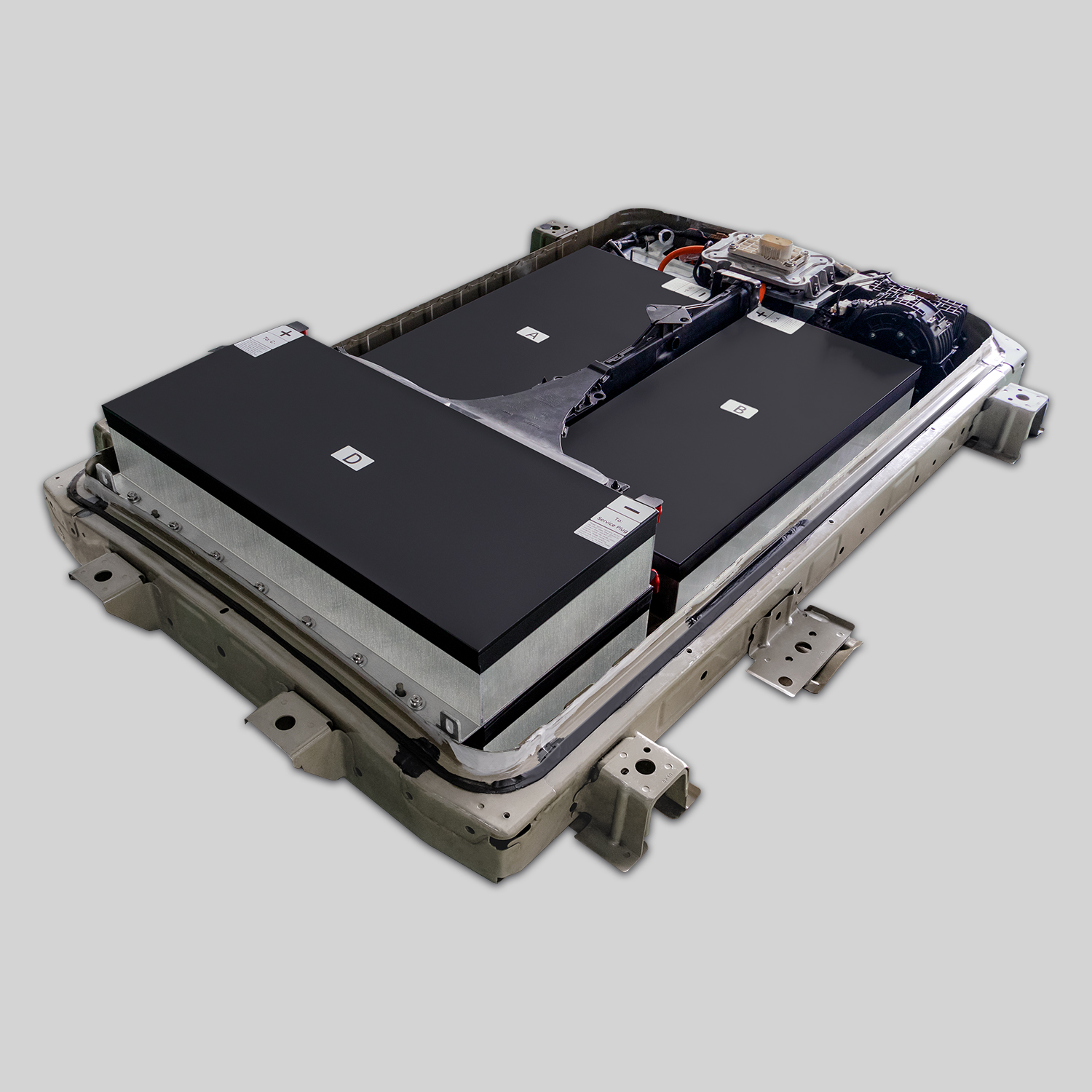
Swapping a battery is heavy lifting—literally. The 30kWh pack weighs around 300kg (660 lbs). Here is my checklist for a smooth operation.
⚡ The “Golden Rule” of EV Work
Never work on a charged battery. For a ZE1 swap, you must discharge the High Voltage (HV) system.
- Isolate the Vehicle: Turn off the car and remove the key fob from the vicinity.
- Disconnect the 12V: Remove the negative terminal from the auxiliary battery.
- Discharge Time: Wait at least 10 minutes to allow capacitors in the inverter to discharge.
📦 Removing the Old 30kWh Pack
The ZE1 design allows access from underneath, but you will need a hydraulic jack or a lift.
- Drain Plugs: Check for any drain plugs on the bottom of the old pack (some variants have them).
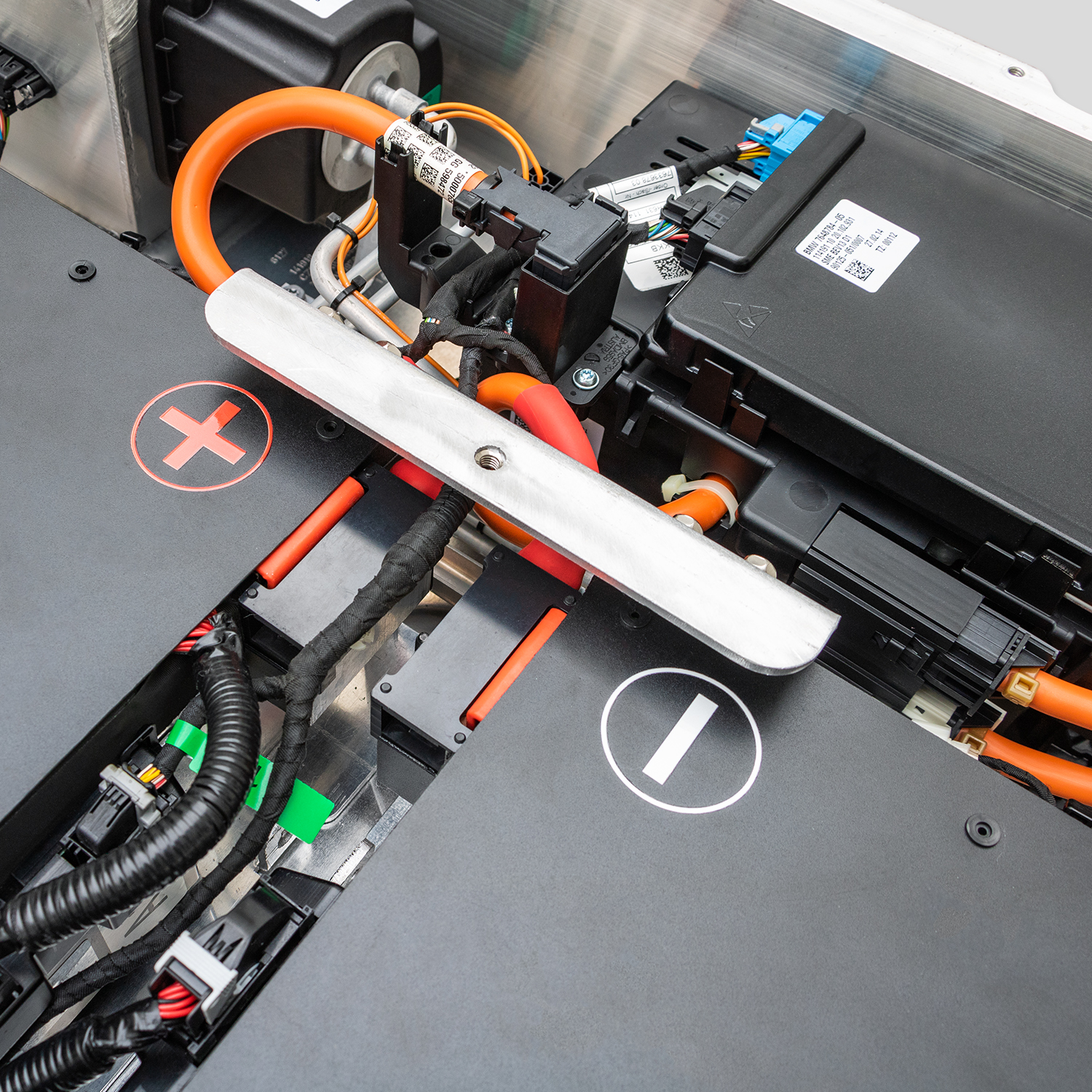
- Cable Management: The ZE1 has tighter cable routing than the ZE0. Label every connector before disconnecting to avoid confusion during reassembly.
🆕 Step 3: Choosing the Right Replacement
Not all 62kWh batteries are created equal. Since you are moving from a 30kWh (which likely uses older generation cells), upgrading to a modern pack makes a massive difference.
🆚 Refurbished vs. Brand New Cells
This is the critical decision point:
| Feature | Refurbished/Used Battery | New Battery (e.g., CATL Cells) |
|---|---|---|
| Cell Quality | Aged cells, unknown cycle history | Brand new, Grade A cells |
| Expected Life | 2-3 years max | 5-8+ years |
| Warranty | Often None or 3 months | Up to 2 Years / 80,000 km |
| Performance | Reduced charging speed, swelling risk | Full voltage, stable discharge |
The Verdict: For a ZE1 chassis (which is a relatively new car), only install a brand new battery pack. Installing a used pack in a 2021+ car is a false economy.
📝 Expert Tips for a Successful Installation
Based on thousands of successful swaps we have supported, here are the pro-tips that save time and money:
- Thermal Paste is Key: When bolting the new modules to the cooling plate, use high-quality thermal conductive paste. The ZE1 relies heavily on this interface for heat dissipation. Skipping this leads to overheating and reduced performance.
- Double-Check the HV Connector: The ZE1 uses specific HV connectors. Ensure the rubber seals are intact to prevent moisture ingress, which is the #1 killer of EV electronics.
- The First Charge: After installation, do not fast charge immediately. Use a Level 1 or Level 2 charger for the first cycle to allow the BMS to balance the new cells properly.
💡 Why Choose a Professional Solution?
While the internet is full of DIY videos, the Leaf ZE1 30kWh to 62kWh swap is not a beginner project. It involves high-voltage risks, complex programming, and heavy lifting.
If you are looking for a reliable, plug-and-play solution that guarantees compatibility with your ZE1 chassis, we offer OEM-compatible battery packs built with new cells. We handle the BMS programming and testing so you don’t have to.
Ready to transform your Leaf’s range? Get a free quote for a custom battery solution today.
Get Your Free Custom Quote Now
❓ Frequently Asked Questions (FAQ)
Q1: Can I upgrade my Leaf ZE1 30kWh to a 62kWh battery without changing the BMS?
- A: Generally, no. The 30kWh pack has fewer cells in series than the 62kWh. The BMS reads the voltage and cell count. You need a BMS that matches the new physical cell configuration, or a pre-programmed “smart” pack designed for the ZE1 upgrade.
Q2: How much does a Leaf ZE1 battery swap cost?
- A: Costs vary, but expect to pay roughly 50% less than a brand-new OEM replacement from Nissan. A full professional replacement (parts and labor) typically ranges from $7,000 to $9,000 depending on the region and labor rates. Doing it yourself significantly reduces the cost of parts.
Q3: How long does the installation take?
- A: For a professional technician with the right tools (lift, torque wrench), the physical swap takes approximately 1 to 2 hours. However, if BMS reprogramming or complex coding is required, this can add an additional hour.
Q4: Will a battery swap affect my car’s warranty?
- A: Installing an aftermarket battery will likely void the specific “battery” portion of Nissan’s warranty. However, reputable manufacturers like CNS provide their own warranties (e.g., 2 years / 80,000 km) to cover the new battery pack.