
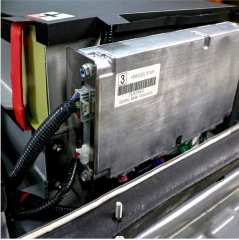
⚡ Expert Tips for Nissan Leaf ZE0 30kWh Battery Installation
If you own a Nissan Leaf ZE0 and are facing battery degradation, you might be considering a 30kWh battery installation to replace your old 24kWh pack. Upgrading your EV’s heart is a significant project, but with the right preparation and knowledge, it can be a smooth, rewarding experience that extends your car’s life by years.
At CNS BATTERY, we specialize in providing high-performance, OEM-compatible replacement batteries for Nissan and BMW models. Based on years of technical expertise and thousands of successful installations (including many Leaf ZE0 upgrades), we have compiled this comprehensive guide to ensure your project is safe, efficient, and successful.
🛠️ Why Upgrade to a 30kWh Battery?
Before we dive into the installation tips, let’s clarify the “why.” The original 24kWh battery in early ZE0 models often suffers from severe capacity loss due to the lack of active thermal management. Replacing it with a 30kWh lithium-ion battery pack (often utilizing newer chemistry or reconfigured modules) offers several key advantages:
- Increased Range: Gain approximately 20-30% more range compared to a fresh 24kWh pack.
- Better Chemistry: Modern replacements often use more stable Lithium Iron Phosphate (LFP) or upgraded NMC cells.
- Cost Efficiency: It is significantly cheaper than buying a new car.
📋 Pre-Installation Checklist
Proper preparation is half the battle. Do not start the physical work until you have verified the following:
- Vehicle Compatibility Check: While the ZE0 chassis is standard, minor variations exist between model years (2011-2013). Verify your VIN with our technical team to ensure the bracket dimensions and connector types match perfectly.
- Safety First: You are dealing with high-voltage DC electricity (up to 360V). Ensure you have:
- Insulated safety gloves (Class 00 or higher).
- Safety glasses.
- A fully charged fire extinguisher (Class D for metal fires, or general purpose ABC).
- A digital multimeter.
- Tools & Environment: Work in a dry, well-ventilated garage. You will need basic automotive tools (wrenches, sockets), a torque wrench for critical bolts, and potentially a floor jack or transmission jack to support the old battery during removal.
🧰 Step-by-Step Installation Tips
1. Disconnecting the Old Unit
- The Golden Rule: Always disconnect the 12V auxiliary battery first. This cuts power to the BMS (Battery Management System) and prevents shorts.
- Discharge: Wait at least 10 minutes after disconnecting the 12V to allow capacitors in the inverter and BMS to discharge.
- System Check: Before lifting the car, inspect the underbody for corrosion. The ZE0 battery is bolted underneath, and rusty bolts are the #1 cause of installation delays.
2. Removal & Handling
- Weight Distribution: The 30kWh pack is heavy (approx. 250-300kg). Use a transmission jack with wide straps to distribute the weight evenly. Never lift by the connectors or wiring harness.
- Connector Preservation: The MS (Main Service) connectors are delicate. Do not pull on the wires; depress the locking tabs fully before disconnecting.
3. Installing the New CNS Battery
- Visual Inspection: Before bolting, inspect the new pack for any transit damage. Check that the mounting feet are intact.
- Torque Specifications: Do not overtighten the chassis bolts. Use the manufacturer’s specified torque settings (usually around 80-100 Nm depending on the bolt size) to avoid stripping the threads in the car’s frame.
- Sealing: Ensure the rubber seals around the high-voltage connectors and the service plug area are correctly seated to maintain the IP67 waterproof rating.
4. Reconnection & Initialization
- Polarity Check: Double-check that the positive and negative terminals are correctly aligned before reconnecting the main cables.
- BMS Reset: After installation, you may need to reset the vehicle’s BMS. This often involves a specific sequence of key turns or using an OBD2 scanner to clear old error codes.
- First Charge: Perform the first charge using a standard Level 1 or Level 2 charger. Monitor the charging process for the first 30 minutes to ensure no overheating.
💡 Pro Tips from the Workshop
- The “Plug-and-Play” Reality: While many modern replacement batteries are designed for plug-and-play, the Leaf ZE0 might require minor bracket modifications or adapter harnesses. If you encounter a mismatch, contact your supplier immediately—do not force connections.
- Winter Warning: If you are installing this in a cold environment (below 0°C / 32°F), do not attempt to charge the battery immediately after installation. Lithium plating can occur on cold cells, causing permanent damage. Let the battery acclimate to room temperature inside the car for a few hours before the first charge.
- Documentation: Take photos at every step of the disassembly process. It is easy to forget where small grounding wires or sensors were originally positioned.
🛡️ Why Choose a CNS BATTERY Solution?
At CNS, we understand that buying a battery is not just about the cells; it is about the guarantee and support. When you choose our solution for your Nissan Leaf ZE0, you are choosing:
- OEM Compatibility: Our packs are engineered to fit the ZE0 chassis perfectly, often utilizing brand-new CATL cells for superior longevity compared to refurbished packs.
- Unbeatable Warranty: We back our products with a 2-year / 80,000 km warranty, covering defects and performance degradation, giving you peace of mind long after installation.
- Expert Support: Stuck on a step? Our technical team provides video call guidance to walk you through the process in real-time.
❓ Frequently Asked Questions (FAQ)
Q1: Is the Nissan Leaf ZE0 30kWh battery a direct fit?
Yes, a professionally manufactured replacement pack (like those from CNS) is designed as a direct drop-in replacement. It uses the same mounting points and connector interfaces as the original equipment, minimizing modification needs.
Q2: How long does the installation take?
For a professional technician, the installation typically takes 1-2 hours. For a DIY enthusiast with the right tools and guidance, it can take up to 3 hours.
Q3: Do I need to reprogram the car’s computer after installation?
Generally, no major reprogramming is required for a direct replacement. However, you may need to reset the 12V battery or use an OBD2 scanner to clear old “Battery Capacity Low” error codes from the previous pack.
Q4: What is the expected lifespan of a new 30kWh replacement battery?
With proper care and modern cell chemistry, you can expect a new replacement pack to last 8-10 years or more, depending on your charging habits and climate.
Q5: Can I install this battery myself, or should I hire a mechanic?
While the process is documented and possible for experienced DIYers, we strongly recommend hiring a certified mechanic. Working with high-voltage systems is dangerous, and a professional ensures the warranty remains valid and the installation is safe.
Ready to revive your Nissan Leaf ZE0? Get a free, personalized quote for your perfect battery solution today.


