Expert BMW i3 Battery Compatibility Advice
Understanding Your BMW i3 Battery Needs
The BMW i3 has evolved significantly since its launch, from the original 2014-2022 compact electric vehicle to the newer Chinese-market sedan variants. Whether you own an early-generation i3 with a 33 kWh battery or a newer model with approximately 70 kWh capacity, finding the right replacement battery is critical for maintaining performance, range, and safety.
At CNS BATTERY, we specialize in providing compatible EV battery solutions that meet or exceed OEM specifications. This guide will help you understand compatibility factors, upgrade options, and how to make an informed decision for your BMW i3.
Key Compatibility Factors for BMW i3 Battery Replacement
Battery Chemistry and Voltage
BMW i3 batteries use lithium-ion technology with specific voltage configurations. Early models (2014-2017) typically featured 360V systems, while later versions adopted higher voltage architectures. When selecting a replacement battery, ensure the voltage range matches your vehicle’s BMS (Battery Management System) requirements. Mismatched voltage can lead to charging issues, reduced performance, or system errors.
Physical Dimensions and Mounting
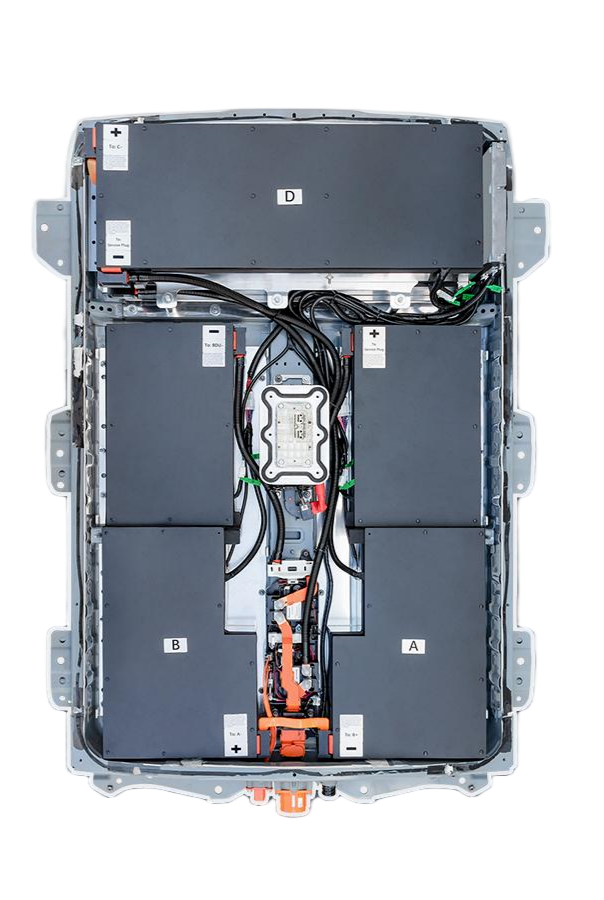
The battery pack must fit within the existing chassis constraints. BMW i3 batteries have unique form factors depending on the model year. Our team at CNS BATTERY provides detailed dimension specifications to ensure proper fitment without modification to your vehicle’s structure.
BMS Communication Protocol
Modern EVs rely on sophisticated communication between the battery and vehicle systems. Compatible BMS protocols are essential for proper functionality, including state-of-charge reporting, thermal management, and safety monitoring. Our batteries are engineered to communicate seamlessly with BMW’s proprietary systems.
Upgrade Options: OEM vs. Aftermarket Solutions
Why Consider an Aftermarket Battery?
While OEM batteries offer guaranteed compatibility, they often come with premium pricing and limited availability. Aftermarket solutions from reputable providers like CNS BATTERY can provide:
- Cost savings of 30-50% compared to dealership prices
- Enhanced capacity options for extended range
- Faster availability without long wait times
- Customized warranty terms to suit your needs
Performance Considerations
A quality aftermarket battery should maintain or improve upon original specifications. Look for providers who offer:
- Equivalent or better energy density
- Comparable charge/discharge rates
- Robust thermal management systems
- Comprehensive testing and certification
Signs Your BMW i3 Battery Needs Replacement
Recognizing battery degradation early can prevent unexpected breakdowns. Watch for these warning signs:
- Reduced driving range below 70% of original capacity
- Longer charging times than normal
- Unexpected power limitations during acceleration
- Warning messages on the dashboard related to battery health
- Uneven cell voltage readings during diagnostics
If you experience multiple symptoms, a professional battery assessment is recommended.
Safety and Certification Standards
When replacing your BMW i3 battery, safety must be the top priority. Ensure your replacement battery meets international standards including:
- UN38.3 transportation safety certification
- ISO 9001 quality management
- CE marking for European compliance
- Equivalent OEM safety features including thermal runaway protection
At CNS BATTERY, all our EV batteries undergo rigorous testing to ensure they meet or exceed these standards, providing peace of mind for every installation.
Installation and Professional Support
While some experienced technicians may attempt DIY installation, we strongly recommend professional installation for EV battery replacements. Proper installation ensures:
- Correct high-voltage safety procedures
- Proper BMS calibration and programming
- Warranty validation
- System integration testing
Our network of certified partners can assist with installation and provide ongoing support for your battery investment.
FAQ: BMW i3 Battery Compatibility Questions
Q1: How long does a BMW i3 battery typically last?
A: BMW i3 batteries are designed to last 8-10 years or 100,000+ miles under normal conditions. However, factors like charging habits, climate, and usage patterns can affect longevity. Many owners report 70-80% capacity retention after 5 years.
Q2: Can I upgrade to a higher capacity battery?
A: Yes, capacity upgrades are possible with compatible aftermarket solutions. However, this may require BMS recalibration and should be performed by qualified technicians. Contact us for specific upgrade options for your model year.
Q3: Will an aftermarket battery affect my vehicle warranty?
A: Aftermarket battery installation may affect remaining OEM warranty coverage. However, CNS BATTERY provides its own comprehensive warranty to protect your investment. Always discuss warranty implications with your dealer before proceeding.
Q4: How much does a BMW i3 battery replacement cost?
A: OEM battery replacements can range from $15,000 to $25,000+ depending on the model and region. Aftermarket solutions typically offer significant savings while maintaining quality and performance standards.
Q5: What’s the installation timeline for a replacement battery?
A: Professional installation typically takes 1-2 days including testing and calibration. Parts availability may affect overall timeline, which is why choosing a supplier with ready inventory matters.
Ready to Explore Your BMW i3 Battery Options?
If you’re experiencing battery degradation or exploring upgrade possibilities, CNS BATTERY is here to help. Our expert team can assess your specific needs and recommend the optimal solution for your BMW i3.
Contact us today for a personalized consultation and discover how we can restore your BMW i3’s performance with compatible, high-quality battery solutions.
Visit our main EV battery page at https://cnsbattery.com/ev-battery-home to explore our complete range of electric vehicle battery products and services.