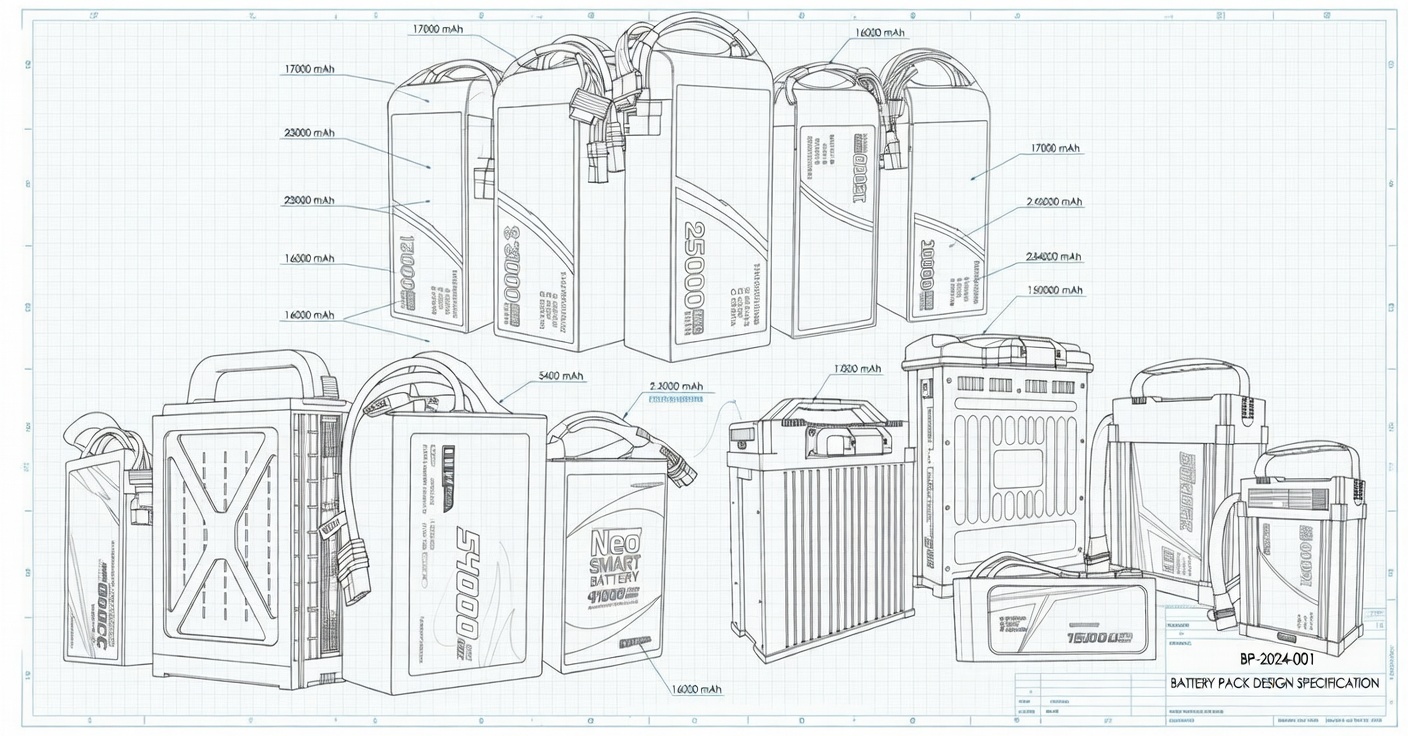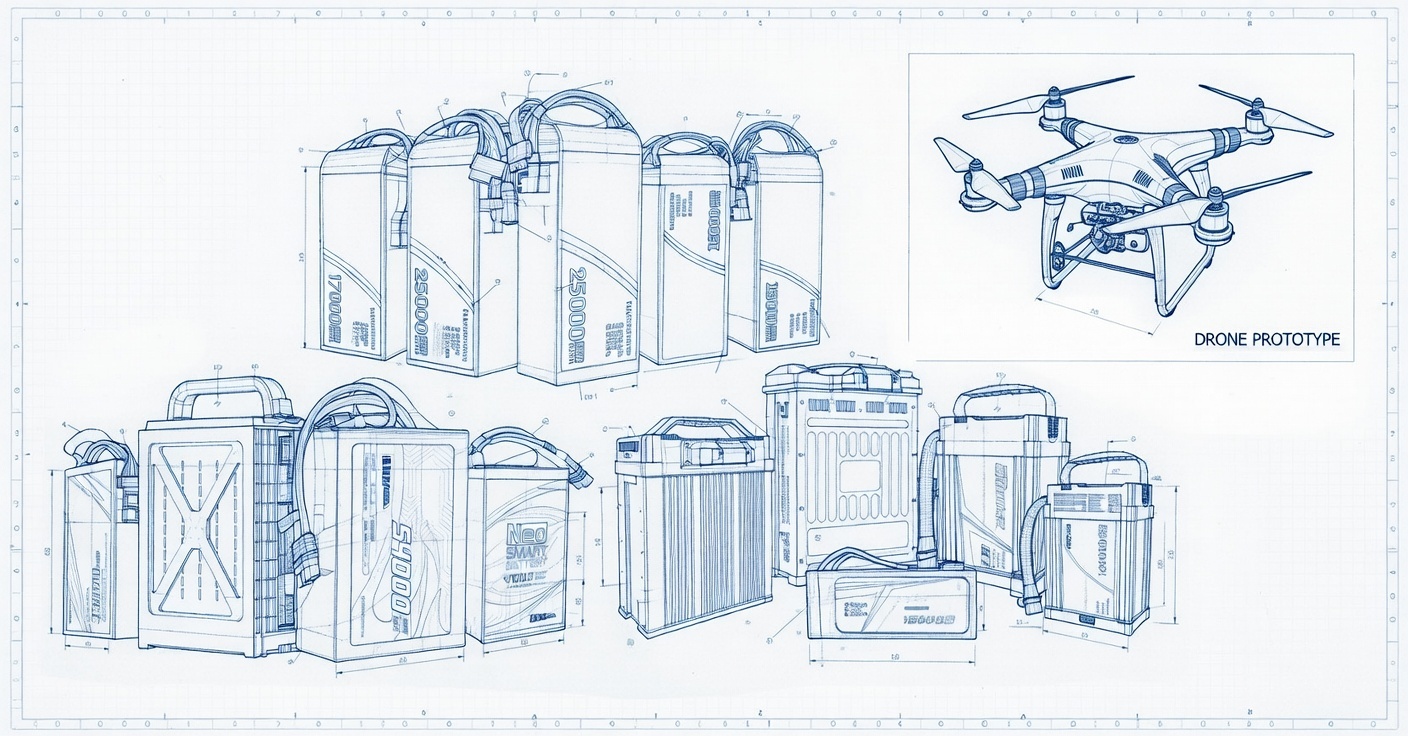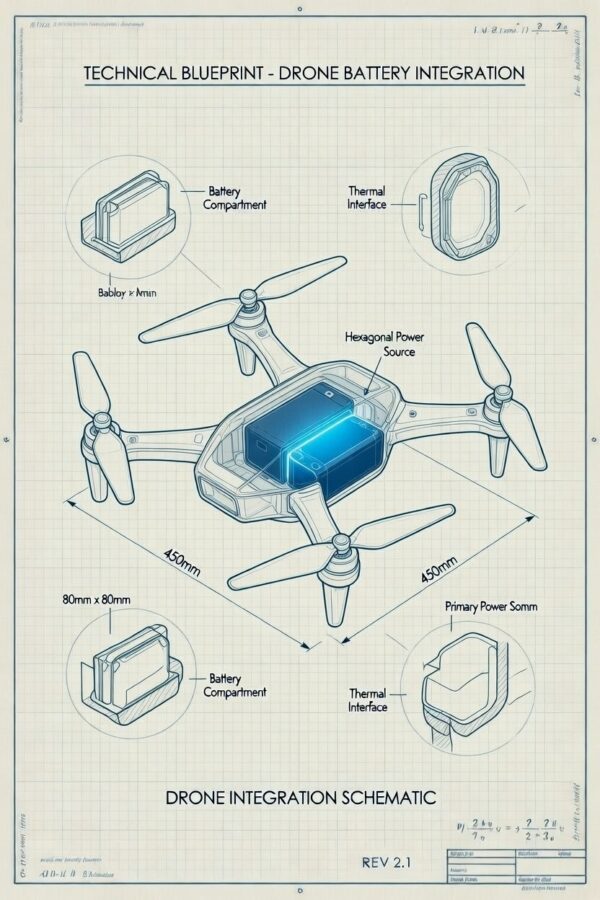
When a fire department responds to a wildfire or a police unit conducts a search-and-rescue mission, the last thing they should worry about is whether their drone batteries will last long enough to complete the operation. Yet, across North America and Europe, public safety agencies face a growing dilemma: the drone battery market is flooded with customization options, making procurement decisions increasingly complex.
In 2025, the National Fire Protection Association (NFPA) updated its guidelines for emergency equipment, emphasizing the need for reliable power systems in aerial operations. Meanwhile, the Federal Aviation Administration (FAA) continues to tighten regulations around commercial drone usage. For public safety departments, navigating these requirements while selecting the right drone battery customization options has become a critical operational challenge.
This comprehensive guide draws from industry standards, expert insights, and real-world case studies to help public safety procurement officers make informed decisions about drone battery solutions.
Understanding the Core Challenges in Public Safety Drone Battery Procurement
Public safety departments operate under unique constraints that commercial drone users simply don’t face. The stakes are higher, the missions are more unpredictable, and the margin for error is virtually non-existent.
Key Procurement Obstacles
- Regulatory Compliance: Batteries must meet UN38.3, IEC62133, and FAA transportation standards
- Mission-Critical Reliability: Failure during emergency operations can cost lives
- Budget Constraints: Public funding requires justification and competitive bidding
- Interoperability: Batteries must work across multiple drone platforms and generations
- Supply Chain Security: Dependence on single vendors creates operational vulnerabilities
According to a 2025 report from DJI Enterprise Insights, over 68% of law enforcement agencies reported battery-related operational disruptions in the previous year. This statistic underscores the urgent need for strategic battery procurement planning.
Essential Customization Factors for Public Safety Applications
Not all drone batteries are created equal. Public safety departments must evaluate customization options based on their specific operational requirements.
Battery Capacity and Flight Time Considerations
The relationship between battery capacity and mission duration is fundamental. However, simply choosing the highest capacity option isn’t always the best strategy.
Critical Evaluation Points:
- Mission Profile Analysis: Map typical flight durations for your department’s use cases
- Weight-to-Power Ratio: Heavier batteries reduce payload capacity and maneuverability
- Charging Infrastructure: Ensure your facilities can support rapid charging requirements
- Reserve Power Requirements: NFPA 110-2025 recommends maintaining 20% reserve capacity for emergency operations
Environmental Durability Standards
Public safety drones operate in conditions that would ground commercial operations. Battery customization must account for:
- Temperature Extremes: From winter search operations to wildfire surveillance
- Moisture Resistance: IP67 or higher rating for all-weather operations
- Vibration Tolerance: Essential for vehicles mounting and rough terrain landings
- Chemical Exposure: Resistance to firefighting foams and hazardous materials
Case Study: Metro Fire Department Battery Standardization Initiative
In early 2025, the Metro Fire Department in California faced a critical challenge. Their fleet of six different drone models required eight incompatible battery types, creating logistical nightmares during multi-alarm incidents.
The Problem
- Average battery procurement time: 45 days
- Operational downtime due to battery issues: 23% of missions
- Annual battery replacement costs: $127,000
The Solution
Working with a specialized battery manufacturer, Metro Fire developed a customized battery platform with the following specifications:
- Universal Compatibility: Adapter system for three primary drone platforms
- Smart Battery Management: Integrated monitoring for cycle count and health status
- Rapid Charging: 80% charge in 25 minutes with department charging stations
- Cycle Life: Minimum 500 cycles meeting CAAC training standards
Results After 12 Months
- Procurement time reduced to 14 days
- Operational downtime decreased to 4%
- Annual costs reduced by 38%
- Mission success rate improved to 97%
Navigating Regulatory Compliance Requirements
Compliance isn’t optional for public safety departments. Understanding the regulatory landscape is essential for successful battery procurement.
International Transportation Standards
All lithium batteries used in public safety drones must comply with:
- UN38.3: Transportation safety testing for lithium batteries
- IEC62133: Safety requirements for portable sealed secondary cells
- DOT Hazardous Materials Regulations: Ground transportation within the United States
Aviation Authority Requirements
The FAA’s Part 107 regulations continue to evolve. As of 2025, new requirements include:
- Battery health documentation for commercial operations
- Mandatory reporting of battery-related incidents
- Certification of charging equipment for public safety use
Building a Sustainable Battery Procurement Strategy
Long-term success requires more than selecting the right battery specifications. Public safety departments need comprehensive procurement strategies.
Vendor Evaluation Framework
Essential Vendor Qualifications:
- Manufacturing Certifications: ISO 9001, ISO 14001 minimum requirements
- Warranty Terms: Minimum 2-year warranty with replacement guarantees
- Technical Support: 24/7 support for emergency operations
- Supply Chain Transparency: Documentation of component sourcing
- Training Programs: Comprehensive staff training on battery management
Total Cost of Ownership Analysis
Purchase price represents only a fraction of total battery costs. Departments should calculate:
- Initial procurement costs
- Replacement cycle expenses
- Charging infrastructure investment
- Training and certification costs
- Disposal and recycling fees
According to Gartner’s 2025 technology provider analysis, departments that conduct comprehensive TCO analysis save an average of 31% over five-year procurement cycles.
Future-Proofing Your Battery Investment
Technology evolves rapidly. Today’s cutting-edge battery solution may be obsolete within three years. Smart procurement anticipates these changes.
Emerging Battery Technologies to Monitor
- Solid-State Batteries: Promising improved safety and energy density
- Smart Battery Management Systems: Enhanced monitoring and predictive maintenance
- Sustainable Materials: Reduced environmental impact and easier recycling
- Wireless Charging: Operational efficiency improvements for fleet operations
Scalability Considerations
Your battery solution should grow with your department:
- Modular Design: Ability to add capacity as mission requirements expand
- Platform Agnostic: Compatibility with multiple drone manufacturers
- Upgrade Paths: Clear roadmap for technology transitions
- Inventory Management: Systems for tracking battery health and lifecycle
Expert Recommendations for Immediate Action
Based on industry analysis and field experience, here are actionable steps for public safety departments:
Short-Term Actions (0-90 Days)
- Conduct comprehensive battery inventory audit
- Document all current battery-related operational issues
- Establish baseline metrics for battery performance
- Identify critical compatibility gaps
Medium-Term Initiatives (90-180 Days)
- Develop standardized battery specifications
- Issue RFP for customized battery solutions
- Implement battery tracking and management system
- Train personnel on proper battery handling procedures
Long-Term Strategy (180+ Days)
- Establish multi-vendor supply relationships
- Create battery replacement and recycling program
- Integrate battery management with overall fleet operations
- Regular review and update of battery specifications
Conclusion: Making the Right Choice for Your Department
The complexity of drone battery customization options doesn’t have to paralyze your procurement process. By understanding your operational requirements, navigating regulatory compliance, and building relationships with qualified vendors, public safety departments can secure battery solutions that enhance rather than hinder their missions.
The Metro Fire Department case study demonstrates that strategic battery procurement delivers measurable improvements in operational readiness, cost efficiency, and mission success rates. Your department can achieve similar results with careful planning and expert guidance.
Ready to optimize your drone battery procurement strategy?
Our team specializes in custom battery solutions for public safety applications. We understand the unique challenges you face and can help you navigate the complex landscape of battery customization options.
Contact us today for a comprehensive consultation on your department’s specific requirements: https://cnsbattery.com/drone-battery-home/drone-battery-contact
Additional Resources
- Download our Public Safety Battery Procurement Checklist
- Access our Battery Compliance Guide for 2026 Regulations
- Schedule a free consultation with our public safety specialists
Your mission is too important to compromise on power. Let us help you build a battery solution that keeps your drones airborne when it matters most.