⚡ The Ultimate Guide to Upgrading Your e-NV200 Combi to 62kWh in Norway
If you are driving a Nissan e-NV200 Combi in Norway and feel the range is holding you back, you are not alone. The Norwegian landscape, with its long distances and varied terrain, demands serious battery power. While the standard 40kWh or 30kWh batteries are fine for city errands, upgrading to a 62kWh lithium-ion battery pack can transform your vehicle into a true long-distance companion.
At CNS BATTERY, we specialize in high-performance, OEM-compatible battery solutions for Nissan and BMW electric vehicles. We understand that for drivers in Norway, reliability in cold climates and maximum range are non-negotiable. This guide will walk you through why a 62kWh upgrade is worth it, the specific benefits for the e-NV200 Combi, and how our premium battery solutions can save you money while boosting your driving experience.
🇳🇴 Why Upgrade Your e-NV200 Combi in Norway?
Norway is the world’s leader in EV adoption, but the country’s unique geography presents specific challenges.
1. Conquering the “Range Anxiety” in the Fjords
The standard e-NV200 battery (typically 40kWh) offers a theoretical range of around 200-220 km. However, real-world driving in Norway—especially during winter or on winding mountain roads—can reduce this significantly.
By upgrading to a 62kWh battery, you are essentially adding 50% more energy capacity to your vehicle. This translates to a practical range of approximately 300-340 km on a single charge. This extra juice is vital for covering the distances between fast-charging stations in rural areas or for making long family road trips comfortable.
2. The Economics of Ownership
Replacing a degraded original battery with a new OEM unit can cost upwards of $12,000 to $16,000. For many e-NV200 owners, this price tag is close to the value of the car itself.
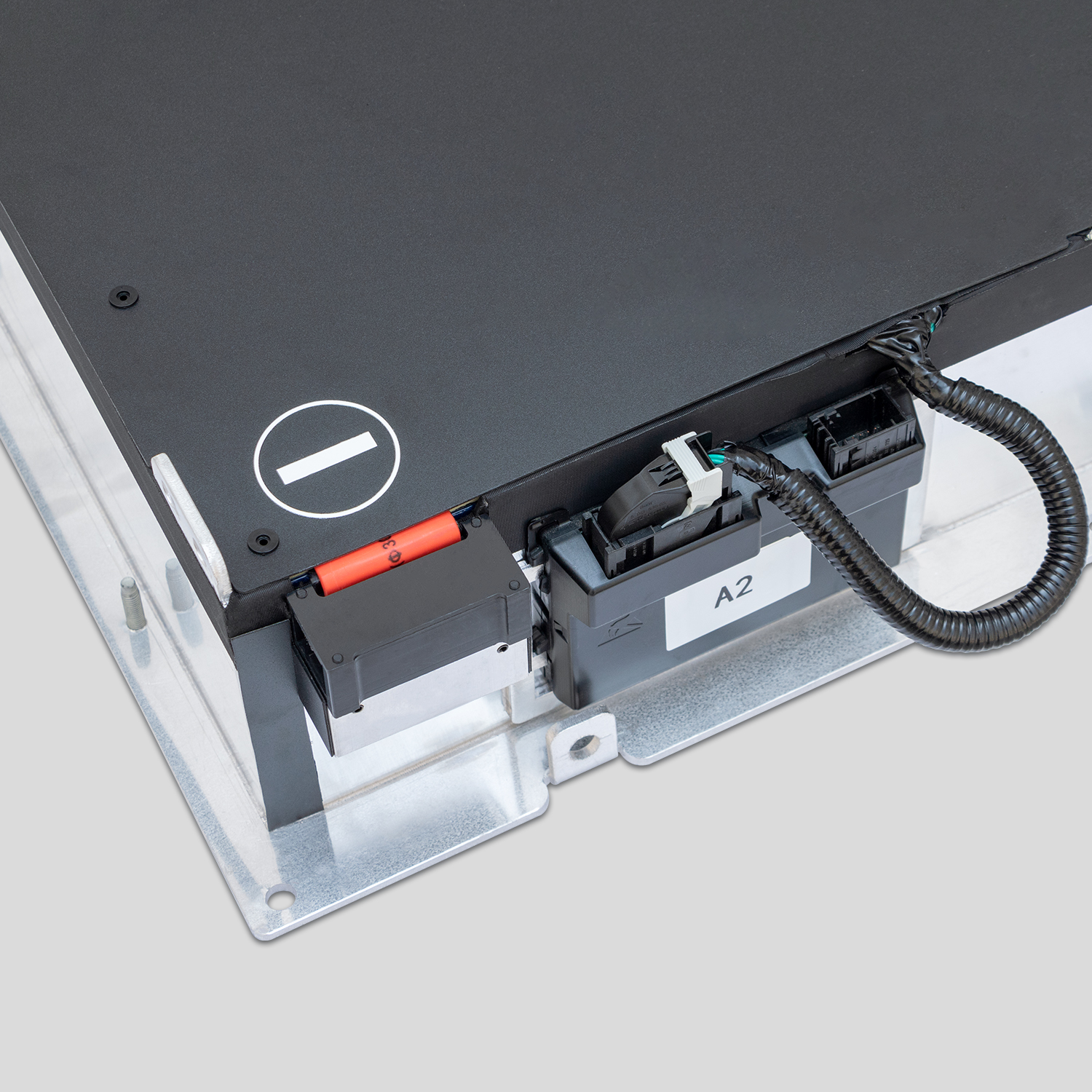
This is where the aftermarket shines. At CNS, we offer brand-new 62kWh battery packs built with premium CATL (Contemporary Amperex Technology Co. Limited) cells. These are the same tier-1 cells found in many modern EVs, offering superior thermal management and longevity compared to recycled or refurbished cells. Most importantly, our solutions cost less than 50% of the original manufacturer’s price, making it a financially viable resurrection for your vehicle.
⚙️ Technical Deep Dive: The 62kWh Powerhouse
When we talk about upgrading the e-NV200 to 62kWh, we are not just adding random cells. This is a precision-engineered solution.
The “Leaf 62kWh” Technology
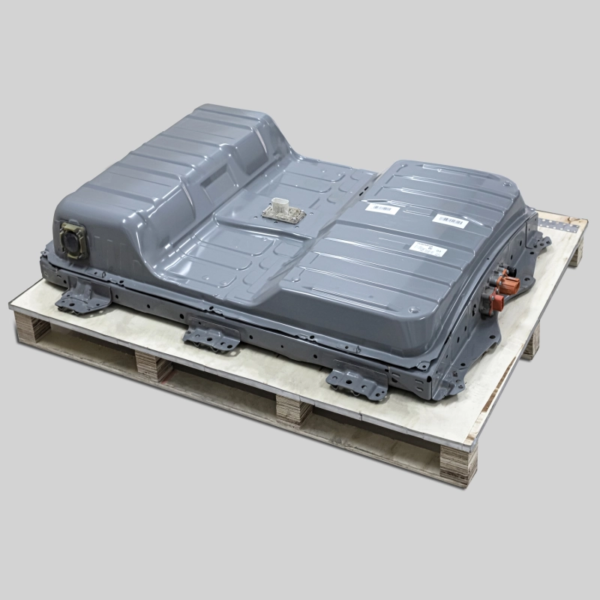
The 62kWh format originates from the Nissan Leaf E+ (Tzero/AZE0) platform. This battery technology is mature, safe, and widely supported.
- Cell Chemistry: NMC (Nickel Manganese Cobalt). This chemistry offers a perfect balance between energy density (for range) and power output (for driving dynamics).
- Integration: The upgrade is designed to be a plug-and-play solution. It utilizes the existing Battery Management System (BMS) protocols of the Nissan platform, meaning no hacking or complex reprogramming is usually required for the e-NV200 conversion.
- Dimensions: The 62kWh pack is physically larger than the 40kWh unit. However, for the e-NV200 Combi, this is often an advantage. The Combi version has a taller roof and more underfloor space compared to the cargo van, allowing for better integration without sacrificing passenger comfort.
Performance Metrics
Here is what you can expect after the upgrade:
| Metric | Standard 40kWh | Upgraded 62kWh | Improvement |
|---|---|---|---|
| Theoretical Range | ~270 km | ~440 km | +62% |
| Practical Winter Range | ~150 km | ~260 km | Doubles usability |
| Charging Speed | 50kW DC | 50kW DC | Same fast-charging capability |
| Cell Quality | OEM (Aged) | Brand New CATL | Zero cycle count |
🛠️ Is the Upgrade Process Complicated?
One of the biggest concerns owners have is the complexity of the installation.
The answer is: It is simpler than you think, but professional help is recommended.
Since the e-NV200 and Leaf share the same “B platform,” the mechanical and electrical architecture is very similar. The process generally involves:
- Lifting the vehicle and disconnecting the 12V battery.
- Removing the old battery pack (which can be heavy and may require specialized lifting gear).
- Installing the new 62kWh pack. This often requires minor modifications to the battery mounting brackets or the high-voltage cable routing due to the different shape of the 62kWh module.
- System Reset: After installation, the BMS needs to be reset or “married” to the new cells. This usually requires a Nissan Consult scanner or a third-party OBD tool.
Pro-Tip: If you are in Norway, look for EV specialists who are already familiar with the “Leaf to e-NV200” donor car conversion or direct OEM replacement services. Many workshops in Oslo and Bergen are now experienced with these upgrades.
🤔 Why Choose CNS BATTERY for Your Upgrade?
As experts in Nissan EV batteries, we don’t just sell cells; we sell peace of mind, especially for international customers in Europe.
1. Unbeatable Warranty
We stand by our product. We offer a 2-year / 80,000 km warranty on our automotive batteries. This covers defects in materials and workmanship and includes protection against premature capacity degradation (ensuring the battery maintains at least 70% capacity).
2. CATL Cell Quality
Many cheaper alternatives on the market use recycled “B-grade” cells or cells from unknown manufacturers. We use brand-new, A-grade prismatic cells from CATL. These cells have a much lower internal resistance, which means less heat generation and longer life—crucial for the stop-and-go traffic in cities like Trondheim or Stavanger.
3. Logistics and Support
Shipping lithium batteries internationally is complex due to IATA/IMDG regulations. We handle all the logistics, offering DDP (Delivered Duty Paid) services to Norway. This means you don’t have to worry about customs clearance or import taxes; we handle it all, and the battery arrives at your door ready for installation.
📝 Final Verdict: Is it Worth it?
Yes, absolutely.
If you own an e-NV200 Combi in Norway, upgrading to a 62kWh battery is arguably the single best investment you can make in your vehicle. It turns a short-range city car into a capable family hauler or a long-distance adventure van.
You are not just buying more range; you are buying 10+ years of trouble-free driving with modern, tier-1 battery technology. Compared to the astronomical cost of a new van or a new EV, this upgrade offers incredible value.
❓ Frequently Asked Questions (FAQ)
Q1: Can I install the 62kWh battery myself?
While it is technically possible, we strongly recommend using a certified mechanic. Handling high-voltage components is dangerous, and incorrect installation can void the warranty. However, we provide detailed video tutorials and manuals to assist your technician.
Q2: Will this upgrade affect my car’s warranty or registration in Norway?
Since this is a “like-for-like” capacity upgrade using OEM-compatible technology, it generally does not affect the vehicle’s roadworthiness. However, it is always wise to check with the Norwegian Public Roads Administration (Statens vegvesen) regarding modifications. Most professional workshops handle the homologation paperwork.
Q3: How long does the installation take?
For a professional workshop familiar with Nissan EVs, the installation typically takes 1 to 2 hours.
Q4: What is the actual winter range I can expect with the 62kWh pack in Norway?
While summer range can exceed 300 km, in harsh Norwegian winters (below -10°C), you should expect a realistic range of 220-260 km. This is still significantly better than the standard battery’s winter performance of roughly 120 km.
Q5: Are there any specific maintenance tips for the 62kWh battery?
The beauty of the CATL cells we use is their low maintenance. However, in Norway, we recommend preconditioning the battery while plugged in during winter to ensure optimal charging speed and efficiency when you start your journey.
Ready to Revive Your e-NV200?
Don’t let range anxiety limit your adventures in Norway. Get a free, personalized quote for your Nissan e-NV200 Combi 62kWh upgrade today.