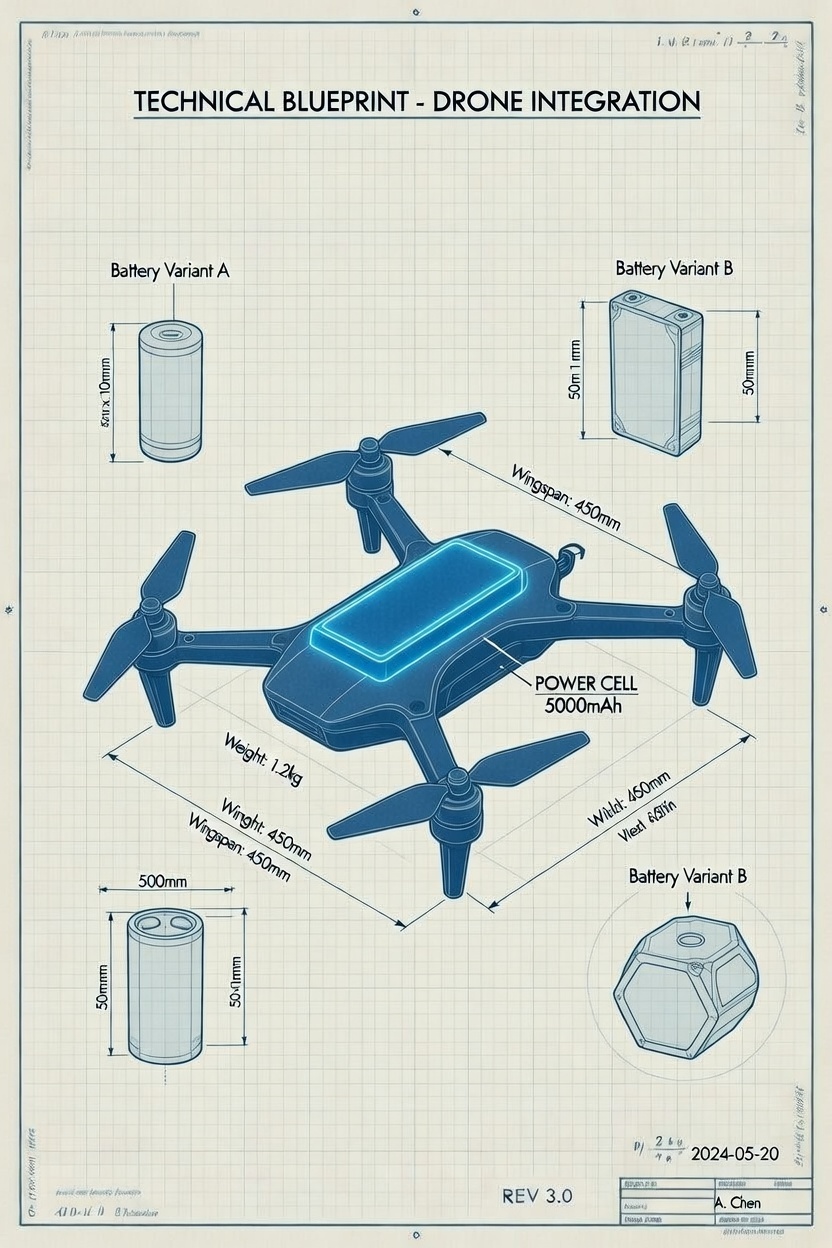
Drone Battery Buyer’s Guide: Focus on Recycling Compliance for E-commerce Drone Fleet Operators
The sky is no longer the limit; it is the new warehouse aisle. As e-commerce giants and logistics startups deploy massive drone fleets to slash delivery times, the backbone of this aerial revolution remains grounded in a single critical component: the battery. For fleet operators managing hundreds or thousands of units, purchasing drone batteries is not merely a transaction of capacity and voltage. It is a strategic decision that dictates operational longevity, legal liability, and environmental stewardship.
This guide is crafted specifically for bulk purchasers and fleet managers who understand that the true cost of a battery extends far beyond the invoice price. By prioritizing recycling compliance from the outset, you safeguard your organization against evolving regulatory penalties, enhance your brand’s sustainability profile, and streamline the end-of-life process for your assets. Ignoring the lifecycle of your power source is a risk no modern logistics company can afford. This comprehensive analysis will walk you through the nuances of compliant procurement, ensuring your fleet stays airborne while your operations remain firmly on the right side of the law.
The Hidden Liability in Your Supply Chain
In 2026, environmental regulations regarding lithium-based energy storage have tightened significantly across North America, Europe, and Asia. For e-commerce drone fleet operators, the disposal of spent batteries represents a significant compliance hurdle. Traditional procurement models often treat batteries as consumables with no exit strategy. This approach is obsolete.
When you buy in bulk, you inherit the responsibility of thousands of chemical cells. Non-compliant disposal can lead to hefty fines, reputational damage, and operational halts during audits. A compliant buying strategy transforms this liability into an asset. By partnering with suppliers who offer closed-loop recycling programs, you reduce waste management costs and secure a steady supply of raw materials for future battery generations. This guide empowers you to negotiate contracts that include end-of-life services, ensuring that every watt-hour purchased is accounted for from manufacture to recycling.
Step-by-Step Guide to Compliant Drone Battery Procurement
Navigating the complex web of hazardous material regulations requires a structured approach. Follow this four-step framework to ensure your fleet’s power source aligns with global recycling standards.
Step 1: Conduct a Lifecycle Audit
Before issuing a purchase order, analyze your current battery turnover rate. How many units reach end-of-life annually? What is your current disposal method? Documenting this baseline helps you quantify the scale of compliance required. You need to know not just how many batteries you buy, but how many you retire. This data is crucial when negotiating take-back programs with manufacturers.
Step 2: Vet Suppliers for Certification
Not all battery manufacturers are equipped to handle recycling compliance. Look for partners who hold certifications such as ISO 14001 (Environmental Management) and UN 38.3 (Transportation of Dangerous Goods). Crucially, inquire about their partnership with certified recycling facilities. A compliant supplier should provide documentation proving that spent cells are processed according to local environmental laws rather than sent to landfills. Verify their chain of custody protocols to ensure no leakage occurs during transport.
Step 3: Integrate Logistics and Documentation
Transporting degraded lithium batteries is classified as hazardous material shipping. Your procurement plan must include compliant packaging and labeling for return shipments. Ensure your supplier provides pre-approved shipping containers and hazard labels. Maintain digital records of every battery serial number, purchase date, and disposal certificate. This traceability is often required during regulatory audits to prove that no hazardous materials were mishandled.
Step 4: Establish a Closed-Loop Agreement
The gold standard in bulk purchasing is a closed-loop agreement. This contract stipulates that for every new battery purchased, the old unit is returned to the manufacturer or their designated recycling partner. This simplifies logistics for your team and ensures compliance is handled by experts. It also often locks in pricing stability, as recycled materials can offset raw material costs.
Comparative Analysis: Compliant vs. Traditional Procurement
To visualize the impact of prioritizing recycling compliance, consider the operational differences between a traditional buying model and a compliance-focused strategy.
Risk Exposure
In a traditional model, the burden of disposal falls entirely on the fleet operator. This exposes the company to fluctuating waste management fees and the risk of non-compliance penalties if a third-party disposal vendor cuts corners. In contrast, a compliance-focused model shifts much of this risk to the manufacturer, who has a vested interest in proper recycling to recover valuable materials like cobalt and lithium.
Total Cost of Ownership
While compliant batteries may have a slightly higher upfront unit cost, the total cost of ownership is often lower. Traditional procurement hides the costs of hazardous waste disposal, storage of degraded units, and administrative time spent managing disposal logs. A compliant supply chain bundles these services, providing predictable budgeting and eliminating surprise fees associated with hazardous material handling.
Brand Equity and ESG Goals
E-commerce companies are under immense pressure to meet Environmental, Social, and Governance (ESG) targets. A traditional battery supply chain offers little data for sustainability reports. However, a compliant procurement strategy provides verifiable data on waste diversion and carbon footprint reduction. This enhances brand value among eco-conscious consumers and investors, turning a logistical necessity into a marketing advantage.
Technical Considerations for Recyclability
Understanding the chemistry behind your drone battery is essential for compliance. Most commercial drones utilize Lithium Polymer (LiPo) or Lithium-ion (Li-ion) packs. While both offer high energy density, their recycling processes differ. Li-ion batteries are generally easier to recycle due to standardized casing and established recovery methods for cathode materials. LiPo packs, often soft-shell, require specialized handling to prevent puncture and thermal runaway during the recycling transport phase.
When selecting batteries for your fleet, prioritize designs that facilitate disassembly. Modular battery packs allow for individual cell replacement, extending the overall life of the pack and reducing waste volume. Furthermore, smart battery management systems (BMS) that accurately report state-of-health (SoH) are vital. They ensure batteries are retired before they become safety hazards, streamlining the recycling intake process. Suppliers who embed QR codes for tracking each cell’s journey from factory to recycler provide the transparency needed for rigorous compliance auditing.
Frequently Asked Questions
Q: What happens if we fail to comply with battery recycling regulations?
A: Non-compliance can result in severe financial penalties, legal action, and the suspension of operations. Regulatory bodies treat improper lithium battery disposal as a significant environmental hazard. Additionally, failure to comply can void insurance policies related to hazardous material storage and transport.
Q: Can we recycle damaged or swollen drone batteries?
A: Yes, but they require special handling. Damaged batteries are considered unstable and must be packaged in specific fire-resistant containers before transport. Your supplier should provide guidance and materials for shipping compromised units safely to a recycling facility. Never attempt to dispose of swollen batteries in standard waste bins.
Q: How does recycling compliance affect our international operations?
A: Regulations vary by region. The European Union’s battery regulations are among the strictest, requiring digital battery passports. If your e-commerce fleet operates globally, you must adhere to the strictest standard in your network to ensure seamless cross-border logistics. A unified compliance strategy simplifies this complexity.
Q: Is it cost-effective to recycle small drone batteries?
A: For individual users, perhaps not. But for fleet operators buying in bulk, the volume of materials recovered makes recycling economically viable. Bulk recycling agreements reduce per-unit disposal costs and can sometimes generate credits based on the recovered raw materials.
Securing the Future of Your Fleet
The transition to sustainable aviation logistics is not optional; it is inevitable. By embedding recycling compliance into your drone battery procurement strategy, you future-proof your operations against regulatory shifts and contribute to a circular economy. The right partner makes this transition seamless, providing not just energy, but peace of mind.
Do not let battery management become a bottleneck for your growth. Strategic procurement ensures that your fleet remains efficient, compliant, and environmentally responsible. For fleet operators ready to optimize their power supply chain with a focus on sustainability and compliance, expert guidance is just a click away.
We specialize in high-performance industrial drone batteries designed with lifecycle management in mind. Our team understands the unique pressures faced by e-commerce logistics providers. Whether you need to audit your current supply chain or deploy a new fleet with full recycling support, we are ready to assist.
Take control of your energy lifecycle today.
Contact our specialist team for a customized compliance audit and bulk procurement quote
To learn more about our core offerings and how we support large-scale operations, visit our Home page.
Explore more resources: