DIY Nissan Leaf Battery Repair: Everything You Need to Know
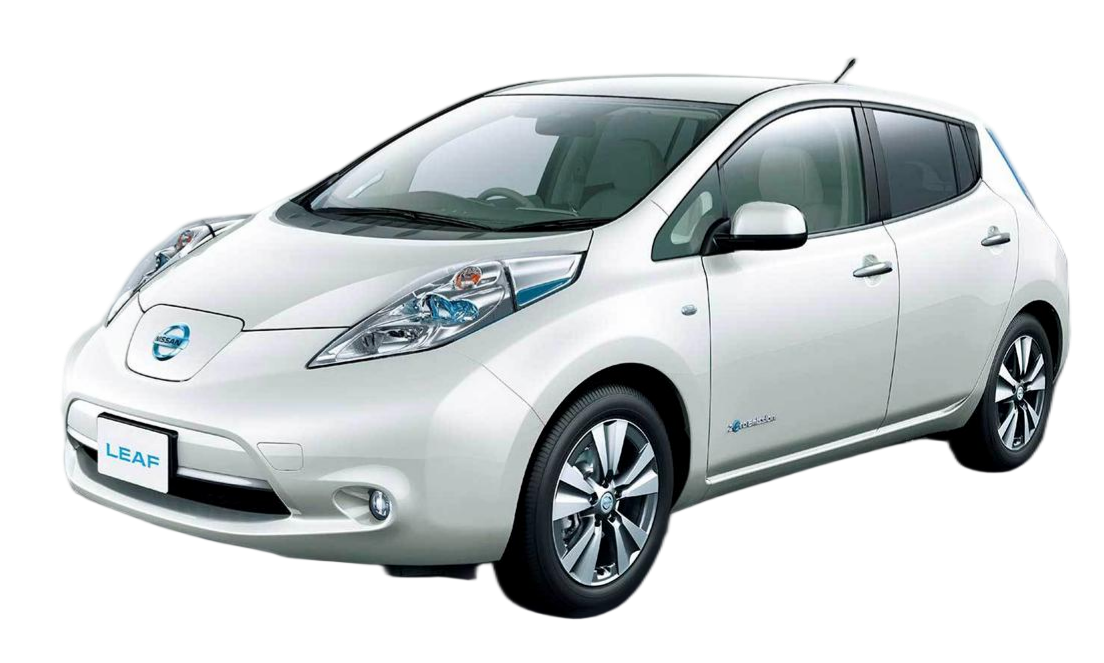
The Nissan Leaf is a pioneer in the electric vehicle (EV) market, known for its reliability and efficiency. However, like all batteries, the Leaf’s pack degrades over time. If you’re facing reduced range or a “Turtle Mode” warning, you don’t necessarily need to buy a new car. A DIY battery repair or replacement can breathe new life into your vehicle.
At CNS BATTERY, we specialize in high-performance, OEM-compatible battery solutions for Nissan and BMW EVs. We understand that many Leaf owners are hands-on enthusiasts looking to save costs while maintaining quality. This guide covers everything you need to know about repairing or replacing your Nissan Leaf battery yourself.
🛠️ Why Consider a DIY Nissan Leaf Battery Repair?
Before diving into the repair process, it’s essential to understand why this route is becoming increasingly popular.
Cost Efficiency
Dealership battery replacements can be prohibitively expensive. A DIY approach, especially using a pre-assembled pack from a reputable supplier like CNS, can save you over 50% compared to OEM prices.
Availability of Parts
While sourcing individual degraded cells for a rebuild is risky and time-consuming, complete replacement packs designed for plug-and-play installation are now widely available.
Empowerment
There is a unique satisfaction in fixing your own car. With the right tools and information, replacing a Leaf battery is a manageable task for someone with basic mechanical skills.
🔋 Understanding Your Nissan Leaf Battery Options
Not all replacement batteries are created equal. When planning your DIY repair, you have three main options:
- Used/Refurbished Packs: These are cheap but risky. They consist of recycled cells with unknown health, leading to potential swelling, failure, and short lifespans.
- Individual Cell Rebuild: This involves disassembling your old pack and welding new cells. It requires specialized equipment (like a spot welder) and is highly complex.
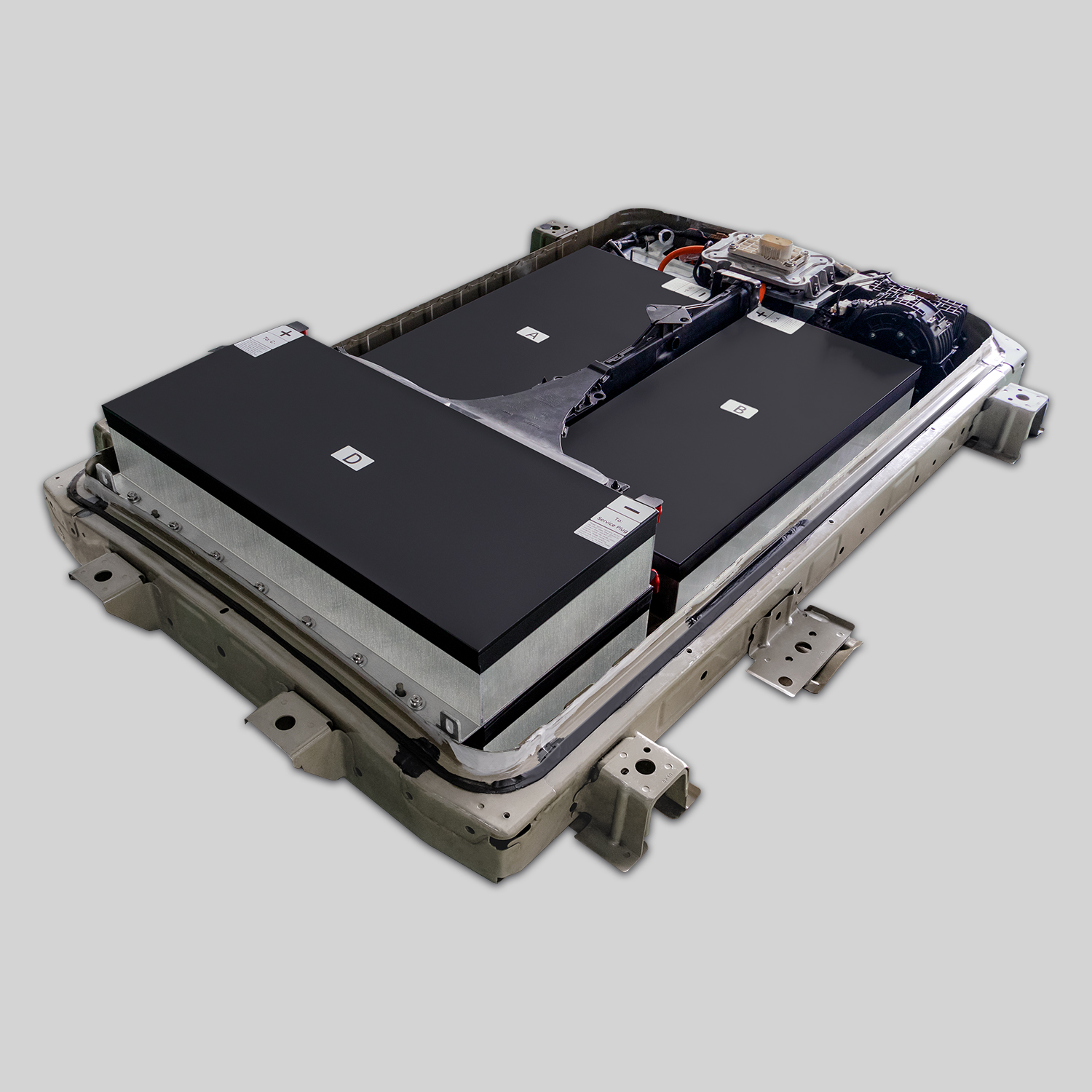
- New Complete Replacement Pack (Recommended): This is the most reliable DIY solution. Companies like CNS BATTERY manufacture complete packs using brand-new cells (e.g., CATL), ensuring plug-and-play compatibility.
Expert Tip: For a DIYer, purchasing a brand-new complete battery pack is almost always safer and more cost-effective in the long run than attempting a cell-by-cell rebuild.
📋 Step-by-Step DIY Replacement Guide
Replacing a Nissan Leaf battery is essentially a mechanical process, not an electrical one. If you can change a tire, you likely have the skill to do this.
Step 1: Preparation and Safety
- Disconnect the 12V Battery: Always start by disconnecting the negative terminal of the standard car battery to cut power.
- Gather Tools: You will need wrenches, socket sets, and potentially a torque wrench. CNS provides free toolkits with some orders.
- Protective Gear: Wear insulated gloves to protect against any residual voltage.
Step 2: Removal of the Old Pack
- The battery is located under the car’s floor.
- Remove the underbody covers.
- Disconnect the high-voltage connectors (usually covered by plastic shields).
- Unbolt the battery mounting brackets. The pack is heavy (approx. 300kg for a 40kWh), so ensure you have a proper lift or jack stands.
Step 3: Installation of the New Pack
- Positioning: Carefully lift the new CNS battery pack into place.
- Mechanical Fixation: Bolt the new pack to the chassis using the original brackets.
- Electrical Connection: Reconnect the high-voltage cables. This is where OEM compatibility is crucial. CNS packs are designed to match the original connectors and BMS interfaces perfectly.
Step 4: System Reset and Programming
- Reconnect the 12V battery.
- Most modern replacement packs require a BMS (Battery Management System) reset or programming to sync with the car. This often involves plugging a device into the OBD2 port. CNS offers remote video guidance to help you through this step if needed.
⚠️ Critical Considerations for DIYers
While the mechanical swap is straightforward, there are hidden complexities:
- BMS Programming: This is the most common hurdle. If the BMS isn’t programmed correctly, the car won’t recognize the battery. Ensure your supplier offers programming support or includes a pre-programmed BMS.
- Warranty: Check the warranty terms. Some manufacturers void warranties if the battery isn’t installed by a certified technician. However, CNS BATTERY offers a 2-year/80,000km warranty that covers the product regardless of who installs it (though we always recommend professional help if you are unsure).
- Weight and Safety: The battery is heavy and contains high-voltage components. Never work alone, and never pierce the battery casing.
🚀 Why Choose CNS BATTERY for Your DIY Project?
If you are looking for a reliable, high-quality battery pack to use in your DIY Nissan Leaf repair, CNS BATTERY stands out for several reasons:
- Brand New Cells: We use only brand-new, top-tier cells from manufacturers like CATL, ensuring maximum lifespan and safety.
- OEM Compatibility: Our packs are engineered to fit Nissan Leaf models (ZE0, AZE0, ZE1) perfectly, supporting 40kWh, 50kWh, 62kWh, and even 68kWh upgrades.
- Support: We don’t just sell you a box. We offer video tutorials and remote expert support to guide you through the installation and programming process.
💡 Upgrading Your Range
A DIY repair is also a perfect opportunity to upgrade your battery. Instead of replacing your old 40kWh pack with another 40kWh, you could potentially fit a 62kWh pack (depending on your Leaf generation). This upgrade can increase your range from approximately 150 miles to over 200 miles on a single charge.
❓ Frequently Asked Questions (FAQ)
Q1: Can I really install a Nissan Leaf battery myself?
A: Yes, physically installing the battery pack is a mechanical process similar to changing a transmission. However, the final step usually involves BMS programming. If you are comfortable following video tutorials or have a friend with mechanical experience, it is feasible. For the programming part, CNS offers remote video guidance to ensure a smooth setup.
Q2: How much does a DIY Nissan Leaf battery replacement cost?
A: Costs vary significantly. A used/refurbished pack might cost $2,000-$4,000 but comes with risks. A brand-new, high-quality pack from CNS (using new CATL cells) typically costs significantly less than the dealership price (which can exceed $15,000), often saving you over 50% while offering better reliability.
Q3: What tools do I need for the job?
A: You will primarily need standard automotive hand tools (wrenches, sockets) and a hydraulic jack or lift. Safety gear like insulated gloves is mandatory. For the electrical connection, you usually just need to bolt on the connectors, but an OBD2 programmer might be needed for the BMS reset.
Q4: What is the warranty on a DIY-installed battery?
A: At CNS BATTERY, we offer a standard 2-year or 80,000km warranty on our automotive batteries. This warranty covers defects in materials and workmanship. However, please note that physical damage caused by improper installation (e.g., dropping the battery or incorrect bolting) may not be covered. We highly recommend having the installation checked by a professional if you are not fully confident.
Q5: Which Nissan Leaf models are compatible with CNS batteries?
A: We provide solutions for a wide range of models, including:
* Nissan Leaf ZE0 (2011-2013)
* Nissan Leaf AZE0 (2013-2018)
* Nissan Leaf ZE1 (2018+)
* Nissan e-NV200
We also support customization for specific kWh requirements.
Ready to revive your Nissan Leaf? Get a free, no-obligation quote for a brand-new, high-performance battery pack today.