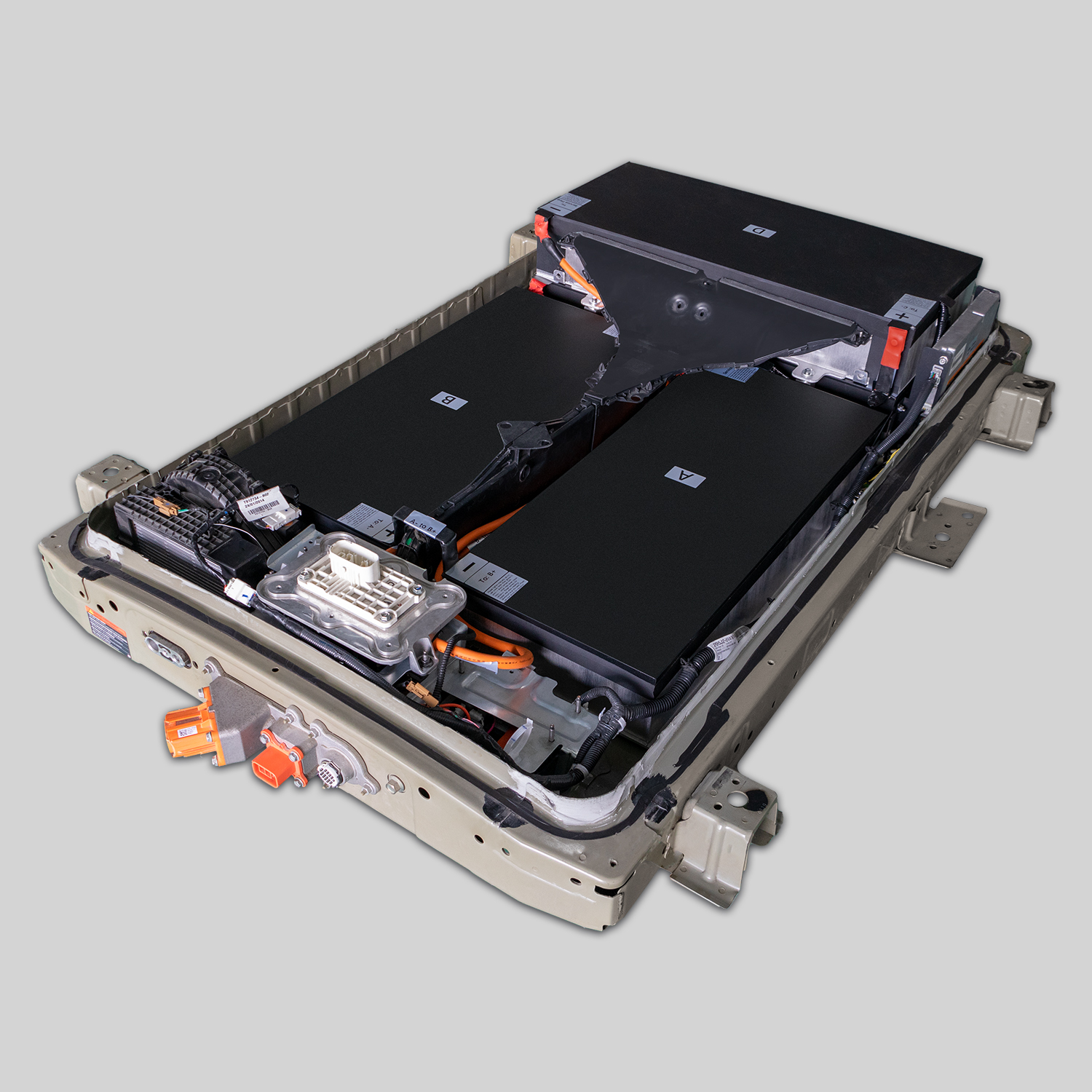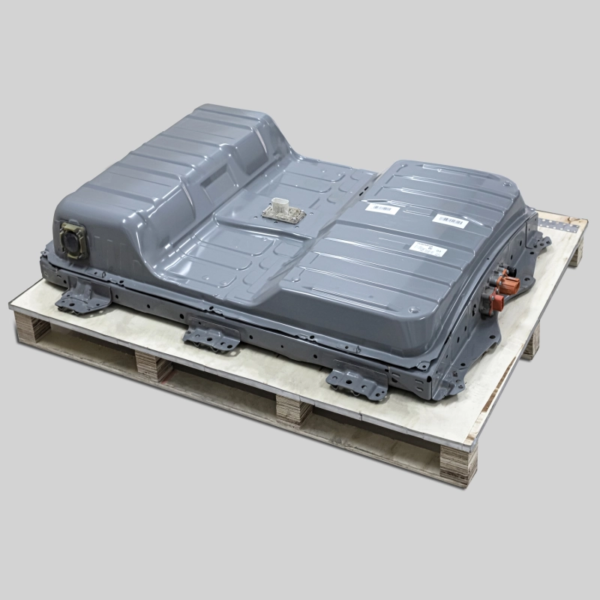
DIY Nissan EV Battery Pack vs Original OEM
Is replacing your Nissan Leaf or e-NV200 battery with an aftermarket solution actually better than paying the dealer price? If you own a Nissan EV, you are likely facing a tough decision. The original battery in your Leaf (ZE0, AZE0, ZE1) or e-NV200 is degrading, and the price quote from the official dealer is staggering—often exceeding $15,000 USD.
This is where the choice between DIY replacement and Original OEM becomes critical. While the dealer offers the “original” badge, specialized aftermarket manufacturers like CNS Battery offer a compelling alternative: brand-new, high-spec battery packs at less than half the price. This guide breaks down the true differences to help you save thousands without sacrificing range or safety.
The Sticker Shock: Why OEM Replacement Is Prohibitively Expensive
Let’s be honest: paying the original manufacturer (OEM) for a replacement battery is rarely a cost-effective solution for older EV models.
- The Markup Reality: Dealers sell you a complete “service part” which includes not just the cells, but also the heavy steel casing, wiring, Battery Management System (BMS), and labor markup. You are paying for the brand name and the dealership overhead.
- The Value Gap: As Mark T. from California discovered, paying $16,000 for a refurbished or reconditioned OEM unit—when a brand-new alternative costs less than half—simply doesn’t make financial sense for a car that is 8+ years old.
Real User Experience: “Replacing it with an original manufacturer battery would cost $16,000, which was ridiculous! After comparing options, I chose a 62kWh battery from CNS… which cost only $7,800, less than half the price of the original.” — Mark T., Nissan Leaf Owner.
The DIY Alternative: New Cells, Modern Tech, Half the Price
When we talk about a “DIY Nissan EV Battery Pack,” we aren’t referring to scavenging old laptop cells. We are talking about professionally manufactured, drop-in replacements built with brand-new, top-tier lithium cells (such as those from CATL).
Here is how a premium aftermarket solution stacks up against the OEM standard:
| Comparison Factor | Original OEM Replacement | Premium DIY/Aftermarket (e.g., CNS) |
|---|---|---|
| Cell Quality | Often refurbished/recycled cells from old traded-in packs. | Brand new, A-grade cells from top 10 global suppliers. |
| Price Range | $12,000 – $18,000 USD | $6,000 – $9,000 USD |
| Warranty | Typically limited or short (1 year/20k km). | 2 Years / 80,000 km (Unbeatable in the industry). |
| Technology | Same 5-10 year old tech as your original car. | Latest chemistry (e.g., higher density NMC). |
| Range Potential | Same as when the car was new (or less due to age). | Upgrade potential (e.g., 40kWh to 62kWh upgrade). |
Why “New” Beats “Original” for Older Nissan Leafs
Many Nissan Leaf owners hesitate, thinking “Original” means “Best.” However, the landscape of battery technology has changed dramatically since 2011-2018.
1. You Are Getting New Technology
OEM replacements are often “remanufactured.” This means the dealer takes a used pack, swaps a few modules, and sells it as “repaired.” In contrast, a custom DIY pack from a specialist is built brand new. You get the latest CATL or high-grade A-cells that are more thermally stable and have a longer cycle life than the decade-old chemistry in your original car.
2. The Upgrade Advantage
One of the biggest limitations of the early Nissan Leafs was range. With a DIY replacement, you aren’t stuck with the original specs.
- ZE0/AZE0 Owners: You can often upgrade from a 24kWh or 30kWh to a 40kWh or even 62kWh pack.
- ZE1 Owners: You can upgrade from 40kWh to 62kWh or 68kWh.
This means your “old” car gets modern range capabilities (up to 470km+), blowing the original OEM specs out of the water.
3. Plug-and-Play Design
The fear of complex wiring stops many DIYers. However, modern replacement packs are designed for drop-in installation. They maintain the same dimensions, the same connector types (Type 2), and the same voltage profiles. If you can change a tire, with the right guidance, you can often replace these packs.
Addressing the “Scary” Part: Safety and Installation
We understand the hesitation. “DIY” and “Lithium Battery” sound dangerous if done wrong. This is why choosing a reputable manufacturer is non-negotiable.
- BMS Compatibility: The Battery Management System (BMS) is the brain. Cheap knock-offs fail here, causing communication errors. CNS Battery units are designed to communicate seamlessly with the Nissan EVVC (Electric Vehicle Communication Controller), ensuring the dashboard displays accurate State of Charge (SOC).
- Real Support: You aren’t alone. As mentioned in user reviews, professional suppliers offer video call support and detailed step-by-step tutorials. If you get stuck wiring the CAN bus lines, an engineer is a Zoom call away to guide you.
The Verdict: Is DIY Right For You?
If you are looking at a $15,000 repair bill for a car worth $4,000, the answer is clear. Paying the OEM price is often throwing good money after bad, especially if they are installing recycled cells.
Choose the DIY/Aftermarket Route if:
- You want brand new cells with a longer lifespan.
- You want to upgrade your range (e.g., 40kWh to 62kWh).
- You want to save $7,000+ compared to the dealer.
- You want a 2-year warranty that actually covers performance degradation.
Choose OEM if:
- You prefer to pay a premium for the brand name and dealership convenience (and don’t mind potentially getting recycled cells).
- You do not want to deal with any installation process (though many repair shops now install aftermarket packs).
Frequently Asked Questions (FAQ)
Q1: Is it safe to install a DIY Nissan EV battery myself?
A: Yes, if you follow the safety protocols. All high-voltage work requires disconnecting the 12V battery first. While we recommend a certified technician for liability reasons, many owners successfully install these packs with basic tools (wrenches, screwdrivers) and the help of video tutorials. The packs are designed to be “Plug and Play,” minimizing the risk of short circuits.
Q2: Will an aftermarket battery void my car’s remaining warranty?
A: Generally, no. Because Nissan Leafs (ZE0, ZE1, e-NV200) are older models, most factory warranties have expired. Furthermore, reputable manufacturers like CNS Battery perform VIN compatibility checks to ensure the BMS programming matches your vehicle’s specific requirements, preventing communication errors that could theoretically affect other systems.
Q3: What is the warranty on a DIY replacement battery vs. OEM?
A: This is where aftermarket wins. Most OEM “remanufactured” units come with a standard 1-year or 20,000 km warranty. In contrast, CNS Battery offers an industry-leading 2 Years / 80,000 km warranty. This covers defects and guarantees that the battery will maintain at least 70% capacity during that period.
Q4: Can I really upgrade the kWh of my Nissan Leaf?
A: Absolutely. One of the major advantages of a custom DIY pack is flexibility. For example, if you have a 2014 Leaf ZE0 with a degraded 24kWh pack, you can often install a 62kWh or 68kWh unit. This isn’t just a replacement; it is a full restoration to modern EV standards, often doubling your range.
Ready to Revive Your Nissan EV?
Don’t let a dead battery kill your electric journey. You don’t need to pay the dealer price to get a reliable, long-range solution.
At CNS Battery, we specialize in brand-new, OEM-compatible battery packs for the Nissan Leaf (all generations) and e-NV200. We use only the highest grade A-cells and back them with a warranty that beats the manufacturers.
Get Your Free Custom Quote Today
Find out how much you can save by upgrading to a new DIY Nissan EV battery pack.
Contact Our Technical Experts Now