DIY Nissan e-NV200 Battery Fix: Everything You Need to Know
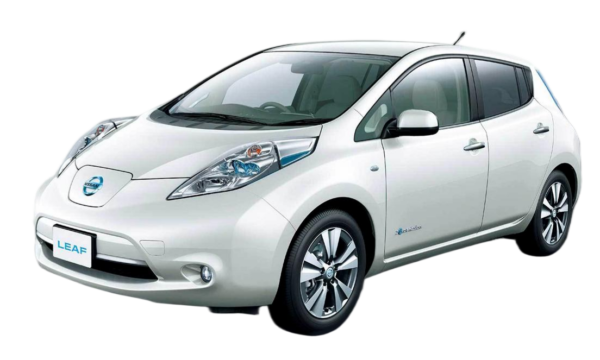
The Nissan e-NV200 is a reliable workhorse for delivery drivers and small businesses. However, like all electric vehicles, its Achilles’ heel is battery degradation. If your van’s range has plummeted or you’re facing a massive bill from a dealership for a replacement, you’re likely exploring your options. This guide is designed for the DIY enthusiast or savvy fleet owner looking to fix their Nissan e-NV200 battery pack themselves. We’ll walk you through the process, the costs involved, and why choosing the right aftermarket solution is critical for a successful DIY project.
Why DIY Your e-NV200 Battery Fix?
Before diving into the “how,” let’s address the “why.” There are two primary reasons why owners are turning to DIY battery fixes:
- Cost Savings: Dealership replacements can cost upwards of $12,000 to $16,000. A DIY approach, using a compatible aftermarket pack, can cut this cost by more than 50%.
- Availability: Finding a suitable replacement, especially for older models, can be difficult. The aftermarket offers more flexibility in terms of capacity and availability.
Understanding Your Options: Refurbished vs. New
When looking for a fix, you will encounter two main types of solutions: refurbished (second-hand) and brand-new OEM-compatible packs.
1. The Refurbished Route
Many try to save money by sourcing used modules from scrapped vehicles. However, this path is fraught with risks:
- Unpredictable Health: Used cells are already aged. You might get a few months or a few years, but there is no way to guarantee their health.
- Swelling and Failure: Old cells are prone to swelling, which can damage the Battery Management System (BMS) and cause sudden power failure.
- No Warranty: Most used parts come with no warranty or a very short one.
2. The New OEM-Compatible Route
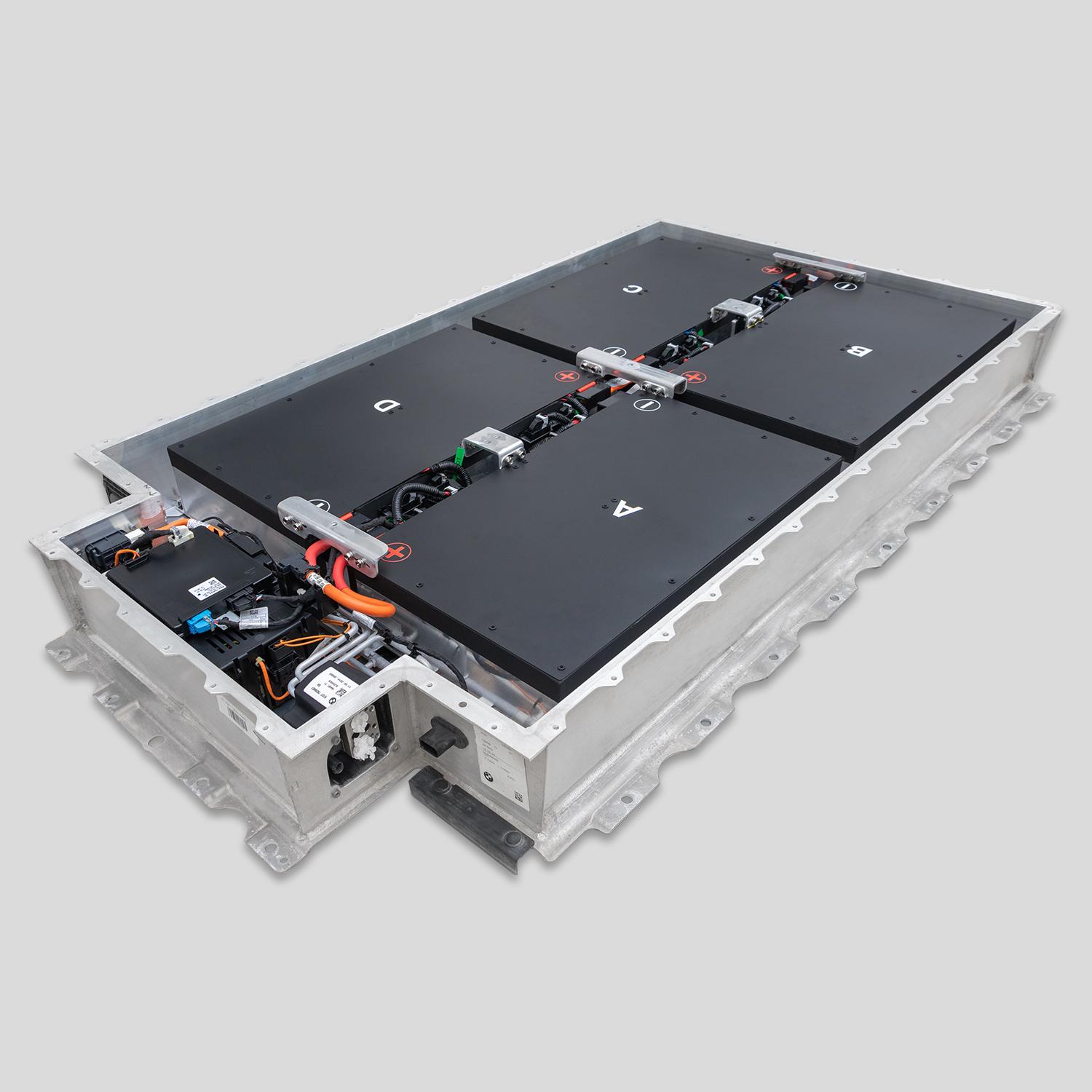
This is the recommended path for a permanent fix. Companies like CNS BATTERY specialize in manufacturing new lithium battery packs specifically designed to match the OEM (Original Equipment Manufacturer) standards of the Nissan e-NV200.
Why Choose a New Pack?
- Brand New Cells: Utilizing top-tier cells (such as CATL) ensures maximum energy density and lifespan.
- Perfect Fit: These packs are engineered to be plug-and-play, matching the original voltage, capacity, and physical dimensions.
- Long Warranty: A reputable manufacturer will offer a substantial warranty (e.g., 2 years or 80,000 km), providing peace of mind that a used pack cannot.
Step-by-Step: The DIY Installation Process
If you’ve decided to proceed with a DIY installation, here is a general overview of what to expect. Note: Always wear appropriate safety gear (insulated gloves) and ensure the vehicle is powered down before starting.
1. Preparation
- Gather Tools: You will typically need basic wrenches, screwdrivers, and insulated tools.
- Safety First: Disconnect the vehicle’s 12V battery to ensure no residual power is flowing.
2. Removal of the Old Pack
- Access: Depending on your model year, you may need to remove interior panels or the rear seats.
- Disconnect: Carefully disconnect the high-voltage cables and the signal connectors. Take photos of the wiring before disconnecting to ensure correct re-connection later.
- Unbolt: Remove the mounting brackets securing the battery to the chassis. The old pack is heavy, so ensure you have help or a proper hoist.
3. Installing the New Pack
- Placement: Position the new battery pack into the chassis.
- Reconnect: Attach the high-voltage cables and signal connectors. If you purchased from a reputable source, the connectors should be color-coded and match the original perfectly.
- Secure: Reattach the mounting brackets to secure the battery firmly.
4. Programming and Testing
- BMS Setup: This is the most critical step. Most new aftermarket packs require BMS (Battery Management System) programming to sync with your vehicle.
- Test: Reconnect the 12V battery. Start the vehicle and check for error codes. A full charge and discharge cycle is recommended to calibrate the new battery.
Cost Comparison: Dealership vs. DIY
To help you visualize the savings, here is a comparison of the costs involved.
| Cost Factor | Dealership Replacement | DIY (New OEM-Compatible) |
|---|---|---|
| Battery Cost | $12,000 – $16,000+ | $5,000 – $8,000 |
| Labor Cost | $800 – $1,500+ | $0 (Self-installed) |
| Total Estimated Cost | $13,500+ | $5,000 – $8,000 |
| Warranty | Standard Manufacturer Warranty | 2 Years / 80,000 km |
Common Pitfalls to Avoid
While the DIY route is rewarding, there are common mistakes to avoid:
- Skipping the VIN Check: Before purchasing, always provide your VIN to the supplier for a compatibility check. This ensures the pack will work with your specific model year and won’t void any remaining factory warranties.
- Improper BMS Setup: Do not skip the programming step. If the BMS is not programmed correctly, the vehicle may not recognize the battery, or it could display error codes.
- Ignoring Safety: Lithium batteries are dangerous if short-circuited. Always insulate your tools and wear protective gear.
Conclusion
Fixing your Nissan e-NV200 battery yourself is a viable and cost-effective solution that can extend the life of your vehicle significantly. By choosing a brand-new, OEM-compatible pack instead of a risky refurbished one, you ensure reliability and safety. With the right preparation and tools, you can save thousands of dollars and get your van back on the road with a “like-new” driving range.
For professional advice and to get a free quote on a high-quality replacement battery, contact our technical experts today.
[Contact Us for a Free Custom Quote]
Frequently Asked Questions (FAQ)
Q1: Is it safe to install an EV battery myself?
A: While it is technically possible, extreme caution is required. You must disconnect the 12V battery first and wear insulated gloves. If you are uncomfortable working with high-voltage systems, it is recommended to have a certified technician assist you, even if you supply the battery.
Q2: Will a new aftermarket battery void my car’s warranty?
A: Generally, a replacement battery purchased after the original warranty period will not affect other components of your car. However, it is always best to confirm with your supplier. Reputable manufacturers design their packs to be fully compatible without causing conflicts.
Q3: How long does the installation take?
A: For a DIYer with basic tools, the installation typically takes between 1 to 2 hours. This includes the time to remove the old pack, install the new one, and perform the initial setup.
Q4: What capacity options are available for the e-NV200?
A: The standard options usually include 40kWh and 50kWh lithium battery packs. Some manufacturers may offer customization for higher capacities.
Q5: Do I need special tools to program the new battery?
A: You typically do not need to purchase special tools. The manufacturer should provide programming instructions or support. In some cases, they may offer remote video guidance to walk you through the BMS setup process.
Contact Us
Ready to revive your Nissan e-NV200?
- Business Cooperation: info@cnsbattery.com
- Get a Free Quote: https://cnsbattery.com/ev-battery-home/ev-battery-contact/