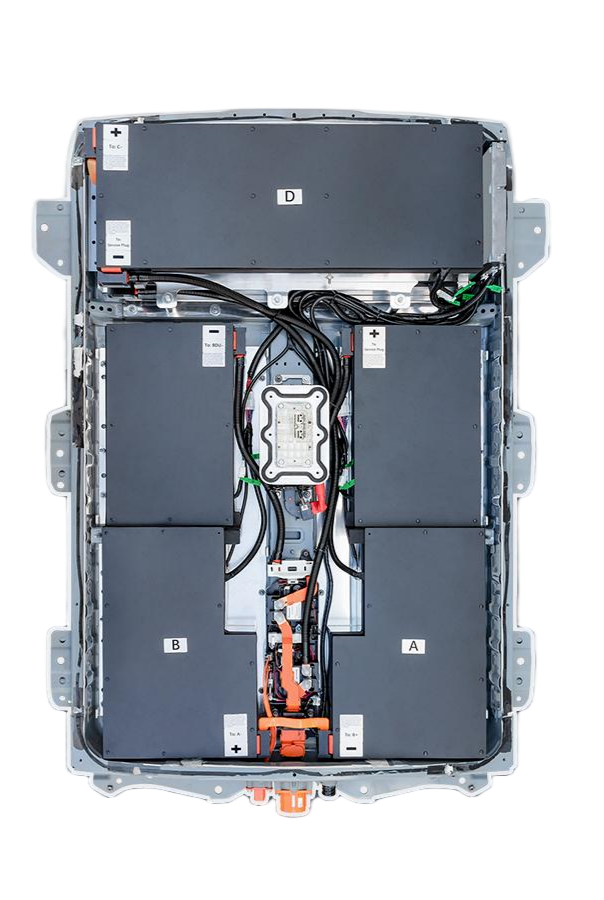
Here is the SEO-optimized article tailored for the Nissan Leaf AZE0 audience, designed to rank well and convert readers into customers.
🛠️ DIY New Nissan Leaf AZE0 Battery Installation: The Ultimate Guide
Is your Nissan Leaf AZE0 losing its range? If you own a 2018-2023 Nissan Leaf, you might be facing the reality of battery degradation. Replacing the battery is often the most cost-effective way to breathe new life into your vehicle, and thanks to modern aftermarket solutions, DIY Nissan Leaf battery replacement is easier than you think.
As an expert in electric vehicle powertrains, I have seen the industry evolve. While the original factory batteries were reliable, the high cost of replacement often makes them prohibitive. Today, savvy EV owners are turning to specialized manufacturers like CNS BATTERY to upgrade their Nissan Leaf AZE0 with new, high-capacity packs at a fraction of the OEM price.
This guide will walk you through the process of DIY New Nissan Leaf AZE0 Battery Installation, focusing on how to safely remove the old pack and install a new, high-performance replacement.
🤔 Why Upgrade Your Nissan Leaf AZE0 Battery?
Before we dive into the tools and torque specs, let’s address the “why.” The Nissan Leaf AZE0 (specifically the 40kWh and 62kWh variants) is a robust platform, but battery chemistry ages.
If you are considering a DIY Nissan Leaf battery replacement, you are likely looking at one of two scenarios:
- Degradation: Your original capacity has dropped significantly (e.g., from 40kWh to 30kWh usable), limiting your daily range.
- Upgrading: You want to swap a 40kWh pack for a 62kWh or even a 68kWh lithium battery pack to double your range.
The key advantage of choosing an aftermarket solution like CNS BATTERY is the value. You can save 50%+ compared to the original manufacturer, without sacrificing safety or performance. These packs utilize brand-new CATL (Contemporary Amperex Technology) cells, which are top-tier in the industry, ensuring you get a fresh start with zero “battery history.”
📦 Preparing for Your DIY Nissan Leaf Battery Installation
A successful DIY Nissan Leaf AZE0 battery installation starts long before you pick up a wrench. Preparation is critical for safety and efficiency.
1. Selecting the Right Pack
Not all aftermarket batteries are created equal. For the AZE0 chassis, you need a pack that matches the OEM dimensions and voltage. CNS BATTERY specializes in Nissan EV batteries, offering precise adaptations for the AZE0 model. You can choose between 40kWh, 50kWh, 62kWh, or 68kWh configurations depending on your range needs and budget.
2. Tools of the Trade
To complete this job safely, gather the following tools:
- Insulated Safety Gear: High-voltage gloves and safety glasses are non-negotiable.
- Lifting Equipment: A transmission jack or a dedicated EV battery lift is essential. The pack weighs approximately 300kg (660 lbs).
- Socket Set: You will need various metric sockets and extensions.
- Torque Wrench: Critical for re-tightening bolts to the correct specification (usually 40-50 Nm for chassis bolts, but refer to your specific manual).
- Diagnostic Tool: While the installation is plug-and-play, you may need a Nissan Consult scanner or a compatible aftermarket scanner to reset the BMS (Battery Management System) or clear error codes after installation.
⚡ Step-by-Step: DIY Nissan Leaf AZE0 Battery Replacement
Now, let’s break down the physical process. This guide assumes you have the vehicle safely lifted on jack stands and the new battery pack ready.
Step 1: Disconnect the High Voltage
Safety First: Before touching any bolts, disconnect the 12V negative terminal. Wait at least 10 minutes to allow the capacitors in the inverter to discharge. This is the most crucial step in any DIY Nissan Leaf battery replacement.
Step 2: Accessing the Pack
The Nissan Leaf AZE0 battery is located under the floor of the vehicle. You will need to:
- Remove the underbody covers.
- Disconnect the high-voltage (HV) cables from the front of the battery tray. Note: Take photos as you disconnect to ensure correct reconnection later.
- Disconnect the low-voltage (LV) communication harnesses.
Step 3: Lowering the Old Pack
Using your transmission jack:
- Position the jack securely under the center of the battery tray.
- Slowly lower the chassis bolts. There are typically 20+ bolts securing the tray to the car’s subframe.
- Carefully lower the old pack. Be mindful of the weight distribution as you lower it.
Step 4: Installing the New CNS Battery
This is where the “plug-and-play” design of quality aftermarket batteries shines.
- Position the new CNS Nissan Leaf 62kWh battery (or your chosen capacity) onto the jack.
- Lift it into place. The mounting points should align perfectly with the AZE0 chassis.
- Reinstall the chassis bolts. Crucially, use a torque wrench to tighten them to the manufacturer’s specification to avoid stripping the threads in the aluminum subframe.
Step 5: Reconnecting Cables
- Reconnect the HV cables and LV harnesses. Ensure the connectors are fully seated and locked.
- Reinstall the underbody shields.
🔄 Post-Installation: BMS Programming & Testing
Once the physical DIY Nissan Leaf AZE0 battery installation is complete, you aren’t quite finished. The car’s brain (the BMS) needs to recognize the new hardware.
BMS Reset & Programming:
Most modern replacement packs, including those from CNS, come with pre-programmed modules. However, your vehicle might still show a “Battery Management System Malfunction” light. This is normal.
- You may need to perform a “Hard Reset” by leaving the 12V battery disconnected for a longer period (30+ minutes).
- Alternatively, a quick scan with a diagnostic tool to clear the codes usually resolves this.
Initial Charge:
For the first cycle, it is highly recommended to charge the battery to 100%. This helps the BMS perform a full calibration, ensuring your range meter (Gid) is accurate.
📈 The CNS BATTERY Advantage for Nissan Leaf Owners
Why do thousands of Nissan Leaf owners trust CNS for their DIY Nissan Leaf battery replacement?
- Unbeatable Warranty: We back our confidence in quality with a 2-year / 80,000 km warranty. This far surpasses many standard industry offerings and reflects our commitment to zero-failure reliability.
- Expert Support: DIY doesn’t mean you are alone. Our technical team offers video call installation guidance. If you hit a snag during your DIY Nissan Leaf AZE0 battery installation, an expert is just a call away to guide you step-by-step.
- Cost Efficiency: By cutting out the dealership markup and focusing purely on R&D and manufacturing, we pass the savings directly to you. You get a brand-new, high-capacity pack for less than half the price of a new car.
Ready to revive your Nissan Leaf? Don’t let a dead battery end your EV journey. Get a Free Custom Quote for your Nissan Leaf AZE0 today and get back on the road with confidence.
Get Your Free Custom Quote Now
❓ Frequently Asked Questions (FAQ)
1. Is it safe to do a DIY Nissan Leaf battery replacement?
Yes, if you follow strict safety protocols. The absolute rule is to disconnect the 12V battery and wait 10 minutes before starting. The pack itself is encased, but the terminals carry high voltage. If you are not comfortable working with heavy machinery or high voltage, hire a professional.
2. Will an aftermarket battery void my car’s warranty?
Generally, no. The Magnuson-Moss Warranty Act protects consumers. However, the specific warranty on the battery component will be from the aftermarket manufacturer (CNS BATTERY), not Nissan. We provide a 2-year warranty, which is often longer than what Nissan offers on replacement parts.
3. How long does the installation take?
For a professional technician, it typically takes 1-2 hours. For a DIY user with the right tools and help, budget for 2-3 hours to ensure you do not rush and make a mistake.
4. What capacity should I choose for my Nissan Leaf AZE0?
If your current pack is 40kWh, upgrading to a 62kWh is the most popular choice. It offers a significant range boost (approx. 430km full charge) without requiring modifications to the car’s cooling or charging systems, as it fits perfectly within the AZE0 chassis specifications.