DIY New Nissan Leaf 30kWh Installation Guide: A Step-by-Step Walkthrough
If you are looking to breathe new life into your Nissan Leaf without breaking the bank, upgrading to a 30kWh lithium battery pack is a smart move. Whether you drive a standard Leaf or an e-NV200, replacing your old, degraded battery with a brand-new unit can restore your driving range and save you thousands compared to dealership prices.
At CNS BATTERY, we specialize in providing OEM-compatible Nissan Leaf batteries built with premium, brand-new cells. We understand that the thought of replacing a car battery can be daunting, but with the right preparation and this detailed guide, you can complete the installation safely and efficiently.
Before we dive into the steps, it is crucial to note that while a 30kWh battery offers excellent value and range restoration, we offer a full range of capacities, including 40kWh, 50kWh, and 62kWh lithium battery packs. If you are unsure which capacity is best for your specific Leaf model (ZE0, AZE0, or ZE1), our technical experts are ready to help you choose the perfect fit.
[Get Your Free Custom Quote Now]
1. Preparation: Tools and Safety
Safety is paramount when working with high-voltage systems. Before you begin the Nissan Leaf battery replacement, ensure you have the following:
- Protective Gear: High-voltage insulated gloves and safety glasses.
- Basic Tools: A set of wrenches, socket sets, a torque wrench, and a flathead screwdriver.
- Lifting Equipment: A transmission jack or a specialized EV battery lift (capable of holding at least 300kg).
- Cleaning Supplies: Terminal cleaner and anti-corrosion spray.
Safety First: Always disconnect the 12V auxiliary battery under the hood before touching any high-voltage components. Never work on the battery in wet conditions.
2. Removing the Old Battery Pack
The Nissan Leaf battery is located under the floor of the vehicle. To access it:
- Lift the Vehicle: Safely jack up your Leaf and secure it on jack stands. Remove the underbody covers.
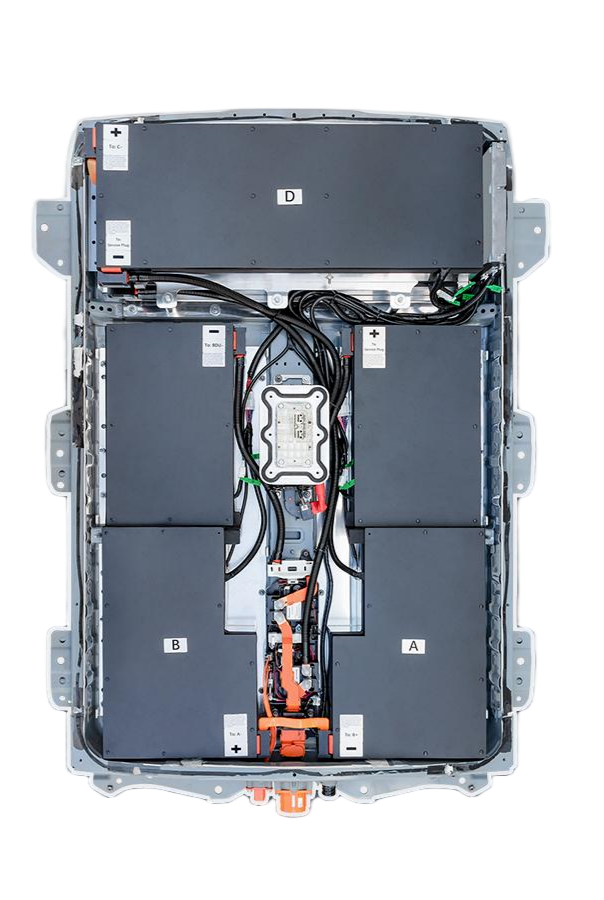
- Disconnect the Cables: Locate the high-voltage (HV) connector and the various signal connectors on the side of the battery case. Carefully disconnect them, noting their positions.
- Unbolt the Chassis: Using your socket set, remove the bolts securing the battery tray to the vehicle’s chassis. This usually involves multiple bolts along the perimeter.
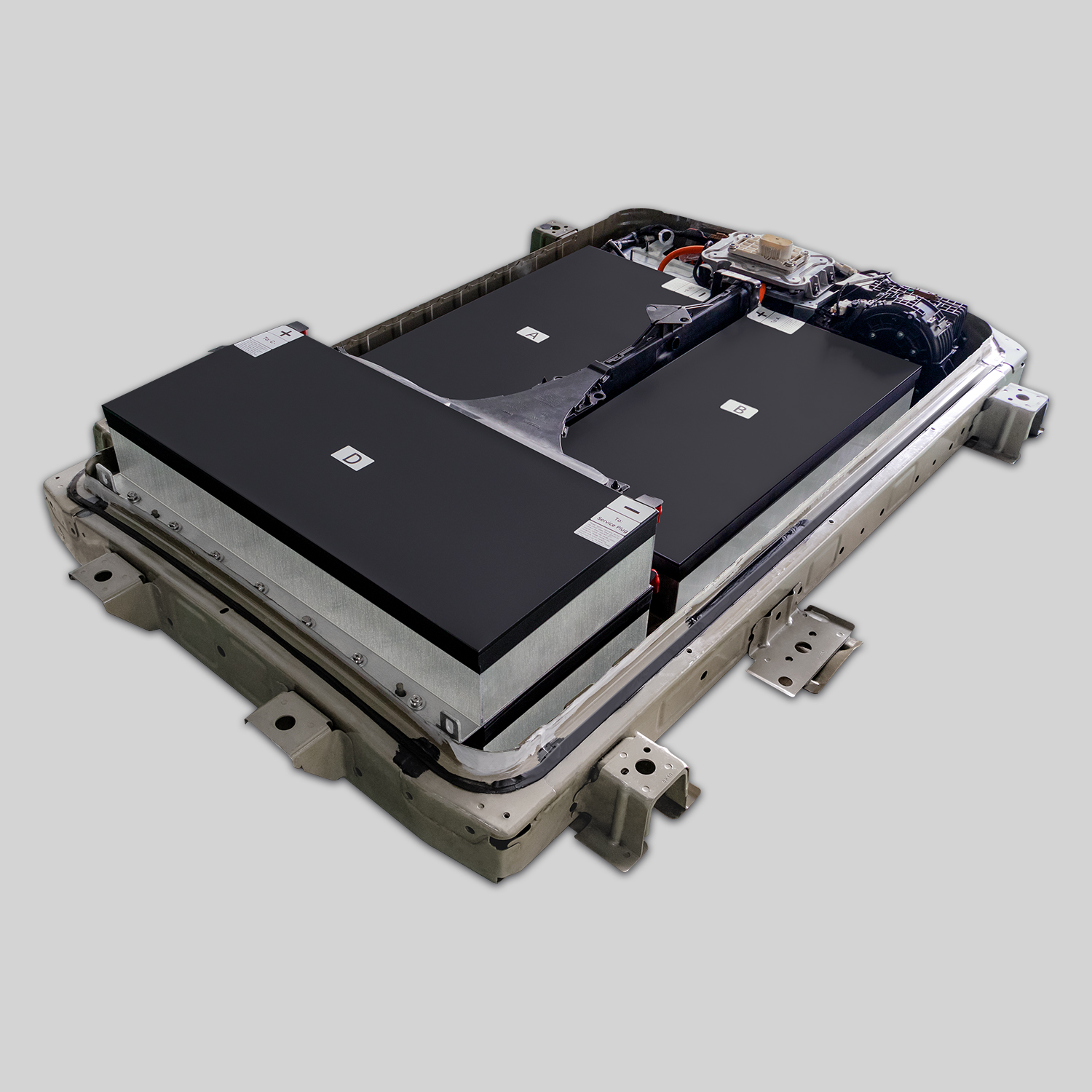
- Lift Out: With your lifting jack properly positioned under the center of the battery tray, slowly lift the 30kWh battery to relieve the pressure, then slide it out from underneath the vehicle.
3. Installing the New CNS Battery
Now that the old unit is out, it is time to install your new lithium battery pack.
- Inspect the New Pack: Before sliding it in, double-check that the new battery’s connectors and mounting points match the old unit. CNS batteries are designed to meet Original Factory Standards, so they should be a perfect drop-in replacement.
- Slide In: Carefully maneuver the new Nissan Leaf battery under the vehicle and onto the chassis mounts.
- Secure the Bolts: Reattach the battery tray to the chassis using the original bolts. We recommend using a torque wrench to tighten them to the manufacturer’s specifications (usually around 80-100 Nm, but consult your manual).
- Reconnect: Plug in the high-voltage cable and all the signal connectors. Ensure they are fully seated and locked.
4. System Check and Programming
Once the physical installation is complete, the final step is the electrical check.
- Reconnect 12V: Reconnect the auxiliary battery you disconnected earlier.
- Power On: Turn the car on (do not start driving yet). The dashboard should light up normally.
- BMS Programming: This is the most critical step. The Battery Management System (BMS) in your new 30kWh lithium battery needs to be programmed to communicate with your Leaf’s onboard computer. If you encounter any error codes or need assistance with the programming software, CNS BATTERY offers remote video guidance from our technical experts to ensure a successful handshake.
[Contact Our Technical Experts for Customization Help]
Why Choose a CNS BATTERY for Your Nissan Leaf?
When you decide to replace your Nissan Leaf battery, you are faced with options: refurbished packs, expensive OEM replacements, or a high-quality aftermarket solution. Here is why choosing a CNS lithium battery pack is the smartest choice for your wallet and your car’s performance:
- Brand-New Quality: Unlike “refurbished” batteries made from old, degraded cells, CNS uses brand-new cells from top-tier manufacturers like CATL. This means no risk of swelling or sudden power loss.
- Cost Efficiency: Replacing your battery with a CNS pack saves you over 50% compared to buying a new battery from a Nissan dealership, without sacrificing safety or performance.
- Comprehensive Warranty: We stand by our products with an industry-leading warranty of up to 2 years or 80,000 km. This far exceeds the coverage offered by most other aftermarket battery suppliers and gives you true peace of mind.
Frequently Asked Questions (FAQ)
Q1: Is a 30kWh battery compatible with my Nissan Leaf model?
A: The 30kWh capacity is often used as a reference point, but compatibility depends on your specific Leaf generation (ZE0, AZE0, or ZE1). Our batteries are designed to be OEM-compatible, meaning they fit the original mounting points and connectors. However, we recommend contacting our support team with your VIN number to confirm the exact specifications for your vehicle before ordering.
Q2: How long does the installation take?
A: For a professional mechanic, the installation of a Nissan Leaf battery typically takes about 1-2 hours. If you are a DIY enthusiast following our video tutorials, it may take a bit longer, especially if you are doing it for the first time. The process is straightforward: lift, unbolt, slide out, slide in, and bolt back.
Q3: Do I need special tools to install the battery?
A: You do not need specialized EV tools, but you do need the right equipment. A transmission jack or a heavy-duty engine hoist is essential to safely lift the 30kWh battery, which weighs several hundred pounds. Standard wrenches and socket sets are sufficient for removing the chassis bolts.
Q4: What if I have trouble programming the Battery Management System (BMS)?
A: Don’t worry. While the physical installation is plug-and-play, the software side can sometimes require specific programming steps. CNS BATTERY offers remote video guidance. Our engineers can walk you through the programming process step-by-step via Zoom or phone to ensure your new battery communicates perfectly with your car.
Ready to restore your range? Contact us today to find the perfect battery solution for your Nissan.
[Contact Us Now for Expert Advice]