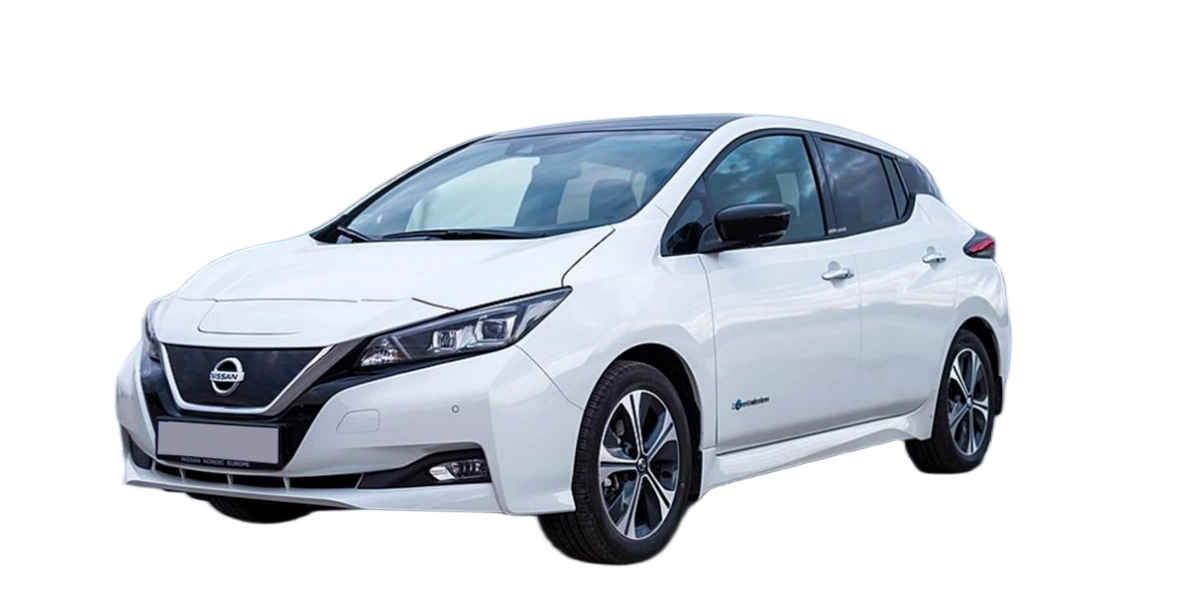
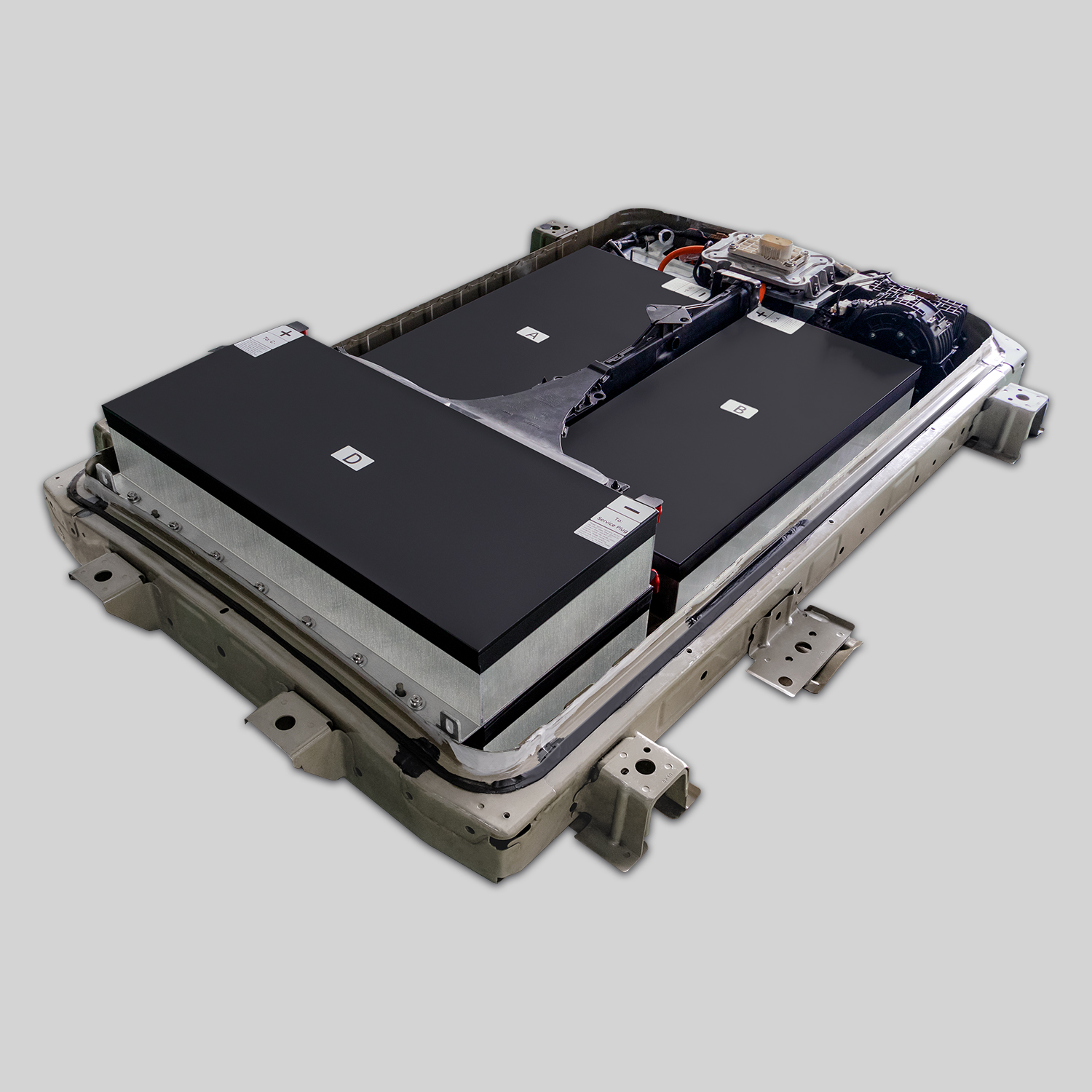
DIY Leaf AZE0 Battery Fix: Everything You Need to Know
Is your Nissan Leaf AZE0 (2018-2025) showing “Battery Capacity Reduced” or struggling to hold a charge? You’re not alone. As the AZE0 generation ages, owners are facing the dreaded battery degradation that limits range and usability. While dealerships often push for expensive new car purchases, the savvy EV community has discovered a superior path: the DIY battery fix.
This guide is your ultimate resource for replacing your aging AZE0 battery pack. Whether you’re looking to restore your range or upgrade to a higher capacity, we break down the process, costs, and the best solutions available today.
Why is the Nissan Leaf AZE0 Battery Failing?
The Nissan Leaf AZE0, produced from 2018 onwards, primarily uses Lithium-ion (Li-ion) chemistry. While reliable, these cells degrade over time due to chemical aging, heat cycles, and voltage stress.
Key Symptoms of a Failing AZE0 Battery:
- Reduced Range: Your 40kWh model might only show 12 bars and struggle to reach 100km.
- Charging Errors: The car may stop charging before reaching 100%, or the charger light might flash red.
- Power Loss: The vehicle might enter “Limp Mode,” restricting acceleration.
Unlike the older ZE0/ZE1 models, the AZE0 has a more complex Battery Management System (BMS), which means simply replacing modules often isn’t enough—you usually need a complete pack replacement or a full rebuild.
Option 1: The Full Pack Replacement (The “Plug-and-Play” Fix)
For most DIYers, replacing the entire battery pack is the safest and most effective method. This involves unbolting the old pack and dropping a new one in.
Why Choose a New Pack Over Refurbished?
Many sellers online offer “refurbished” or “repaired” packs using second-hand cells. Avoid these. Refurbished packs are prone to swelling, sudden death, and often lack a solid warranty.
- New vs. Refurbished: A brand-new pack built with fresh, high-quality cells (like those from CATL) offers a lifespan of 8-10 years, whereas refurbished packs often fail within 6-12 months.
- Warranty Security: A full replacement pack should come with a robust warranty (look for at least 2 years/80,000km).
The Cost Comparison
Let’s be honest about the numbers. Dealerships often quote astronomical figures for a new OEM battery, sometimes nearing the value of the car itself.
| Solution Type | Estimated Cost (USD) | Longevity | Risk Factor |
|---|---|---|---|
| Dealership OEM | $12,000 – $16,000 | High | Low (but expensive) |
| Refurbished/Used | $2,000 – $4,000 | Low | High (Swelling risk) |
| Premium DIY Pack | $6,000 – $8,500 | High | Low |
A premium aftermarket pack offers the best value, saving you thousands compared to the dealer while offering reliability that beats refurbished units.
Option 2: The Module Swap (Advanced DIY)
If you are mechanically inclined and want to save on labor, swapping individual modules is an option. However, this is not recommended for the AZE0 unless you have professional BMS programming tools.
- The Challenge: The AZE0 BMS is locked. Simply putting in new modules won’t make the car recognize them. You need to either:
- Clone the BMS: Transfer the data from your old BMS to the new one (requires specialized hardware).
- Full Rebuild: Replace the modules and get the pack professionally reprogrammed.
- Safety First: Lithium-ion is dangerous. If you pierce a cell or create a short circuit during disassembly, it can result in fire. Wear insulated gloves and use plastic pry tools.
🚀 Upgrade Your Range: The “Leaf Plus” Conversion
Here is where the DIY route truly shines. If you own a standard 40kWh AZE0 Leaf, you have the option to upgrade to a 62kWh capacity during your repair.
Is it possible? Yes. The physical dimensions of the 40kWh and 62kWh packs are nearly identical.
What’s the benefit? You transform your car from a city commuter (120km range) into a highway-capable EV (350km+ range).
Important Note: This is a “hard mod.” It requires physical modification of the battery tray and, crucially, a compatible Battery Management System (BMS) that can handle the higher voltage and capacity. You cannot simply drop a 62kWh pack into a 40kWh car without BMS compatibility.
Your Step-by-Step DIY Installation Guide
If you’ve decided to proceed with a DIY fix, follow these general steps. Note: Specifics vary by model year.
Tools You Will Need:
- Socket set (10mm, 14mm)
- Torque wrench
- Insulated gloves
- Jack and axle stands
- OBD2 scanner (for resetting errors)
The Process:
- Disconnect: Always start by disconnecting the 12V battery to kill all power.
- Drain Coolant: The AZE0 battery has a liquid cooling system. You must drain the coolant before disconnecting the thermal lines.
- Unbolt: Remove the underbody shield and unbolt the battery from the chassis (approx. 30 bolts).
- Disconnect: Unplug the high-voltage connectors and low-voltage signal cables.
- Swap: Lift out the old pack and lower in the new one.
- Reconnect & Prime: Reconnect all cables, refill the coolant, and prime the system.
Pro Tip: Watch the installation videos provided by your battery supplier. A reputable manufacturer will provide specific video tutorials for the AZE0 model to guide you through the coolant lines and connector placements.
Choosing the Right Supplier for Your Project
Not all aftermarket batteries are created equal. When searching for a “Nissan Leaf AZE0 battery replacement,” you must vet the supplier rigorously.
What to Look For:
- Cell Quality: The battery should use brand-new cells from top-tier manufacturers like CATL, LG, or Samsung. Avoid suppliers who cannot guarantee new cells.
- Warranty: A minimum of 2 years / 80,000 km is standard for a quality product. If they only offer 6 months, they don’t stand behind their build quality.
- BMS Compatibility: Ensure the BMS is pre-programmed for your specific Leaf model (AZE0).
- Customer Support: Can they provide video call support if you get stuck during installation?
Frequently Asked Questions (FAQ)
Q1: Can I install a new battery myself, or do I need a mechanic?
A: If you are comfortable working under a car and have basic mechanical skills, it is possible. The AZE0 installation typically takes 1-2 hours for a professional, so expect 3-4 hours for a careful DIYer. However, if you are uncomfortable with the high-voltage system or coolant lines, hire a professional to avoid voiding the warranty or causing damage.
Q2: How much range will I get with a new 40kWh pack?
A: A brand-new 40kWh pack in an AZE0 Leaf should restore you to approximately 240km (150 miles) of real-world range. This is a significant improvement over a degraded pack that might only show 80-100km.
Q3: Is the shipping safe? How long does it take?
A: Lithium batteries are classified as dangerous goods. Reputable suppliers use specialized carriers (like DHL, FedEx, or sea freight) and pack the battery in fumigation-free wooden crates to prevent damage. Shipping times vary; air freight is faster (1-2 weeks) but expensive, while sea freight can take 4-8 weeks but is more economical.
Q4: Will this fix my “Reduced Battery Capacity” error?
A: Yes. This error is usually caused by degraded cells or faulty modules. Replacing the entire pack with a new unit will reset the capacity and eliminate the error code.
Ready to Fix Your Leaf?
Don’t let a bad battery kill your Nissan Leaf AZE0. With the right information and a high-quality replacement pack, you can breathe new life into your EV for a fraction of the cost of a new car.
If you need help selecting the right battery model or have specific questions about your VIN compatibility, our technical experts are here to help.