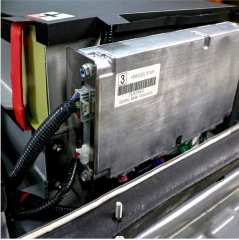
Here is the SEO-optimized article tailored for Nissan Leaf and e-NV200 owners, designed to rank well on Google while providing genuine value to help you make an informed decision.
⚡ Nissan Leaf Battery Replacement: OEM vs. Aftermarket (2026 Guide)
Is your Nissan Leaf’s range dropping below 100km? You’re not alone. As the most popular electric vehicle (EV) on the road ages, thousands of owners face the dreaded “battery degradation” warning. The question isn’t if you should replace it, but how you should replace it.
The market presents two starkly different paths: paying the premium for the Original Equipment Manufacturer (OEM) or opting for a high-quality Aftermarket solution. As an EV battery specialist with over a decade of R&D experience, I’m here to break down the cold, hard facts about these options so you can revive your Leaf without breaking the bank.
🏭 The OEM Battery: Brand New, But at What Cost?
When Nissan (or a franchised dealer) sells you a replacement battery, you are buying the exact same unit that came in the car when it was new.
✅ The Pros
- Guaranteed Fit: It’s designed by the same engineers who built your car. The software integration is seamless, and there are no compatibility hiccups.
- Warranty Security: You get the backing of a major automotive corporation.
❌ The Cons
- The Price Tag: This is the biggest hurdle. An OEM replacement can cost upwards of $16,000 USD (or €12,000+ in Europe).
- Same Technology: You are paying top dollar for a battery pack designed in 2010. You aren’t getting any of the modern advancements in energy density or thermal management that have occurred in the last decade.
Expert Insight: For most private owners, paying OEM prices is rarely a financially sound decision. It often exceeds 60% of the car’s current market value, making the vehicle a “financial write-off” even after the repair.
🔋 The Aftermarket Alternative: Smart Tech for Savvy Drivers
The aftermarket isn’t what it used to be. It has evolved from “cheap knock-offs” to “high-tech engineering.” Companies like CNS BATTERY specialize in reverse-engineering the OEM requirements but building the packs with modern, superior components.
✅ The Modern Advantage
- Cost Efficiency: You can save 50% or more compared to OEM prices. Instead of $16,000, you might pay around $7,800 for a superior product.
- Technology Upgrade: Many aftermarket manufacturers use brand-new, top-tier cells from manufacturers like CATL. These cells are often safer, denser, and more efficient than the original cells used in older Leafs.
- Capacity Boost: This is where it gets exciting. Aftermarket doesn’t just replace; it upgrades. You can often swap your degraded 24kWh or 30kWh pack for a 62kWh or even 68kWh unit, effectively turning your old Leaf into a long-range EV.
🛠️ The Reality Check
- Compatibility Work: It requires a specialist who understands the nuances of EV battery management systems (BMS). The hardware fits, but the software often needs a professional touch to “marry” the new pack to your car.
⚖️ Head-to-Head: OEM vs. Aftermarket
To make this decision crystal clear, let’s compare the two options side-by-side.
| Feature | OEM Replacement | Premium Aftermarket (e.g., CNS) |
|---|---|---|
| Price | High ($12k – $16k+) | Affordable (~50% less than OEM) |
| Battery Cells | Original (Older Tech) | New CATL/LG (Latest Tech) |
| Warranty | Standard Manufacturer Terms | 2 Years / 80,000km (Often Better) |
| Capacity Options | Fixed (e.g., 40kWh) | Customizable (40kWh to 68kWh+) |
| Best For | Fleet owners needing strict compliance | Private owners & DIYers |
💡 Why Choose an Aftermarket Upgrade?
Based on our experience servicing thousands of Leafs, here is why the aftermarket route is usually the superior choice:
1. You Get New Technology
OEM batteries are static. The pack installed in a 2011 Leaf is fundamentally the same as the one installed in a 2018 Leaf. Aftermarket manufacturers use brand-new Lithium-ion cells. These aren’t recycled cells from another dead car; they are fresh from the factory, offering a lifespan that far exceeds refurbished options.
2. The “Frankenstein” Fix is Obsolete
Gone are the days of cobbling together used modules. Modern aftermarket solutions are OEM-compatible. They are engineered to the same mechanical and electrical standards. This means the connectors match, the dimensions fit, and the voltage output is identical—without the premium price.
3. Lifetime Technical Support
Unlike an OEM dealer who sells you the battery and waves goodbye, specialized aftermarket companies live and breathe this technology. We provide:
- Free compatibility checks (using your VIN).
- Step-by-step installation videos.
- Remote video guidance for BMS programming.
🛠️ What to Expect During Installation
Whether you choose OEM or Aftermarket, the physical installation process is similar. However, the aftermarket offers flexibility.
- The Check: Before you buy, a good supplier will ask for your VIN to ensure the Battery Management System (BMS) software is compatible.
- The Swap: Physically removing the old pack takes about 1-2 hours for a professional. It’s a “drop-in” replacement; no welding or cutting is required.
- The Programming: This is the critical step. The new battery needs to “talk” to your car’s brain. While OEM batteries are plug-and-play, modern aftermarket batteries often require a simple software handshake, which our technical team can guide you through via video call.
📝 Conclusion: Make the Smart Choice
Replacing your Nissan Leaf battery shouldn’t feel like buying a new car. The OEM route is safe but prohibitively expensive and technologically stagnant. The modern Aftermarket route offers a smarter path: Brand-new, high-capacity cells at half the price.
If you are tired of range anxiety and sticker shock, it’s time to consider a professional aftermarket upgrade. You aren’t just fixing your car; you are giving it a second life with better technology.
Ready to get your Leaf back on the road?
👉 Get a Free Custom Quote for Your Nissan Leaf or e-NV200 Battery
❓ Frequently Asked Questions (FAQ)
Q: Is an aftermarket battery safe?
A: Yes, when sourced from a reputable manufacturer. We use cells from tier-1 suppliers like CATL, which undergo the same rigorous safety testing (UN38.3, etc.) as OEM cells. In fact, because they are brand new, they are often safer than aging OEM packs that have endured thermal stress for years.
Q: Will an aftermarket battery void my car’s remaining warranty?
A: Generally, no. Most Nissan Leafs requiring a battery replacement are out of the standard manufacturer warranty period. However, it’s always wise to check your specific policy. A professionally installed aftermarket battery that meets OEM specifications should not cause issues with other vehicle components.
Q: How long does an aftermarket battery last?
A: With proper care, a brand-new aftermarket lithium-ion pack can last 8-10 years or more. We back our packs with a 2-year / 80,000km warranty, which is often longer than what is offered for refurbished OEM packs.
Q: Can I install it myself?
A: If you are mechanically inclined and have experience with high-voltage systems, yes. The physical installation is straightforward (bolts and connectors). However, the BMS programming usually requires specialized knowledge or remote assistance from our technicians to ensure the battery communicates correctly with your dashboard.